I’ve been obsessed with plants since I was a kid, sneaking seeds from my mom’s garden to grow in old tin cans by the back porch. There’s something about watching something small turn into something alive that never gets old. This site is where I share the lessons I’ve learned—from the triumphs (that first tomato!) to the disasters (the time the squash vines took over the whole yard). I aim to make gardening approachable, whether you’re a beginner with a windowsill or a veteran with a full plot.
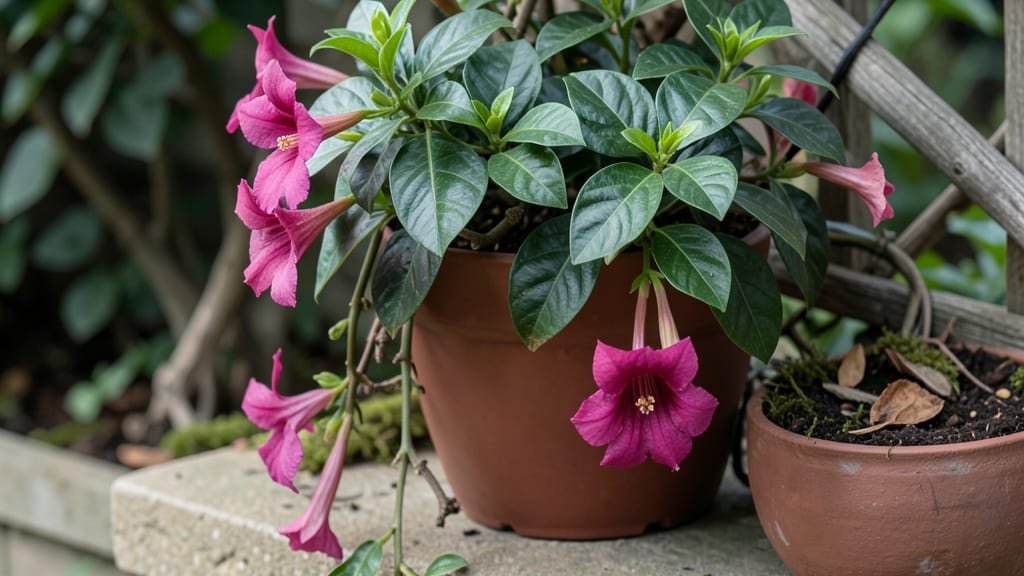
💥 Quick Answer Mandevilla behaves as a perennial only in USDA Zones 9-11, where it survives year-round as a frost-sensitive evergreen. In colder regions, it dies back to the ground when temperatures fall below 30°F…
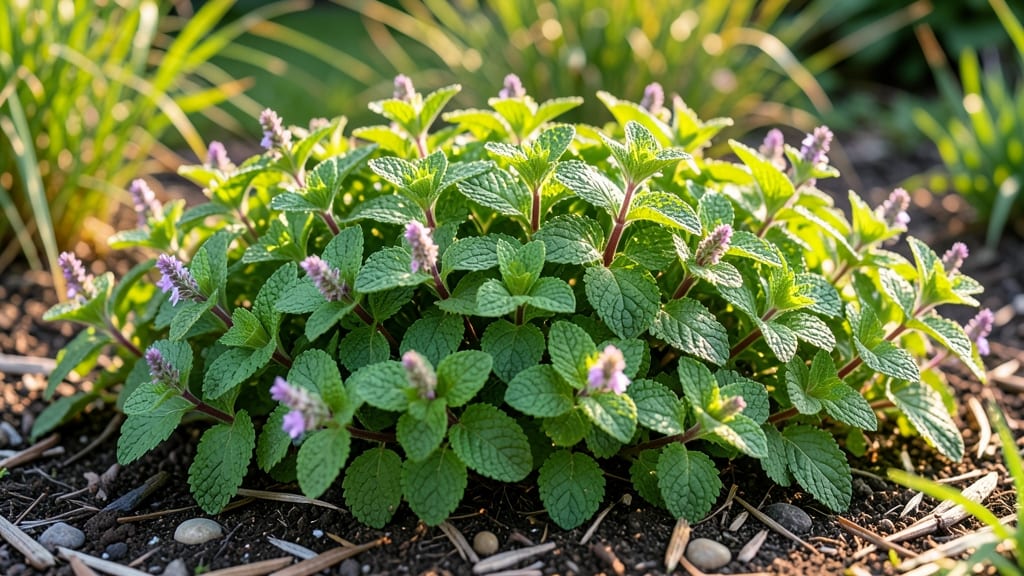
💥 Quick Answer Mint is a perennial plant that survives winter by dying back above ground but regrows from its extensive underground root system each spring, thriving in cold climates from USDA zones 3 through 11. Its…
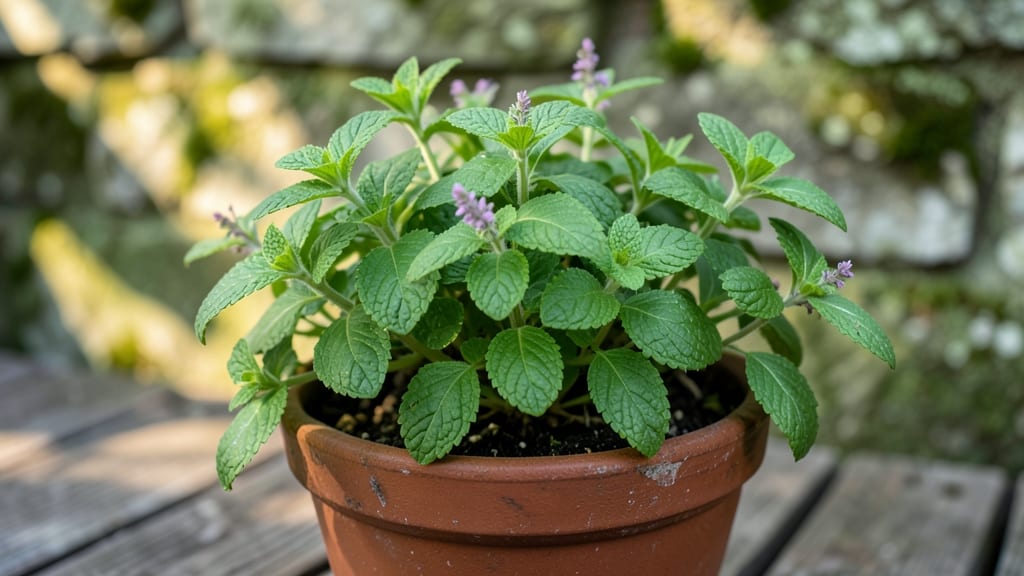
💥 Quick Answer Mojito mint behaves as a perennial in warm USDA zones 9-11 but dies back annually in colder climates, often returning from its roots when given winter protection or replanting. Its survival hinges on soil…
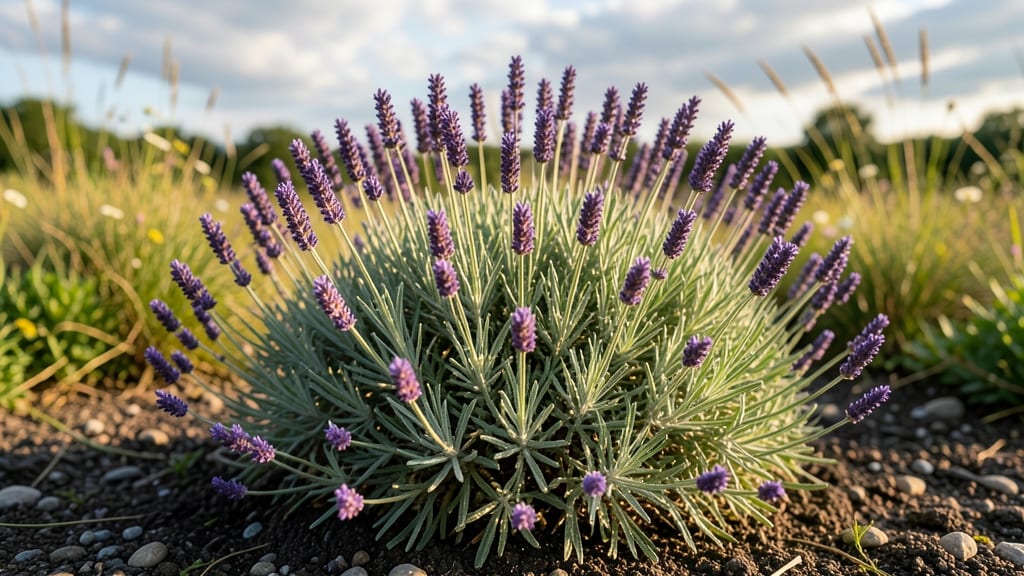
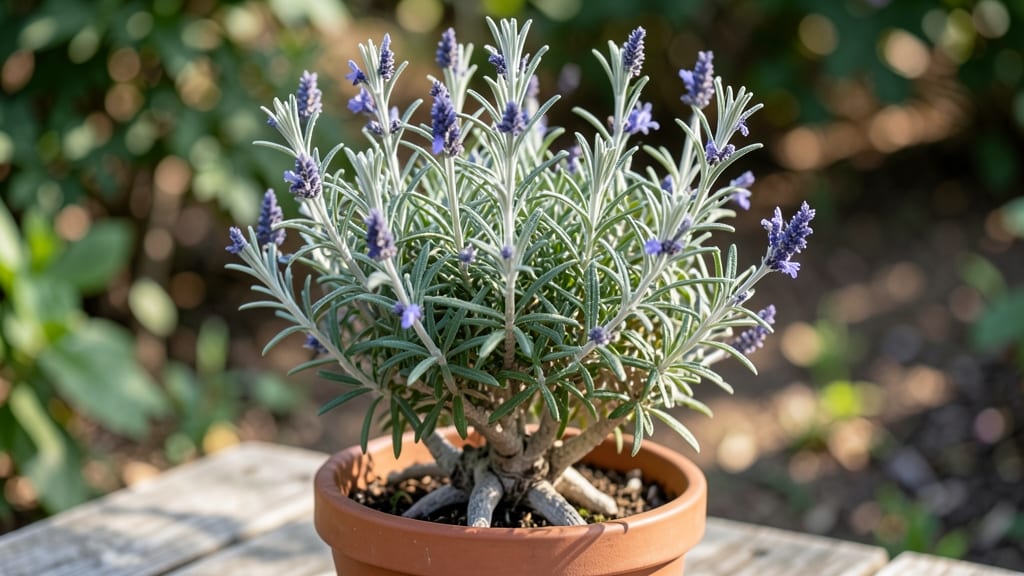
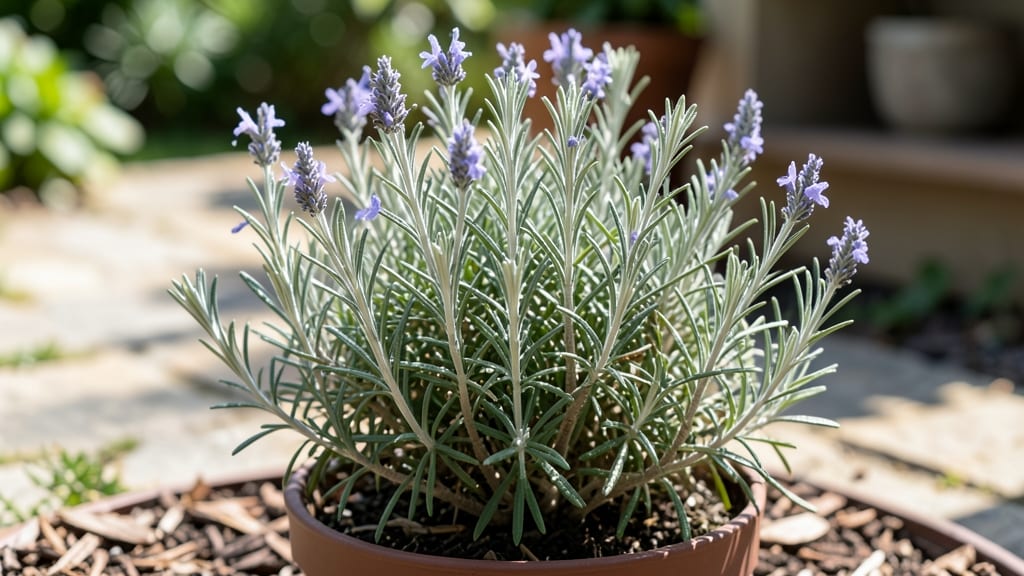
💥 Quick Answer Munstead lavender is indeed a perennial plant that returns reliably each year, surviving winter dormancy through its deep root system while its above-ground growth naturally dies back until spring. This…
💥 Quick Answer Oregano is a perennial herb that thrives as a self-replenishing plant in gardens, returning stronger each year with proper care and USDA zones 5-10 suitability. Its woody stems and deep roots allow it to…
💥 Quick Answer Parsley isn't a true perennial—it's a biennial herb that typically lives for two years, though it can regrow from its root system for 2-3 years in mild climates before eventually bolting. Cold-hardy…
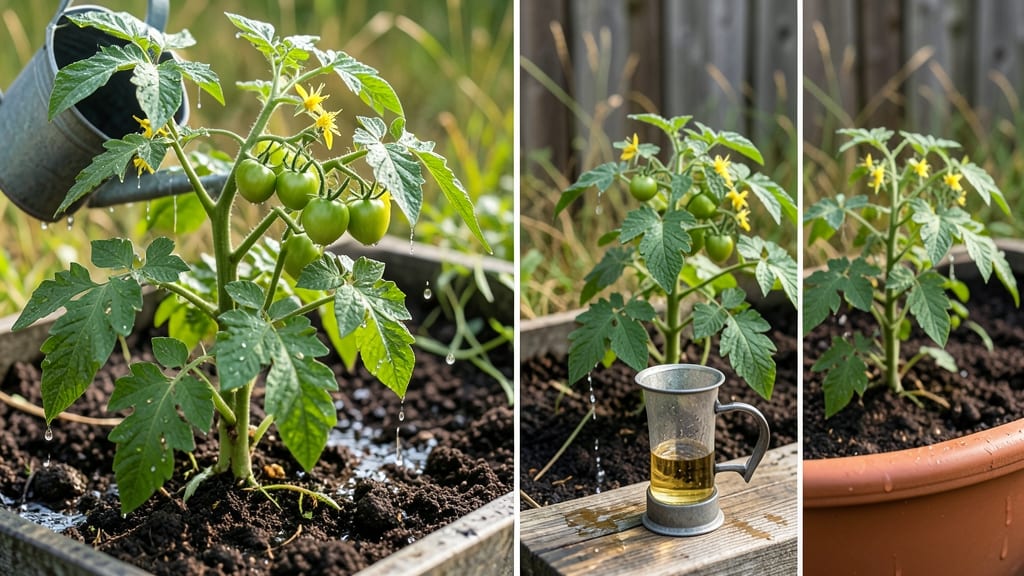
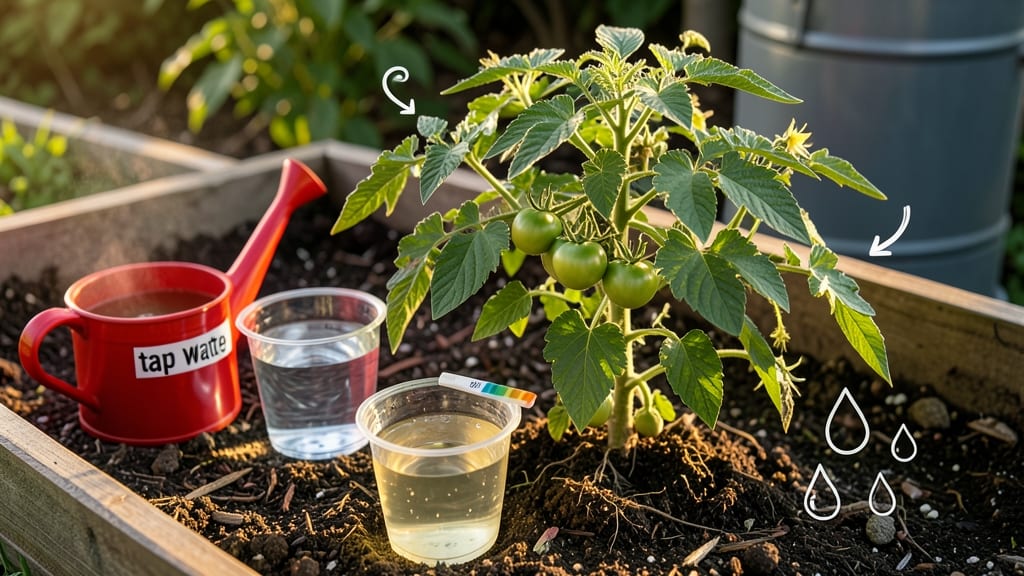
💥 Quick Answer Rain water is often better for plants because it lacks the chlorine, fluoride, and chemical additives found in tap water, while naturally containing trace minerals like nitrogen and potassium that support…
💥 Quick Answer Rainwater is often better for plants than tap water because it lacks chlorine, fluoride, and excess minerals like chlorine and sodium that can harm root systems and soil structure over time. However, its…
💥 Quick Answer Rosemary is a perennial in warm climates but acts as an annual in frost-prone zones, dying back to the ground each winter before regrowing from its hardy root system when temperatures rise again. Its…
💥 Quick Answer Rosemary herb is a perennial in USDA hardiness zones 8–11, thriving year-round in mild climates. In colder zones, it dies back but regrows from roots if protected or replanted annually. Pruning and winter…