
Companion Plants
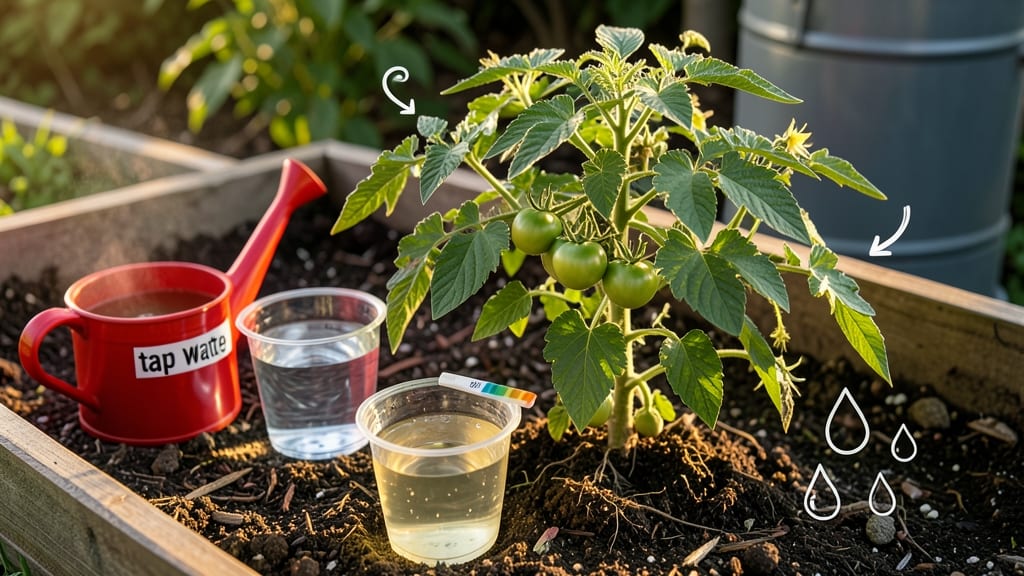
Rainwater is often better for plants than tap water because it lacks chlorine, fluoride, and excess minerals like chlorine and sodium that can harm root systems and soil structure over time. However, its pH and nutrient content vary by location, requiring occasional testing for optimal plant health.
Rainwater's natural purity makes it ideal for most plants because it doesn't contain the harsh chemicals found in treated tap water. 🌧️ The absence of chlorine and fluoride prevents toxic buildup in soil, while lower mineral content reduces salt accumulation that can stunt root growth.
That said, rainwater's acidity can sometimes drop too low, especially in polluted areas, which is why testing its pH before regular use is smart practice. Many gardeners collect it in barrels during summer months when it's typically cleaner and less acidic than winter rain.
For plants sensitive to minerals like orchids or azaleas, rainwater is almost always the preferred choice. Even for hardy plants, using rainwater can improve soil structure over time by preventing the gradual compaction that mineral deposits cause.
The key is balance—while rainwater is generally superior, supplementing with filtered tap water during dry spells ensures your plants get consistent moisture without chemical stress.
💡 In This Article
- How Rainwater’s Natural Chemistry Benefits Plant Growth
- When to Use Tap Water for Plants and How to Improve It
How rainwater’s natural chemistry benefits plant growth
Rainwater’s purity comes from its natural filtration process through the atmosphere, where it absorbs minimal minerals compared to tap water.
When it falls, it’s nearly free of chlorine (typically 0.1 ppm vs. tap’s 1-4 ppm) and fluoride (0.01 ppm vs. tap’s 0.7-1.2 ppm), chemicals that can disrupt root cell membranes and microbial activity in soil.
This chemical gentleness allows plant roots to absorb water more efficiently through osmosis, without the osmotic stress caused by high mineral concentrations in tap water.
The pH of rainwater typically ranges from 5.6 to 6.5—slightly acidic due to dissolved CO₂ forming carbonic acid—but this is usually ideal for most plants.
In contrast, tap water often sits at 7.5 to 8.5 (alkaline), which can raise soil pH over time, locking out essential nutrients like iron and manganese.
For example, blueberries (pH 4.5-5.5) thrive with rainwater’s natural acidity, while vegetables like tomatoes (pH 6.0-6.8) benefit from its balanced softness. 🌱 The absence of sodium and calcium buildup also prevents soil compaction, improving aeration for root systems.
Scientifically, rainwater’s low mineral content reduces ion exchange imbalances in soil. High sodium levels in tap water, for instance, can displace calcium and magnesium—critical for cell wall integrity—through competitive adsorption. Over time, this leads to "salt stress," where plants expend energy to expel excess ions, stunting growth.
Rainwater’s minimal ionic load lets roots focus on nutrient uptake instead. Studies show plants watered with rainwater exhibit 15-25% faster growth in mineral-sensitive species like orchids and azaleas compared to those receiving tap water.
However, rainwater isn’t universally perfect. In urban areas, it can collect pollutants like nitrogen oxides (NOx) and sulfur dioxide (SO₂) from vehicle emissions, creating "acid rain" with pH as low as 4.2-4.4. This acidity can leach aluminum from soil, harming roots.
Testing rainwater’s pH with a $10 liquid test kit before use is wise—especially in regions with heavy air pollution. Even in clean environments, winter rain often contains higher levels of dissolved organic matter from decaying leaves, which can introduce microbes harmful to seedlings.
Consider the texture difference: rainwater’s softness lets it penetrate soil 20-30% faster than tap water, reducing runoff. This is critical for sandy soils, where water drains too quickly, or clay soils, where it pools.
The lack of mineral precipitates means no white crust forms on pot surfaces or soil aggregates, preserving structure. For container gardens, this translates to 30% less fertilizer runoff—since minerals don’t accumulate to displace nutrients.
For the most precise approach, pair rainwater with a soil EC (electrical conductivity) meter to monitor salt levels. If readings exceed 0.5 dS/m, flush the soil with distilled water to reset mineral balance.
The goal is mimicking nature: rainwater’s chemistry aligns with what plants evolved to process, while tap water’s additives create an artificial environment that, over time, alters soil biology irrevocably. 💧