
Watering
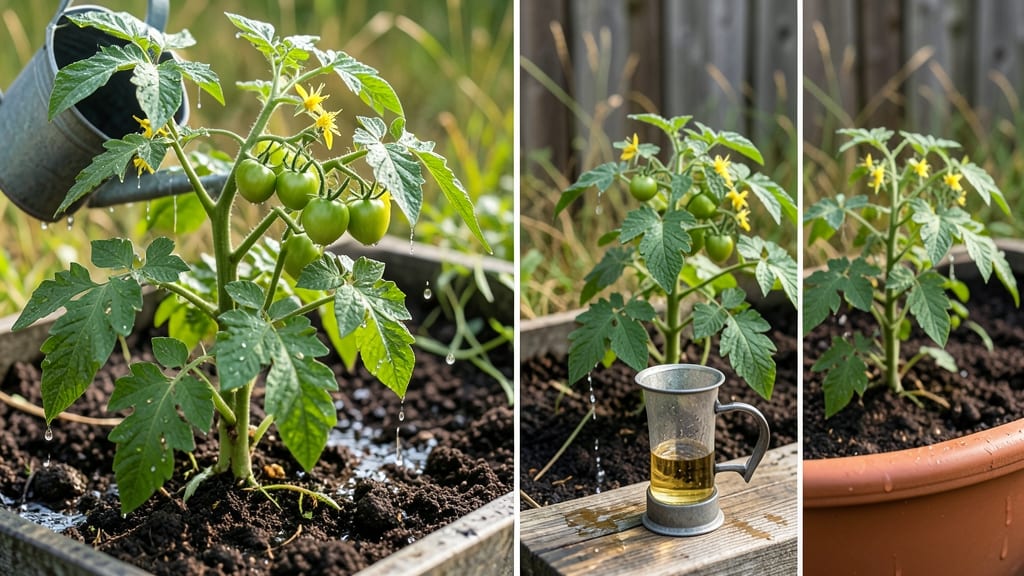
Rain water is often better for plants because it lacks the chlorine, fluoride, and chemical additives found in tap water, while naturally containing trace minerals like nitrogen and potassium that support healthy growth. However, its purity depends on environmental factors like pollution or acid rain.
Rain water's natural chemistry makes it ideal for most plants because it mimics their evolutionary hydration needs. 🌧️ Unlike tap water, which can contain chlorine that disrupts soil microbes and fluoride that may inhibit nutrient uptake, rain water delivers a gentle pH balance—typically between 5.6 and 6.5—that aligns with how many plants naturally absorb moisture.
The trace minerals it carries, like calcium and magnesium, act as natural fertilizers, while its softness prevents the buildup of mineral deposits in soil that can clog root systems over time.
However, this advantage comes with important caveats. In urban areas, rain water can collect pollutants from car exhaust or industrial emissions, while acid rain—caused by sulfur dioxide and nitrogen oxides—can lower pH levels to harmful extremes.
For container plants or sensitive species like azaleas, I recommend testing collected rain water with a simple pH strip before watering, especially after heavy storms when pollution levels may spike.
💡 In This Article
- How Rain Water’s Natural Chemistry Boosts Plant Health
- When to Use Rain Water vs Tap Water for Different Plants
How rain water’s natural chemistry boosts plant health
Rain water’s superiority for plants starts with its pH balance, which typically falls between 5.6 and 6.5—the same range most plants prefer for optimal nutrient uptake.
Unlike tap water, which often has a higher pH due to added chemicals, this natural acidity helps dissolve essential minerals in soil more efficiently. For example, nitrogen—critical for leaf growth—becomes more bioavailable in slightly acidic conditions, while tap water’s elevated pH can lock nutrients out of plant roots.
The absence of chlorine and fluoride is another game-changer. Chlorine, commonly added to tap water to kill bacteria, can disrupt beneficial soil microbes that help break down organic matter.
Studies show that even low chlorine levels (1 ppm) can reduce microbial activity by up to 30%, weakening a plant’s natural defenses. Meanwhile, fluoride can accumulate in soil and inhibit phosphorus uptake, stunting root development.
Rain water bypasses these issues entirely, delivering pure hydration that mimics nature’s design.
Trace minerals in rain water act like a slow-release fertilizer. When rain falls, it dissolves tiny amounts of calcium, magnesium, and potassium from the atmosphere—elements that tap water often lacks unless softened. These minerals support cell structure and enzyme function, but the key is their natural balance.
For instance, orchids thrive on rain water because it provides the perfect calcium-to-magnesium ratio without the mineral buildup that tap water can cause over time. 🌱 This is why tropical plants, which evolved in regions with high rainfall, often show signs of distress when given tap water.
Rain water also mimics natural hydration cycles by delivering moisture gradually. Unlike tap water, which can saturate soil quickly and displace oxygen, rain water’s gentle absorption reduces the risk of root suffocation. This is especially important for container plants, where poor drainage is a common issue.
The softness of rain water prevents mineral deposits from clogging soil pores, ensuring roots stay aerated and healthy. In contrast, hard tap water can leave behind calcium carbonate residues that compact soil over time.
However, the benefits depend on where the rain falls. In rural areas, rain water is nearly pristine, but urban environments introduce pollutants like nitrogen oxides and sulfur dioxide, creating acid rain with pH levels as low as 4.0.
This can damage sensitive plants like azaleas or blueberries, which require acidic soil. Always test collected rain water—if the pH drops below 5.0, it’s best to dilute it or use filtered tap water instead.
For maximum benefits, collect rain water in clean, food-grade containers and use it within 24 hours to prevent bacterial growth.
Store it in a shaded area to avoid algae formation, and avoid using water from the first heavy rain of the season, which often contains roofing materials and dust. 💧 By harnessing rain water’s natural chemistry, you’re essentially giving your plants the closest thing to their evolutionary hydration source.