
Flowers
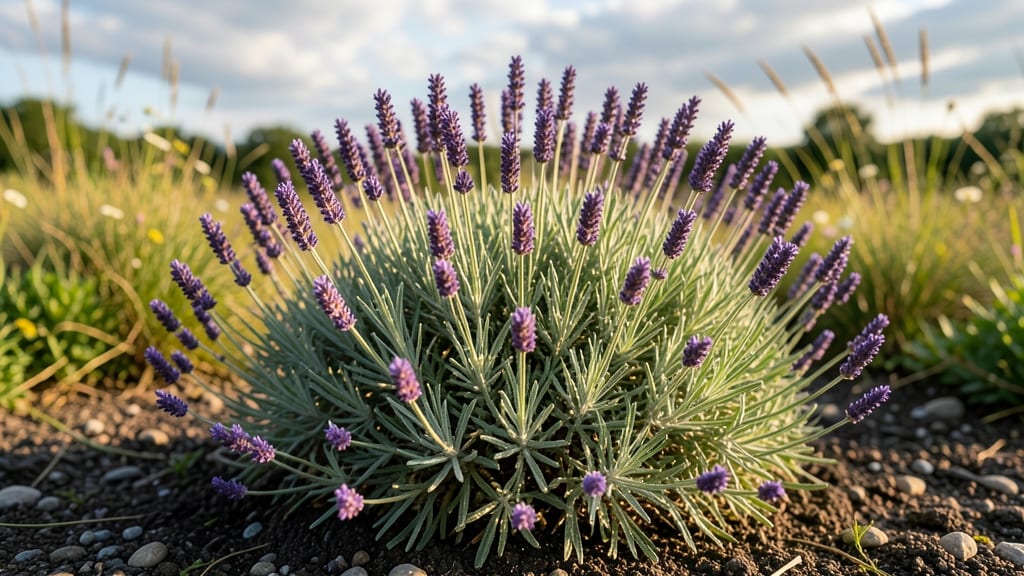
Munstead lavender is indeed a perennial plant that returns reliably each year, surviving winter dormancy through its deep root system while its above-ground growth naturally dies back until spring.
This hardy lavender variety thrives in USDA zones 5-9, where it can withstand freezing temperatures down to -15°F without permanent damage. 🌱 The key to its survival lies in its woody stems and extensive root network, which store energy during winter dormancy.
Unlike annuals that complete their life cycle in one season, Munstead lavender conserves resources underground until warm weather triggers regrowth—typically by late spring—when you'll see fresh shoots emerging from the base.
What makes this dieback cycle fascinating is how it mirrors nature's efficiency. The plant essentially "resets" each winter, producing more vigorous growth in subsequent seasons.
This explains why many gardeners notice their lavender looking healthier after the first few years—it's not just age, but the plant's natural adaptation to seasonal challenges.
💡 In This Article
- Why Munstead Lavender Dies Back in Winter
- Caring for Munstead Lavender Through Its Dieback Cycle
Why Munstead lavender dies back in winter
Munstead lavender enters a biological state called cold dormancy when temperatures drop below 40°F, a survival mechanism shared by many hardy perennials.
Unlike annuals that complete their life cycle in one season, this lavender variety stores energy in its deep, fibrous roots—some extending 2-3 feet underground—which act as a natural battery. The woody stems above ground, though they appear dead, contain reserve nutrients that support regrowth when temperatures rise again.
The science behind this dieback involves abscission, where the plant sheds leaves and stems to conserve water and energy during freezing conditions. Munstead lavender's stems contain lignin-rich tissues, a woody polymer that prevents cell damage from ice crystals forming within plant cells.
This is why you'll often see stems standing upright through winter—they're not completely dead, just dormant. 🌿 What's remarkable is how these stems can regenerate new growth from their base when spring arrives, proving their role as living conduits for stored energy.
This dieback cycle isn't unique to Munstead lavender—it's characteristic of semi-hardy perennials like Russian sage and butterfly bush—but what sets Munstead apart is its resilience to repeated freeze-thaw cycles.
Most perennials suffer damage from rapid temperature swings, but Munstead's deep roots maintain a stable temperature zone, protecting the plant's vital organs. The USDA hardiness zone 5-9 range reflects this adaptability, where it can survive -15°F winters without permanent damage.
What most gardeners don't realize is that this winter dieback actually improves the plant's health. By shedding its above-ground growth, Munstead lavender redirects its energy toward root development, creating a stronger foundation for the next growing season.
This explains why older lavender plants often produce more robust blooms—each winter's dormancy period contributes to the plant's long-term vigor. The trade-off is that this cycle requires patience from gardeners, as the plant may appear "dead" for months before spring regrowth.
Comparing Munstead to true annuals like sweet alyssum highlights the difference: annuals complete their entire life cycle in one season, while perennials like Munstead lavender reset annually through dormancy.
This biological reset is what allows Munstead to live for 10-15 years or more with proper care—a testament to its perennial nature. The key visual clue is the green shoots that emerge from the base in spring, proving the plant's survival through winter.