
Aphids
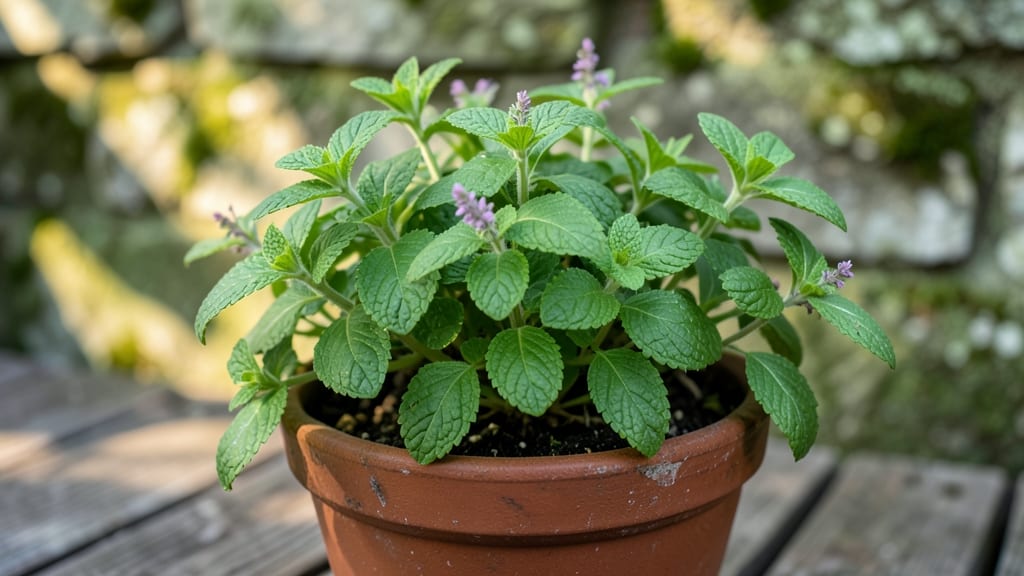
Mint is a perennial plant that survives winter by dying back above ground but regrows from its extensive underground root system each spring, thriving in cold climates from USDA zones 3 through 11. Its rapid, spreading growth makes it both hardy and potentially invasive without proper management.
This hardy herb's secret lies in its rhizomatous root system, which stores energy underground and sends up new shoots when temperatures rise. 🌱 Unlike annuals that die completely each year, mint's roots remain dormant but viable through frost, allowing it to bounce back stronger each spring.
The key to its survival is this underground network—when you see mint returning year after year, you're witnessing nature's built-in resilience at work.
What makes this particularly interesting is how mint's growth pattern differs from true perennials like lavender. While lavender maintains its foliage year-round in mild climates, mint's complete winter dieback actually protects it from cold damage while conserving energy.
This two-phase lifecycle—dormancy followed by explosive regrowth—is what classifies it as a half-hardy perennial in gardening circles.
💡 In This Article
- How Mint’s Root System Ensures Year-Round Regrowth
- Best Practices for Controlling Mint’s Perennial Growth
How mint’s root system ensures year-round regrowth
Mint's survival strategy hinges on its rhizomatous root system, a network of horizontal underground stems that store carbohydrates and nutrients. These roots can extend up to 3 feet deep while spreading laterally at rates of 12-24 inches per year—explaining why mint often takes over garden beds.
The key adaptation is its ability to enter dormancy when temperatures drop below 20°F, with the roots maintaining viability through winter by converting starches into sugars that act as antifreeze.
This system differs from true perennials like hostas, which maintain above-ground foliage year-round. Mint's complete winter dieback actually protects it: the aboveground stems freeze and die, but the roots remain protected by 1-2 inches of soil insulation.
When spring temperatures reach 40°F, the roots begin metabolizing stored sugars to produce new shoots within 2-3 weeks, often before snowmelt completes. 🌱 The rapid regrowth is fueled by these underground reserves, which can sustain the plant even in poor soil conditions.
What makes mint uniquely resilient is its cold-hardiness range—surviving from USDA zones 3 (as cold as -40°F) through zone 11 (mild winters). The rhizomes contain specialized cells that prevent ice crystal formation, while their fibrous structure allows them to flex without breaking during freeze-thaw cycles.
This contrasts with biennials like carrots, which die completely after their second year, or annuals like basil that must be replanted annually.
One fascinating mechanism is mint's ability to regenerate from even small root fragments. A single 1-inch rhizome section can produce a new plant, which is why gardeners often find mint popping up unexpectedly.
This vegetative reproduction ensures the plant's survival even when portions are damaged by frost or herbivores. The roots also exude natural compounds that inhibit competing plants, giving mint a competitive edge in garden ecosystems.
For gardeners, understanding this root system explains why mint returns so vigorously each year. The underground network acts like a biological battery, storing energy for spring regrowth while remaining dormant during winter.
This two-phase lifecycle—dormancy followed by explosive growth—is what truly defines mint as a half-hardy perennial, bridging the gap between true perennials and annuals in its survival strategy. 💫