I’ve been obsessed with plants since I was a kid, sneaking seeds from my mom’s garden to grow in old tin cans by the back porch. There’s something about watching something small turn into something alive that never gets old. This site is where I share the lessons I’ve learned—from the triumphs (that first tomato!) to the disasters (the time the squash vines took over the whole yard). I aim to make gardening approachable, whether you’re a beginner with a windowsill or a veteran with a full plot.
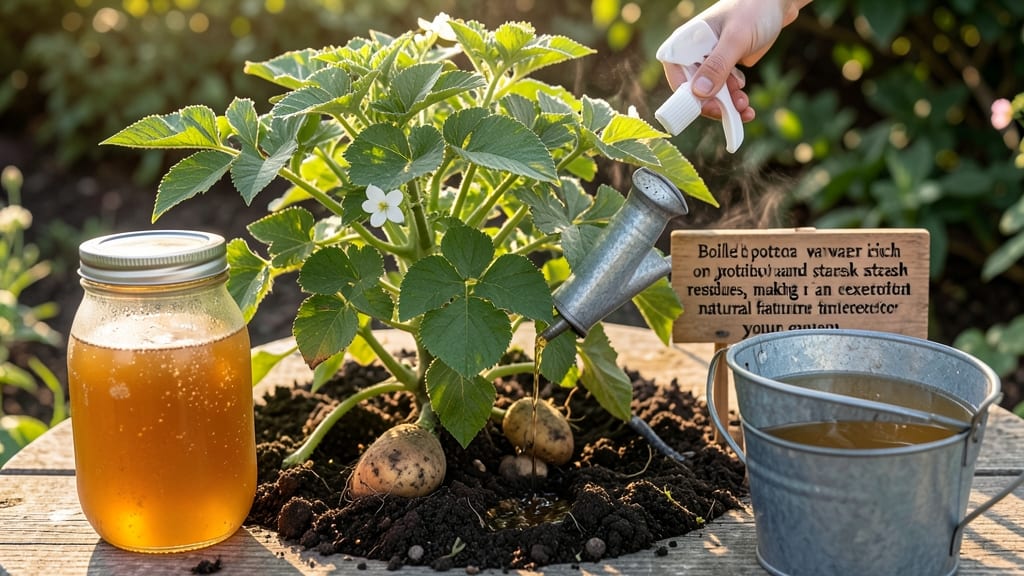
💥 Quick Answer Yes, is boiled potato water good for plants? It can act as a mild fertilizer, providing potassium and starch residues that support growth, but it must be cooled, diluted, and used sparingly to avoid…
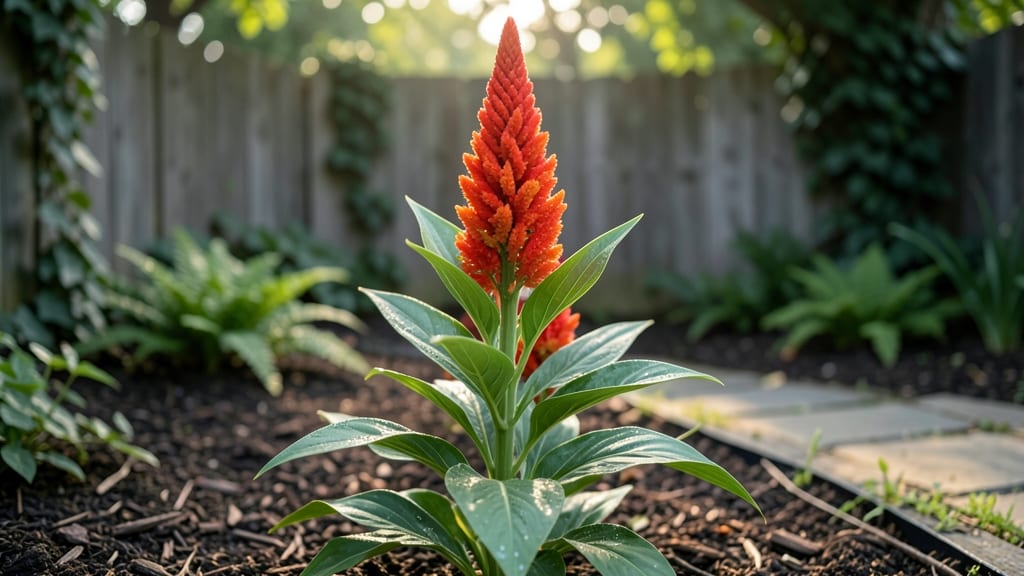
💥 Quick Answer Celosia is not a perennial** in most climates, dying back to the ground in cold winters but typically surviving only in USDA Zones 10-12 as a tender perennial. In colder regions, it’s grown as an annual…
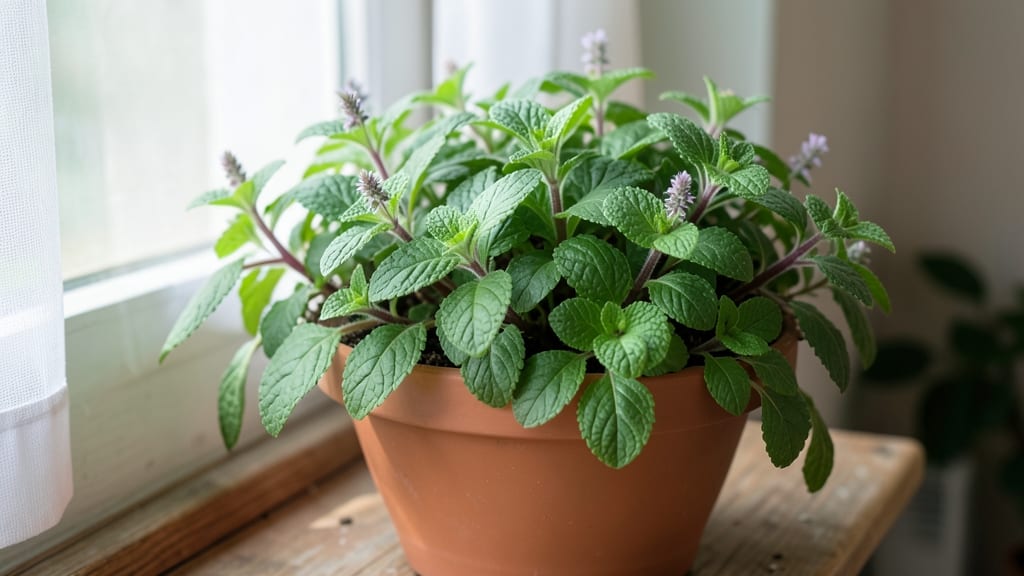
💥 Quick Answer Yes, chocolate mint is a perennial plant that regrows each season through underground rhizomes, thriving in USDA hardiness zones 5-9 with proper care and moisture. This perennial status comes from its…
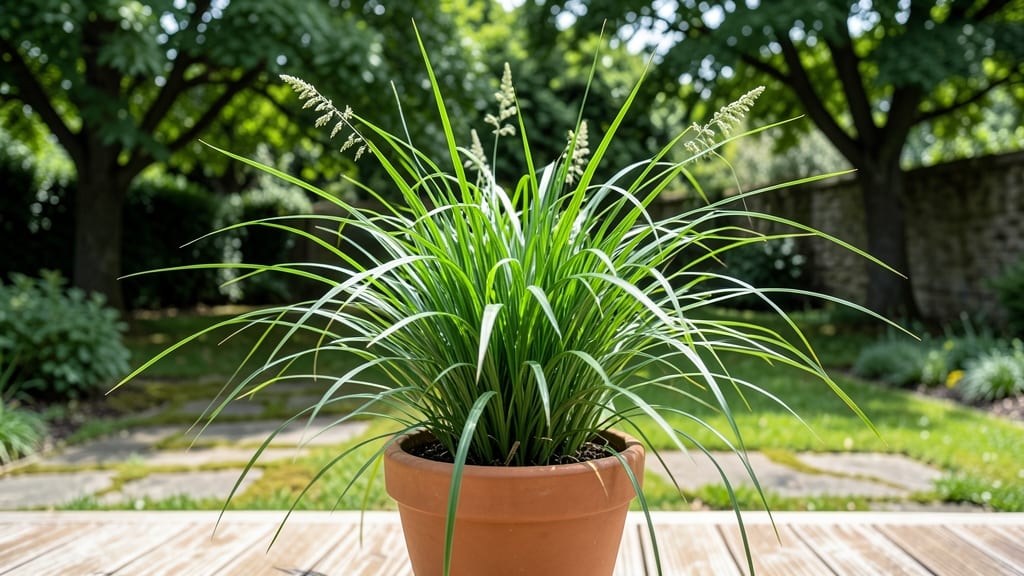
💥 Quick Answer Citronella behaves as a tender perennial in USDA zones 9-11, meaning it dies back to the ground during frost but regrows from its root system each spring with proper winter care. Citronella's perennial…
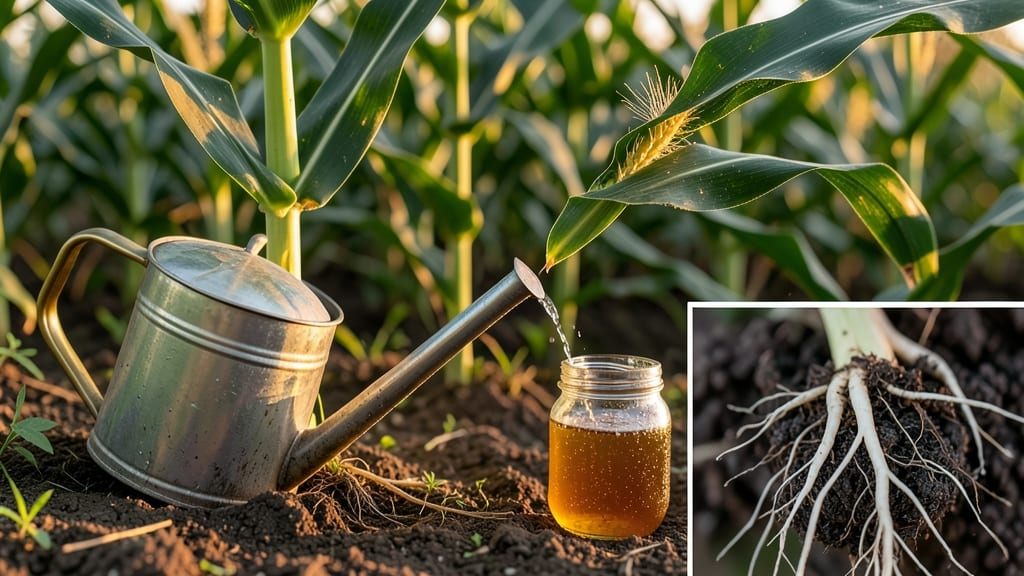
💥 Quick Answer Corn water is good for plants in moderation as it provides trace nutrients like potassium and phosphorus from soaked corn kernels, but excessive use may risk over-fertilizing or introducing mold spores…
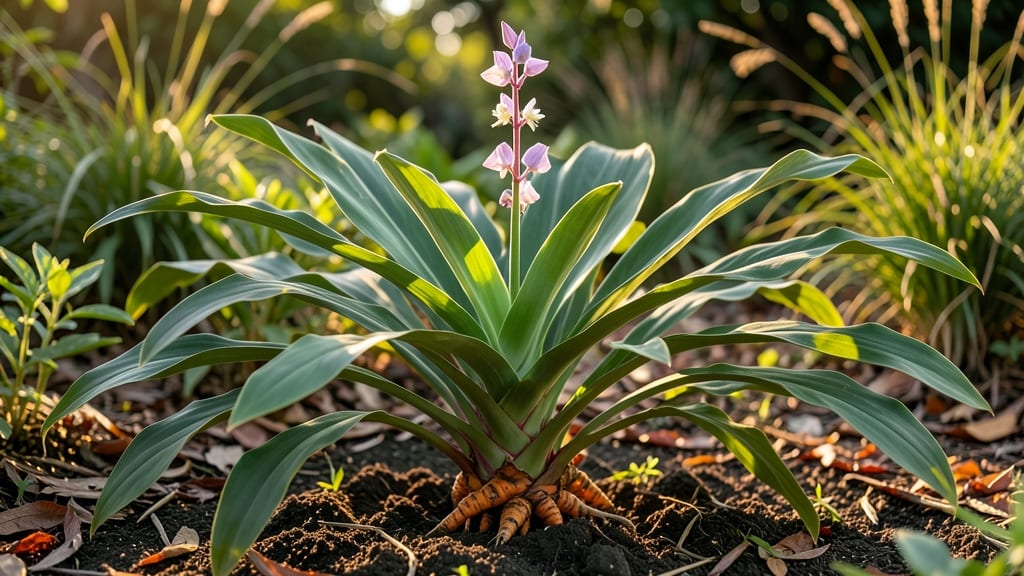
💥 Quick Answer Yes, curcuma ginger is a perennial plant that survives through winter dieback, with its underground rhizomes storing energy to regrow fresh shoots each spring. This natural cycle makes it a hardy…
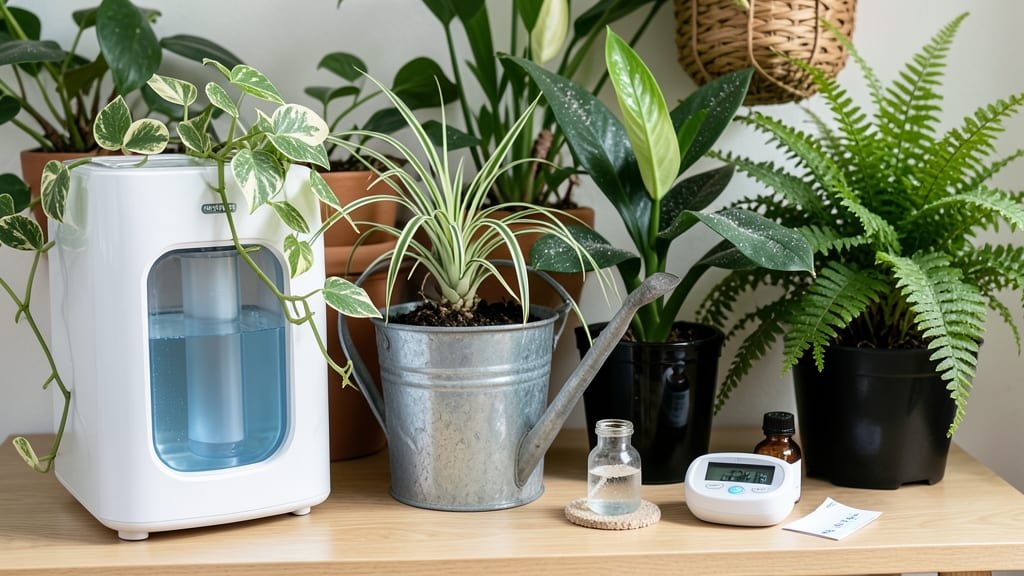
💥 Quick Answer Dehumidifier water is good for plants in moderation, as it contains no chlorine or added minerals but may hold airborne contaminants like dust or mold spores. Use it sparingly and avoid overwatering to…
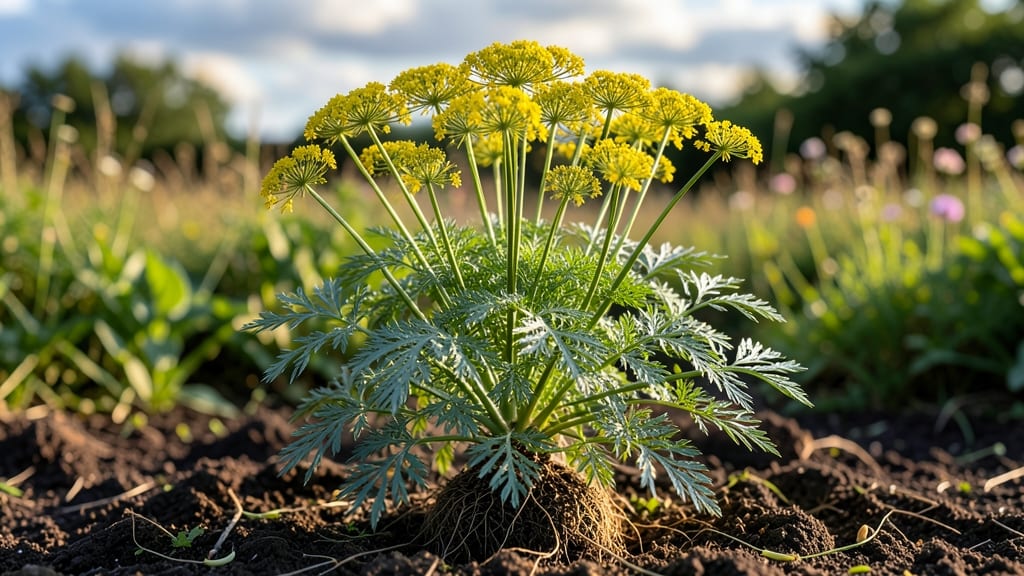
💥 Quick Answer Dill isn't a true perennial—it's a biennial herb that thrives for two years before dying back, though it self-seeds prolifically in mild climates to appear annually. In colder regions, it produces seeds…
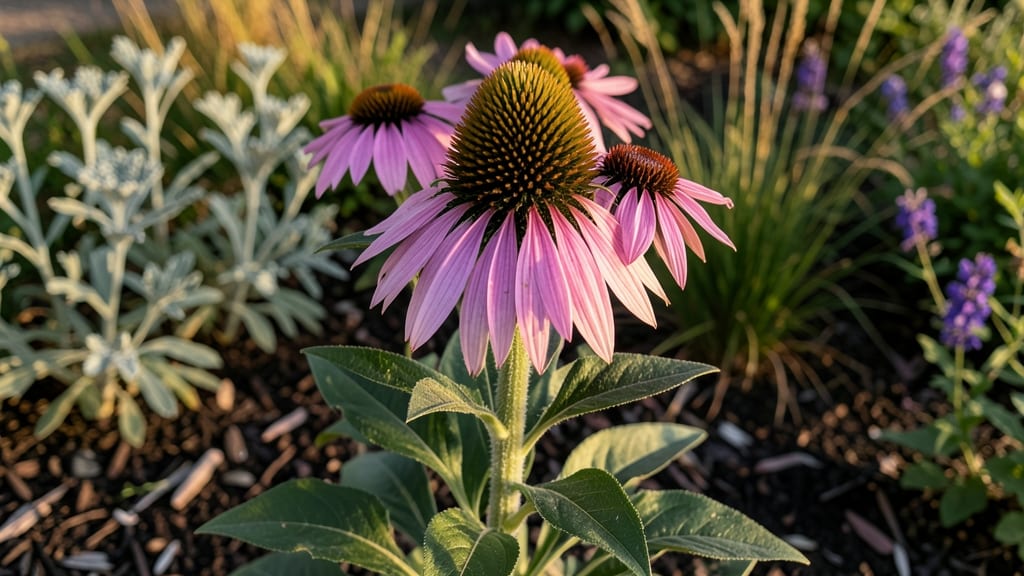
💥 Quick Answer Echinacea is indeed a perennial, thriving through multiple growing seasons in hardiness zones 3-9 with proper care, though some varieties may decline after 3-5 years without division or renewal. Echinacea…
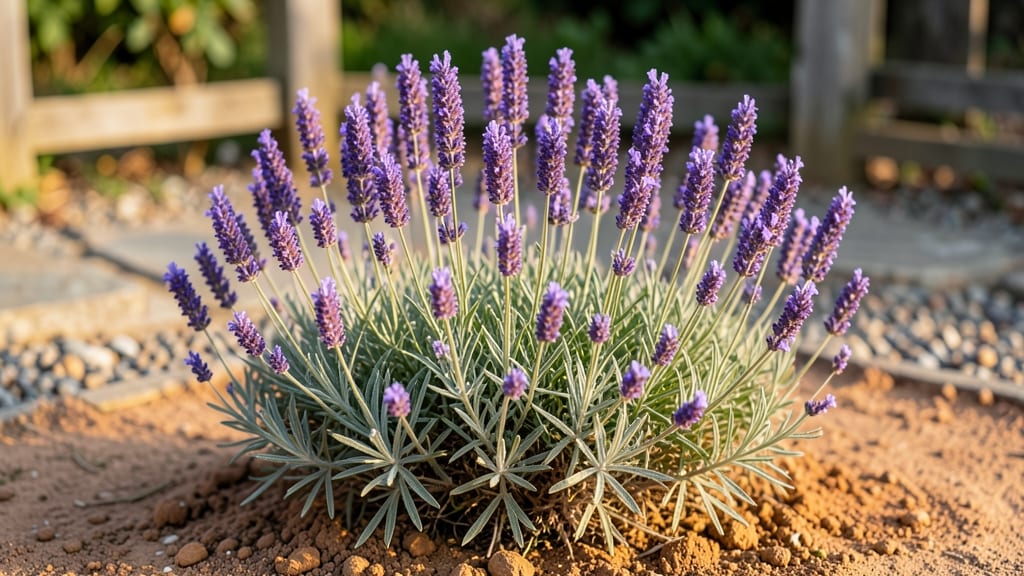
💥 Quick Answer English lavender is indeed a perennial plant, capable of returning each year with consistent care. Its seasonal dieback—where stems brown but roots survive underground—demonstrates its ability to regrow…