
Aphids
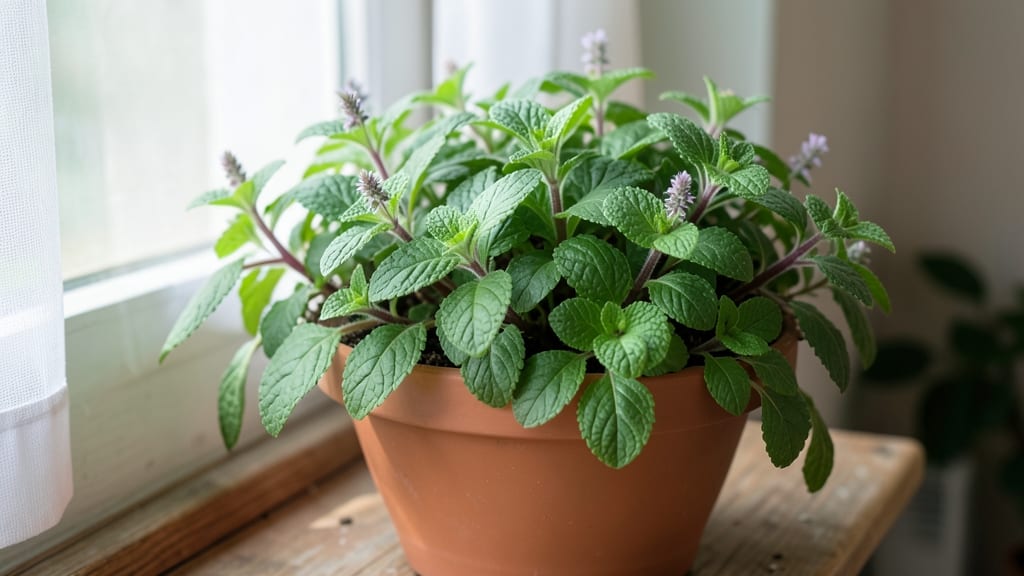
Yes, chocolate mint is a perennial plant that regrows each season through underground rhizomes, thriving in USDA hardiness zones 5-9 with proper care and moisture.
This perennial status comes from its tough root system that stores energy for regrowth.
Unlike annuals that die back completely, chocolate mint's rhizomes let it bounce back year after year, though some varieties may need winter protection in colder zone 5 areas. 🌱 The key to maintaining its perennial nature is keeping the soil consistently moist and providing partial shade, which helps prevent stress that could weaken its winter survival.
What sets chocolate mint apart from other perennials is its aggressive spreading habit. While this makes it great for ground cover, it also means you'll need to control its growth boundaries. I've found that regular pruning in late summer helps maintain its shape while preserving its signature chocolatey flavor profile.
💡 In This Article
- Chocolate Mint’s Cold Hardiness and Growth Cycle
- Best Practices for Year-Round Chocolate Mint Cultivation
Chocolate mint’s cold hardiness and growth cycle
Chocolate mint earns its perennial status through its specialized underground rhizome system, which acts like a natural energy reserve. These horizontal root stems store carbohydrates and nutrients during dormancy, allowing the plant to regenerate new shoots when temperatures rise.
Unlike annuals that rely solely on seeds, chocolate mint's rhizomes can survive down to 0°F in protected conditions, though prolonged exposure to -10°F may cause damage in zone 5's coldest winters.
The plant's cold tolerance varies by variety, with some hybrids developed specifically for extended hardiness. For example, 'Chocolate Chip' mint typically handles zone 5 winters better than standard chocolate mint due to its thicker rhizomes.
What's fascinating is how these rhizomes enter a state of dormancy when temperatures drop below 40°F, slowing metabolic processes to conserve energy—similar to how deciduous trees prepare for winter.
When spring arrives, the rhizomes detect increasing soil temperatures around 50°F and begin sending up new growth. This process is triggered by both temperature and daylight length, with longer days in spring providing the final signal.
The plant's ability to regrow from established roots means even if the above-ground foliage dies back in winter, the rhizomes remain viable for 3-5 years or longer with proper care.
Comparing chocolate mint to other perennial mints like spearmint or peppermint reveals some key differences. While all mint varieties spread via rhizomes, chocolate mint's growth habit is particularly aggressive due to its larger rhizome mass.
Spearmint, for instance, typically has a more compact rhizome system and may struggle in zone 5 without mulch, whereas chocolate mint's thicker roots provide better insulation against freezing temperatures.
One critical factor in chocolate mint's perennial success is its moisture requirements. The rhizomes need consistently damp soil (about 1-1.5 inches of water per week) to maintain their energy reserves.
During winter, this moisture helps prevent the rhizomes from drying out, which can occur even in cold climates if the soil becomes too dry. The plant's partial shade preference also plays a role in winter survival, as it reduces stress from temperature fluctuations.
Understanding these biological mechanisms helps explain why chocolate mint thrives in zones 5-9 while other mints may struggle. For example, in zone 9's mild winters, chocolate mint may grow nearly year-round, while in zone 5, it enters a more pronounced dormancy period.
The plant's ability to adapt its growth cycle based on temperature makes it one of the hardiest mint varieties for home gardens.