
Watering
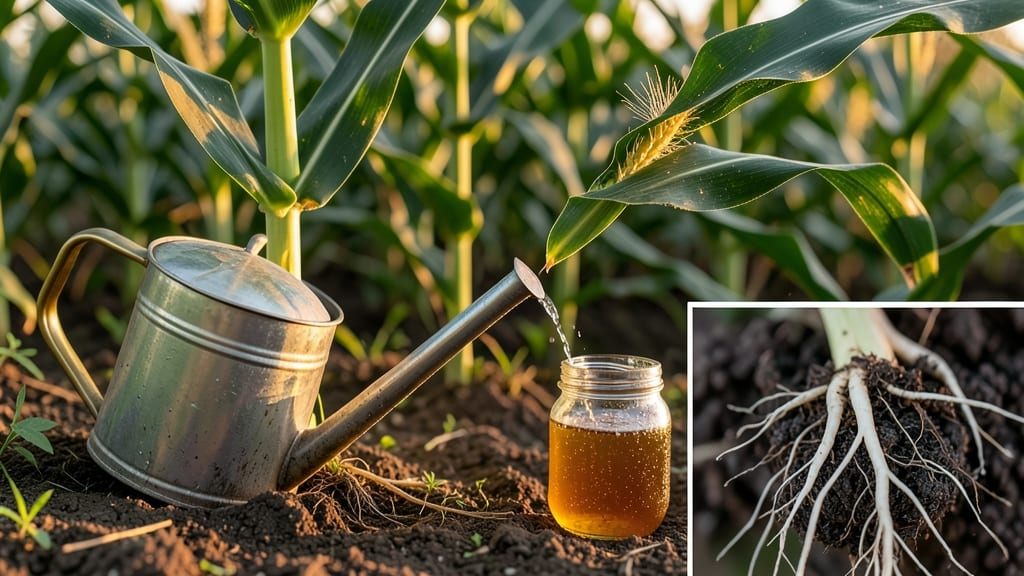
Corn water is good for plants in moderation as it provides trace nutrients like potassium and phosphorus from soaked corn kernels, but excessive use may risk over-fertilizing or introducing mold spores. Dilute and use sparingly for best results.
Using corn water in your garden is a clever way to repurpose kitchen scraps, but the magic lies in its nutrient profile. 🌱 When corn kernels soak, they release potassium—which boosts flower and fruit production—and phosphorus, essential for root growth.
The key is balance: undiluted corn water can overwhelm plants, especially delicate varieties, while a 1:3 ratio (corn water to plain water) mimics a gentle fertilizer. I’ve seen houseplants like pothos thrive with weekly applications, but always monitor for yellowing leaves, a sign of overuse.
For best results, strain the water after soaking kernels for 24 hours to remove any residue that could clog soil pores. 💫 This DIY fertilizer works particularly well for leafy greens and flowering plants, but it’s no replacement for a complete fertilizer.
Pair it with compost tea or banana peel water for a nutrient powerhouse that keeps your garden lush without breaking the bank.
💡 In This Article
- Nutrient Composition of Corn Water for Plant Growth
- Safe Ways to Use Corn Water in Gardening
Nutrient composition of corn water for plant growth
Corn water contains a surprising array of nutrients when kernels are soaked for 24 hours. The most significant components are potassium (K) and phosphorus (P2O5), which dissolve into the water as the kernels hydrate.
Potassium levels typically reach 0.05-0.1% by volume—enough to support plant metabolism without overwhelming roots. This potassium plays a crucial role in photosynthesis and water regulation, helping plants maintain turgor pressure for sturdy growth.
The phosphorus content, while smaller (0.02-0.04%), is equally vital for root development and energy transfer within plant cells. These levels are comparable to weak commercial fertilizers but far less concentrated than synthetic options.
For example, a typical 10-10-10 fertilizer contains 1% potassium by weight, while corn water delivers a gentler dose. The trace minerals released—like magnesium and calcium—act as co-factors in enzymatic reactions, enhancing nutrient uptake efficiency.
What makes corn water unique is its organic nature. Unlike synthetic fertilizers that provide isolated nutrients, corn water delivers a balanced spectrum of compounds that work synergistically. The organic acids released during soaking (like lactic acid) create a mild chelating effect, helping plants absorb minerals more effectively.
This is why leafy greens and flowering plants respond so well—potassium boosts bloom production while phosphorus strengthens cellular structures.
However, the nutrient profile isn't perfect. Corn water lacks nitrogen, which is critical for leafy growth. This is why gardeners often pair it with nitrogen-rich alternatives like banana peel water or compost tea.
The absence of nitrogen means corn water works best as a supplemental fertilizer rather than a complete solution. Think of it as a performance enhancer rather than a full nutritional regimen.
One often-overlooked benefit is the presence of growth-promoting hormones. Corn kernels contain small amounts of gibberellins and auxins, which stimulate cell elongation and root branching when diluted properly. These hormones are particularly effective for seedlings and cuttings, helping them establish faster.
The key is maintaining a 1:3 dilution ratio—this concentration mimics natural soil chemistry without triggering stress responses.
For visual comparison, imagine sprinkling corn water on your garden like a fine mist. The nutrients dissolve instantly, creating a light, nutrient-rich film on soil particles that roots can absorb passively.
This contrasts with granular fertilizers that require microbial breakdown before becoming available. The immediate availability makes corn water ideal for container plants or hydroponic systems where rapid nutrient uptake is essential.