
Companion Plants
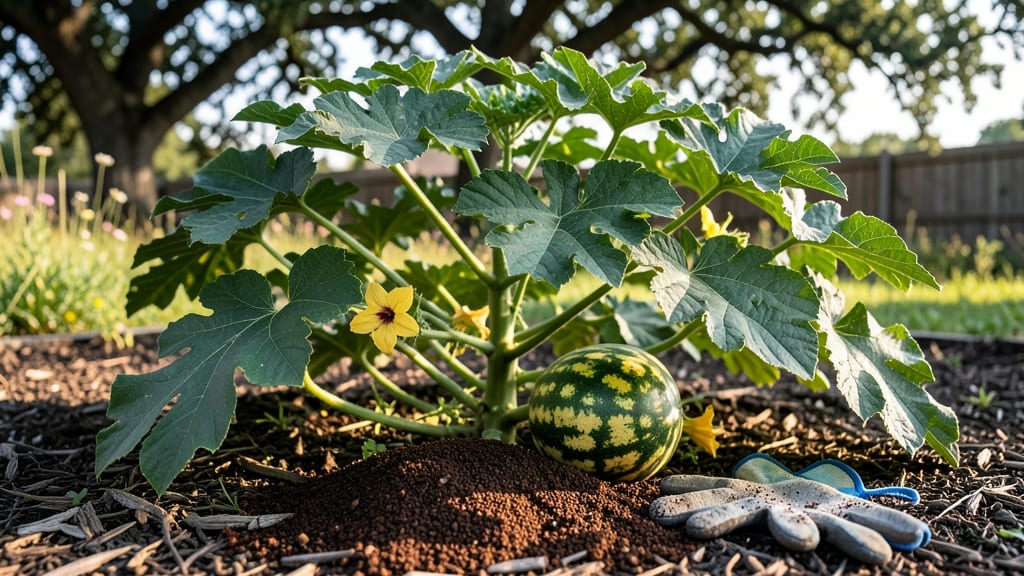
Watermelon plants do like coffee grounds for their nitrogen content, but too much can make the soil too acidic, which may slow their growth. Mix 1 part grounds with 3 parts compost and check soil acidity regularly to keep conditions right for strong vines and sweet fruit.
Coffee grounds work as a natural fertilizer because they're rich in nitrogen, which watermelons love for leafy growth and fruiting. 🌱 However, the caffeine and tannins in grounds gradually lower soil pH, and watermelons prefer a slightly acidic to neutral range (6.0–6.8).
The key is moderation—think of it as a supplement rather than a primary nutrient source. I've found that blending grounds into compost rather than applying them directly gives plants time to adjust while preventing pH swings that could stress the roots.
For best results, limit applications to every 4–6 weeks and pair them with lime or wood ash to maintain balance. Watch for yellowing leaves or stunted growth—these are red flags that your soil may be getting too acidic.
Watermelons are resilient, but giving them the right soil chemistry makes all the difference in fruit size and sweetness.
💡 In This Article
- How Coffee Grounds Affect Watermelon Soil Chemistry
- Best Practices for Using Coffee Grounds in Watermelon Gardens
How coffee grounds affect watermelon soil chemistry
Coffee grounds act as a slow-release nitrogen fertilizer because they contain about 2% nitrogen by weight, along with smaller amounts of phosphorus and potassium. When mixed into soil, beneficial microbes break down the organic matter, releasing these nutrients over 4-6 weeks.
For watermelons, this nitrogen boost supports vigorous vine growth and leaf development—the foundation for strong fruit production. However, the caffeine and tannins in grounds also contribute to soil acidification as they decompose, lowering pH gradually over time.
The ideal soil pH for watermelons ranges between 6.0 and 6.8, which is slightly acidic to neutral. Coffee grounds can push soil pH down to 5.5 or lower if used excessively, creating conditions where essential nutrients like phosphorus and calcium become less available.
This is why watermelons may show signs of nutrient deficiency—such as yellowing leaves or weak stems—even when coffee grounds are present. The decomposition process releases organic acids that bind with soil minerals, effectively locking them away from plant roots.
What makes this particularly tricky is that watermelons are heavy feeders, requiring consistent nutrient availability throughout their growing season. While the nitrogen from coffee grounds can initially stimulate growth, the long-term acidification creates a trade-off.
For example, a 1-inch layer of coffee grounds applied directly to soil could lower pH by 0.5-1.0 points over 3 months, depending on your existing soil composition. This is why blending grounds with compost (using a 1:3 ratio) dilutes their acidifying effect while still providing nitrogen benefits.
Another critical factor is microbial activity. Coffee grounds attract beneficial fungi and bacteria that help break them down, but these same microbes also contribute to the acidification process. In well-draining soils with existing organic matter, this breakdown happens more efficiently and with less pH impact.
However, in dense or clay-heavy soils, the decomposition slows, increasing the risk of localized acid pockets that can stress watermelon roots. This is why soil testing before and after application is essential for maintaining balance.
Consider this real-world example: In a 6-foot diameter watermelon patch with sandy loam soil (pH 6.5), adding 2 cups of coffee grounds mixed into the top 6 inches of soil every 6 weeks would maintain nitrogen levels while keeping pH stable.
But if you doubled that amount without monitoring, you might see pH drop to 5.8 within 2 months, leading to slower growth and smaller fruit. The key is treating coffee grounds as a supplement rather than a primary nutrient source.
To mitigate acidification, pair coffee ground applications with lime or wood ash (about 1/4 cup per square foot every 3 months). These amendments raise pH while adding calcium and potassium, which watermelons need for fruit development.
The goal is to create a dynamic equilibrium where nitrogen availability supports growth without sacrificing soil chemistry. This balance is what transforms coffee grounds from a potential risk into a valuable garden amendment.