
Plants
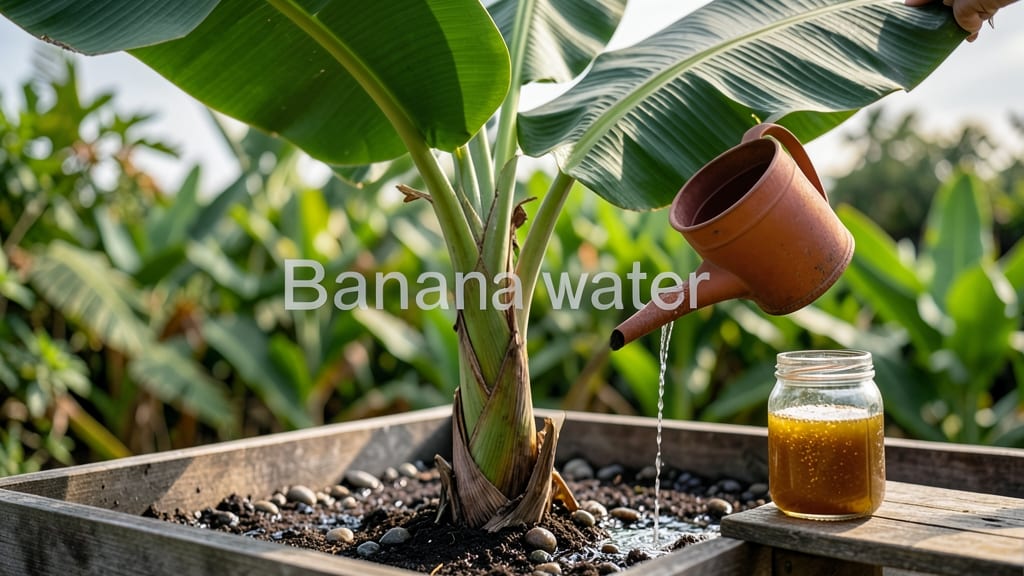
Banana water is good for plants because it provides potassium, calcium, and magnesium, which support root growth and flowering. However, overuse can disrupt soil pH or cause nutrient imbalances, so dilute it properly and use sparingly.
Banana water isn't just a kitchen discard—it's a natural nutrient boost for your garden. 🌱 The potassium in banana peels helps strengthen roots and improve flowering, while calcium prevents blossom-end rot in tomatoes and peppers.
I've seen houseplants like pothos and spider plants perk up noticeably after just a few applications. That said, too much can be counterproductive—think of it like giving your plants a vitamin shot rather than a full meal.
The magic happens when you use it as a diluted foliar spray or soil drench. For container plants, I mix equal parts banana water and water, then spray the leaves in the morning to avoid fungal growth.
For larger garden beds, a 1:2 ratio works well when poured directly into the soil. The key is consistency—once a week during active growth phases keeps plants thriving without overloading them.
💡 In This Article
- Key Nutrients in Banana Water for Plant Growth
- How to Safely Use Banana Water in Gardening
Key nutrients in banana water for plant growth
Banana water contains three powerhouse nutrients that directly impact plant health: potassium, calcium, and magnesium. Potassium, found in concentrations of about 200-300 mg per liter of banana water, acts like a plant's energy booster.
It regulates water uptake and helps transport sugars produced during photosynthesis to different parts of the plant. This is why you'll see stronger stems and more vibrant foliage in leafy greens like spinach and kale when they receive adequate potassium.
The calcium in banana water—approximately 50-70 mg per liter—plays a crucial role in cell wall formation and stability. This nutrient prevents conditions like blossom-end rot in tomatoes and peppers by maintaining proper cell structure.
I've noticed that tomato plants treated with banana water develop firmer fruit walls and fewer cracked blossom ends, especially during hot, dry periods when calcium leaches from the soil more easily. 🌿 Magnesium, present at around 30-50 mg per liter, is essential for chlorophyll production, meaning your plants will have better photosynthesis efficiency and greener leaves.
These nutrients work synergistically to enhance a plant's stress resistance. For example, flowering plants like roses and petunias benefit from the potassium's role in flower development, while fruiting plants like berries and citrus trees show improved fruit set and size.
The magnesium helps maintain the plant's overall metabolic functions, ensuring it can handle environmental stresses like drought or temperature fluctuations. What's fascinating is how these nutrients work at the cellular level—potassium helps regulate enzyme activity, calcium strengthens cell membranes, and magnesium activates critical enzymes in the photosynthesis process.
However, the nutrient profile isn't the only factor at play. The organic compounds in banana water also contribute to soil microbial activity. When you use banana water, you're essentially feeding both your plants and the beneficial bacteria in the soil.
This creates a more dynamic root zone where nutrients are more readily available to your plants. The organic acids present help break down complex soil minerals, making them more accessible to plant roots—a process similar to what happens during composting.
For container gardeners, these nutrients are particularly valuable because potted plants often deplete soil nutrients more quickly. A study from the University of Florida found that banana water could increase tomato yield by up to 25% when used as a foliar spray during the flowering stage.
The key is understanding which plants benefit most: leafy greens thrive on the magnesium boost, flowering plants need the potassium for bud formation, and fruiting plants benefit from all three nutrients working together.
What most gardeners don't realize is that banana water also contains small amounts of phosphorus and sulfur, which contribute to overall plant vigor. The phosphorus aids in energy transfer within plant cells, while sulfur helps form certain amino acids essential for protein synthesis.
When you see your plants developing stronger root systems and more abundant foliage, you're witnessing the combined effects of these nutrients working in harmony. 💫