
Flowers
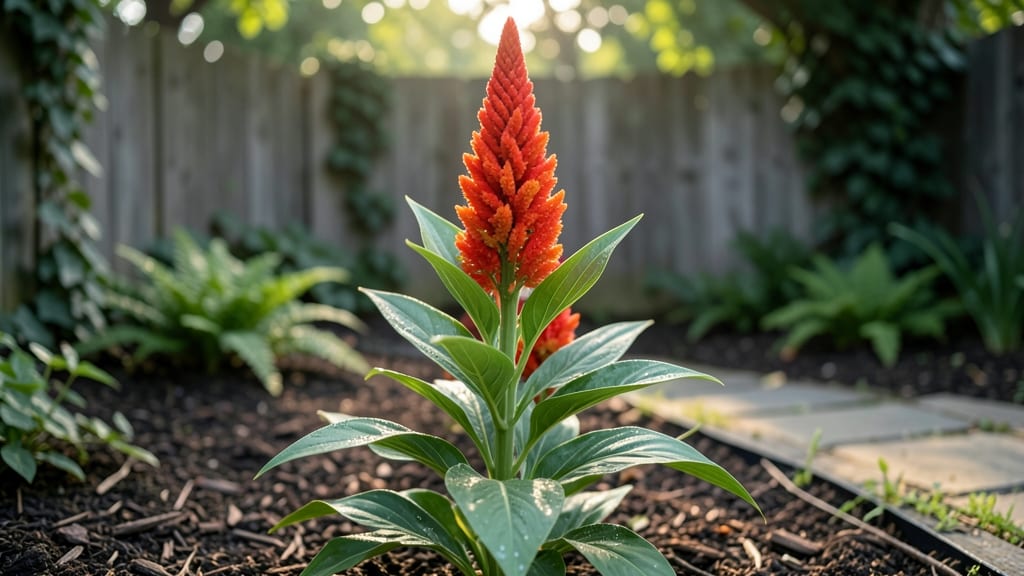
Celosia is not a perennial** in most climates, dying back to the ground in cold winters but typically surviving only in USDA Zones 10-12 as a tender perennial. In colder regions, it’s grown as an annual or dug up and overwintered indoors.
Celosia's perennial status depends entirely on your climate zone. 🌱 This vibrant flower thrives in warm regions like Florida or Southern California, where winter temperatures rarely dip below freezing.
In colder areas, its tender roots can't withstand frost, forcing gardeners to treat it as an annual or take extra steps to preserve it through winter. Many gardeners in Zones 7-9 successfully overwinter celosia by digging up the roots and storing them indoors until spring.
What sets celosia apart is its tropical origins—it evolved in warm climates where freezing temperatures never occur. This means even if you love its bold colors and unique shapes, you'll need to plan ahead if you want to enjoy it year after year in colder zones.
The good news? With proper overwintering techniques, you can extend its life beyond a single growing season.
💡 In This Article
- Why Celosia Dies in Cold Climates
- How to Overwinter Celosia in Cold Regions
Why celosia dies in cold climates
Celosia's inability to survive freezing temperatures stems from its tropical heritage. Native to regions like Africa, Asia, and South America, celosia evolved in climates where temperatures rarely drop below 50°F.
Its delicate root systems and tender stems simply can't withstand frost, which causes cellular damage through ice crystal formation inside plant tissues. Even a light freeze at 32°F can kill celosia plants outright, turning their vibrant foliage black within hours.
The plant's survival strategy relies on warm-season growth—it bolsters energy reserves in its roots during summer but lacks the hardiness of true perennials like hostas or daylilies. Celosia's roots contain minimal starch reserves compared to cold-hardy perennials, giving them little protection against winter's chill.
In USDA Zones 10-12, where winters rarely drop below 30°F, celosia can persist as a tender perennial, but in colder zones, it behaves like an annual because its biological systems weren't designed for temperature extremes.
What makes this particularly frustrating for gardeners is how celosia's growth habit contrasts with its hardiness. The plant produces striking plumes or crests that bloom prolifically in summer heat, but this vigorous above-ground growth depletes energy that could otherwise strengthen root systems.
Unlike biennials that store energy for winter survival, celosia prioritizes immediate flowering over long-term storage—making it vulnerable when temperatures drop.
Consider this comparison: A hardy perennial like coneflower (Echinacea) can survive -20°F winters because its roots develop thick insulating layers. Celosia, however, lacks these adaptations—its roots remain thin and watery, more akin to annuals than perennials.
Even in Zone 9, where winters occasionally dip below 25°F, celosia plants typically succumb unless protected by mulch or containers that can be moved indoors.
The botanical term for celosia's behavior is "tender perennial"—it can technically survive multiple years in ideal climates but lacks the cold tolerance of true perennials.
This distinction explains why gardeners in warm coastal areas can enjoy celosia year-round while those in inland regions must treat it as an annual or take special overwintering measures.
The plant's vibrant colors and unique flower forms make this limitation particularly frustrating for gardeners who want perennial color without the maintenance.
What most gardeners don't realize is that celosia's tropical origins extend beyond just temperature preferences—the plant also thrives in well-draining soils with consistent moisture, another factor that limits its cold-climate survival.
In regions with heavy clay soils or poor drainage, celosia's roots suffer from both cold stress and potential rot, compounding the challenges of growing it as anything other than an annual in colder zones. 🌡️