
Flowers
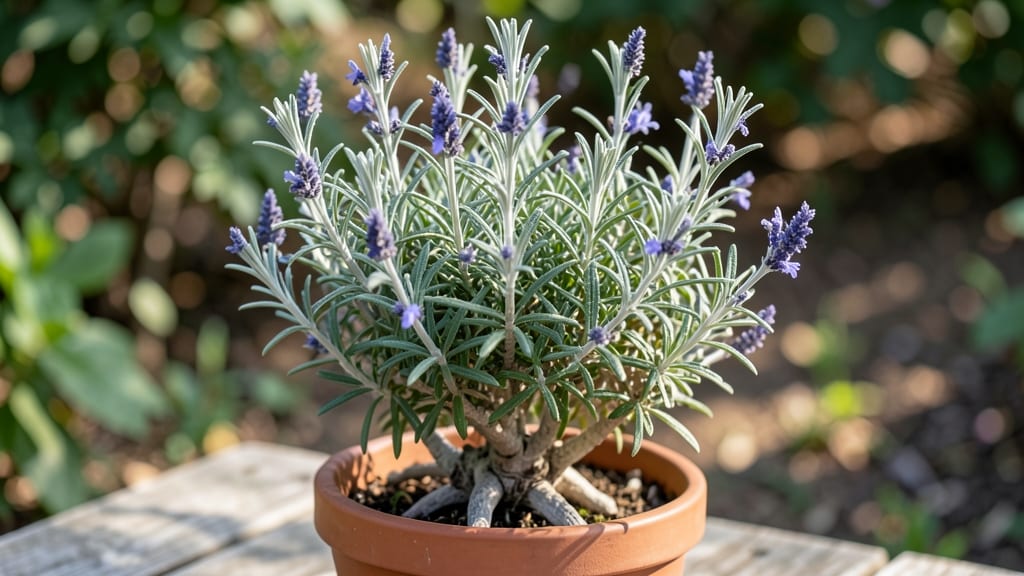
Rosemary is a perennial in warm climates but acts as an annual in frost-prone zones, dying back to the ground each winter before regrowing from its hardy root system when temperatures rise again. Its lifespan depends on winter survival and proper care.
This behavior stems from rosemary's native Mediterranean roots, where it thrives year-round in USDA zones 8-11. 🌱 In colder regions, the above-ground growth freezes, but the roots often survive—sometimes even in zone 7 with protection.
The confusion arises because gardeners assume dead-looking stems mean the plant is gone, when in fact it's just dormant. With proper winter care, rosemary can live for decades in the same spot, though its growth rate slows dramatically after the first few years.
What sets rosemary apart is its ability to regenerate from just a few inches of root left in the ground. This hardiness makes it a favorite for gardeners who want low-maintenance, long-lived herbs.
The key difference between true perennials and rosemary's behavior is that while most perennials stay green year-round, rosemary's survival strategy is all about root preservation during harsh winters.
💡 In This Article
- How Rosemary’s Perennial Nature Works in Different Climates
- Tips for Overwintering Rosemary in Cold Regions
How rosemary’s perennial nature works in different climates
Rosemary's perennial nature stems from its Mediterranean heritage, where it evolved to survive dry summers and mild winters. In USDA hardiness zones 8-11, rosemary grows continuously year-round, developing woody stems that can live for decades with proper care.
The key to its survival lies in its deep root system, which can extend 3-5 feet below ground—far deeper than most herbs—to access moisture during droughts. This root structure stores carbohydrates that fuel regrowth after winter dormancy.
The confusion about rosemary being a perennial arises because its above-ground growth dies back in cold climates, making it appear dead. In zones 7 and below, temperatures below 15°F can kill the tops, but the roots often survive if protected.
This is why rosemary behaves like an annual in frost-prone areas—it's not that the plant dies, but that its visible growth halts until warmer temperatures trigger new shoots from the roots. The root crown, just below the soil surface, contains dormant buds that can regenerate even after severe freezing.
What makes rosemary uniquely resilient is its ability to regrow from just a few inches of root left in the ground. Unlike true annuals that complete their life cycle in one season, rosemary's survival strategy is all about preserving its root system.
This is why you'll often see gardeners report rosemary "coming back to life" in spring—it's not a new plant, but the same one that's been dormant. The root system can even produce multiple stems from a single crown, creating a bushier plant over time.
Climate plays a critical role in how rosemary behaves. In zone 8, rosemary may only need light winter protection, while in zone 5, it typically requires more aggressive overwintering techniques.
The plant's growth rate also slows dramatically in colder climates, as it focuses energy on root survival rather than leaf production. This is why rosemary often grows more slowly in northern gardens compared to its Mediterranean homeland.
Interestingly, rosemary's woody stems in warmer climates contain specialized cells that can store water and nutrients, similar to how cacti survive desert conditions. These adaptations allow rosemary to endure periods of drought and cold, making it one of the most hardy culinary herbs.
The scent you associate with rosemary—strong and piney—actually intensifies during dormancy as the plant concentrates its essential oils for protection against cold and pests.
What most gardeners don't realize is that rosemary's lifespan isn't measured in years like annuals, but in decades. With proper care, a well-established rosemary plant can live for 20-30 years or more, producing new growth each spring from the same root system.
This is why it's often called a "perennial" in gardening circles—even though it may look dead in winter, its biological clock keeps ticking underground.