I’ve been obsessed with plants since I was a kid, sneaking seeds from my mom’s garden to grow in old tin cans by the back porch. There’s something about watching something small turn into something alive that never gets old. This site is where I share the lessons I’ve learned—from the triumphs (that first tomato!) to the disasters (the time the squash vines took over the whole yard). I aim to make gardening approachable, whether you’re a beginner with a windowsill or a veteran with a full plot.
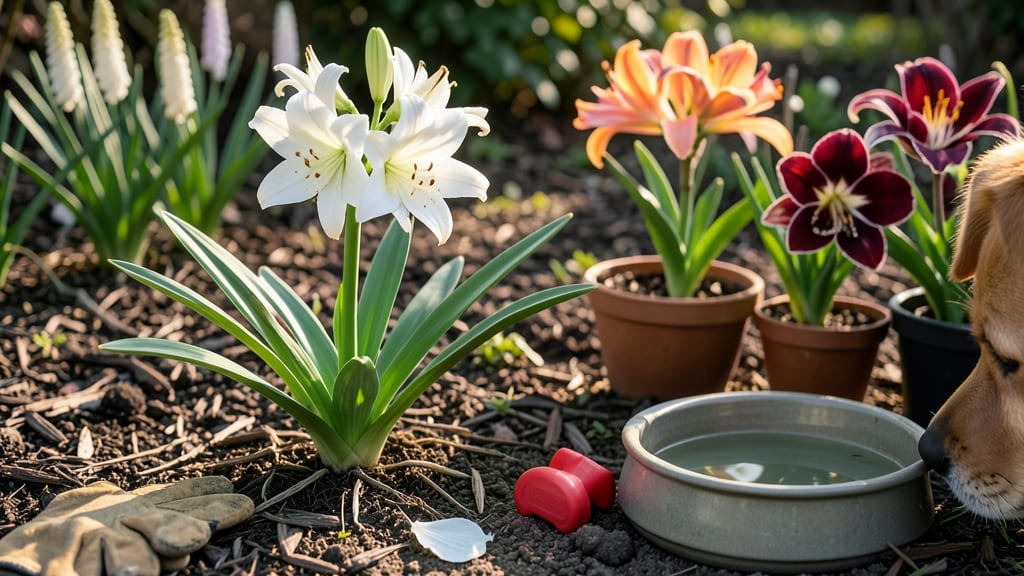
💥 Quick Answer Perennials can indeed be toxic to dogs, with common offenders like lilies, foxglove, and azaleas causing symptoms ranging from vomiting and drooling to severe organ damage. Always verify plant safety…
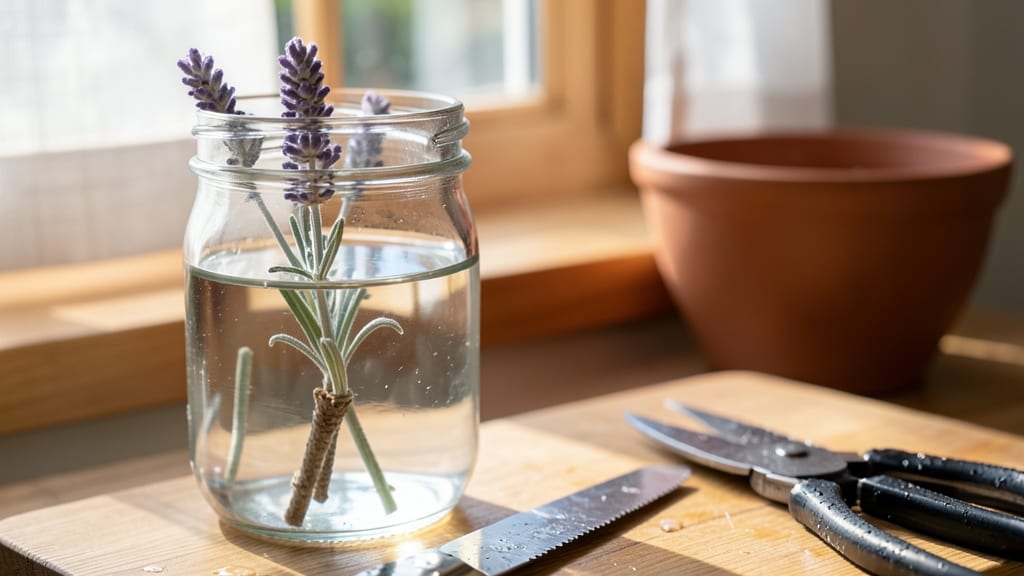
💥 Quick Answer You should avoid putting cut lavender in water, as its stems lack vascular structure to absorb moisture. Instead, place stems in a dry vase or bundle loosely in a jar to preserve fragrance and prevent…
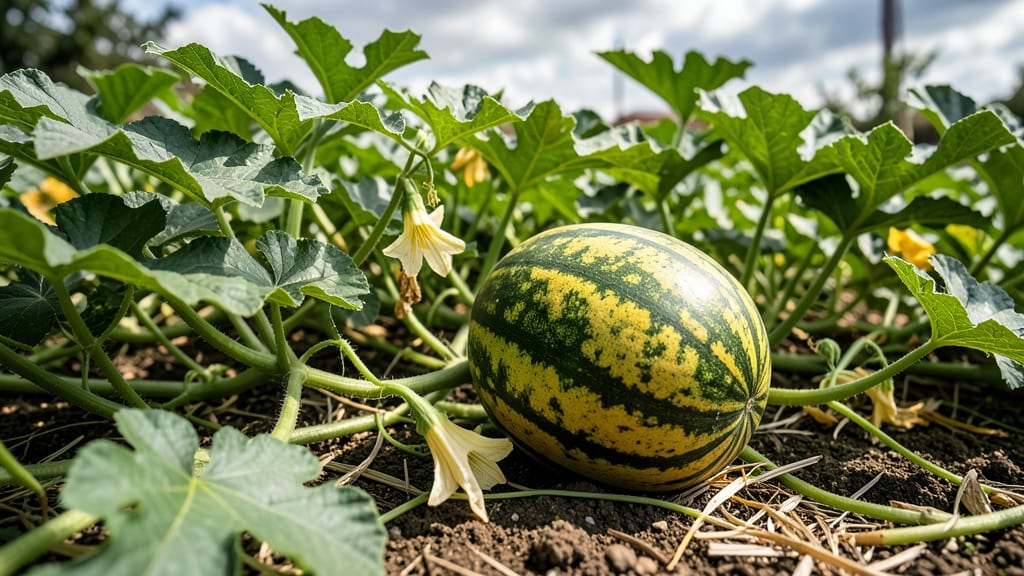
💥 Quick Answer Personal seedless watermelons are at their sweetest when they show a creamy yellow spot on the bottom, make a dull thud when tapped, and emit a fragrant blossom end. Skip melons that feel too heavy or…
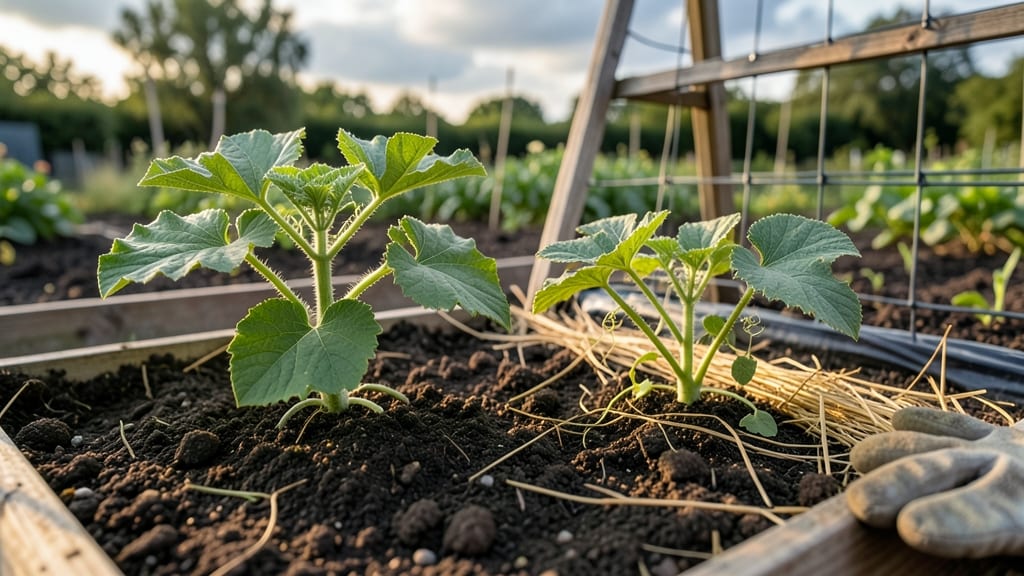
💥 Quick Answer Yes, watermelon and cucumber can be planted together since they share similar growing needs, maximize garden space, and provide mutual benefits like shade and pest protection. Just ensure proper spacing…
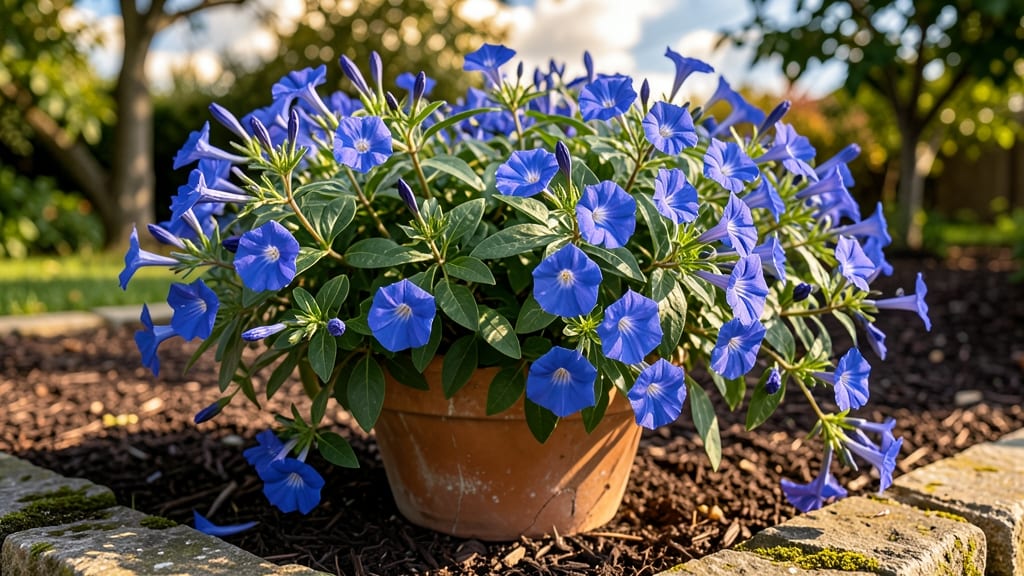
Perennial plumbago plants bring sky-blue cascades that thrive where most flowers give up. 🌿 I’ve grown them for years, and they’ve never failed me—not even during droughts or heatwaves. The secret? Their deep roots and…
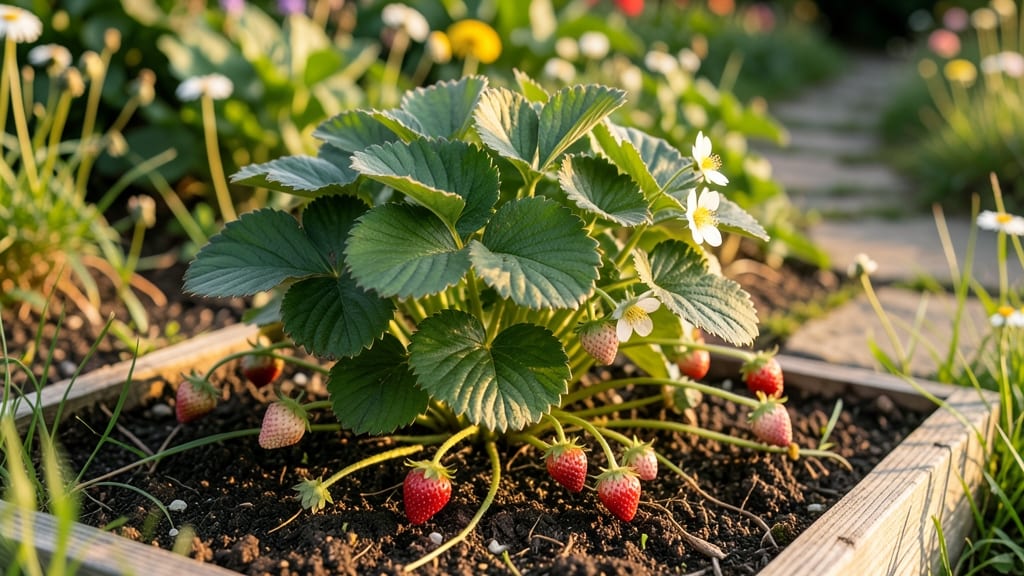
💥 Quick Answer Strawberries in Zone 7 are perennial plants that survive winter through dormancy, but their above-ground growth dies back completely, requiring proper overwintering to ensure strong regrowth in spring…
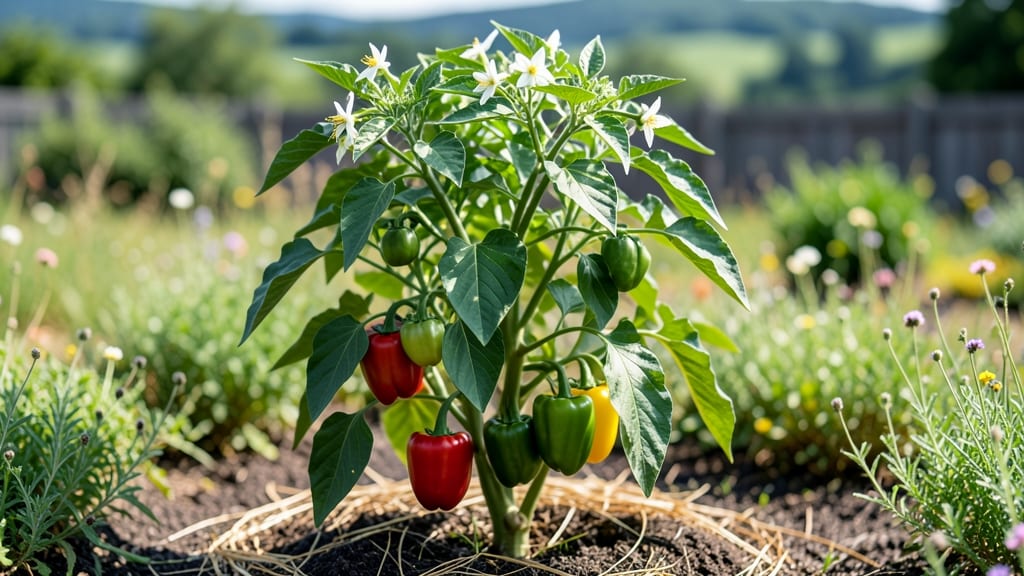
💥 Quick Answer Whether bell peppers are annuals or perennials depends on your climate: they act as annuals in most home gardens because they die after fruiting in one season, but can become perennials in frost-free…
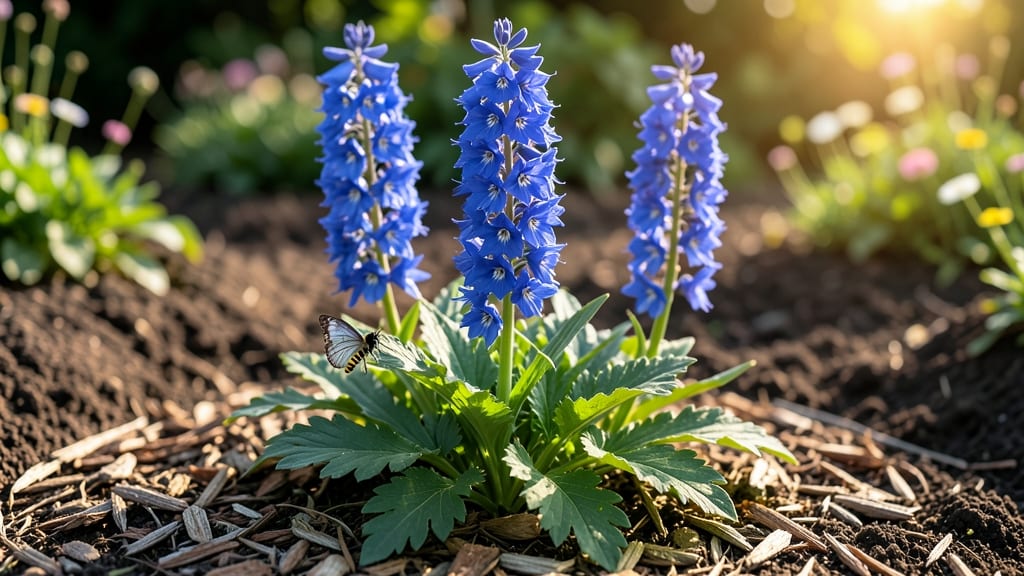
💥 Quick Answer Blue flowering perennials that grow as shrubs offer stunning seasonal color with options like Russian sage, lavender, and butterfly bush, all of which thrive in full sun and require minimal maintenance…
💥 Quick Answer Whether straw flowers are annual or perennial depends on your climate: they typically die back completely each winter in colder regions but may return as short-lived perennials in frost-free areas with…
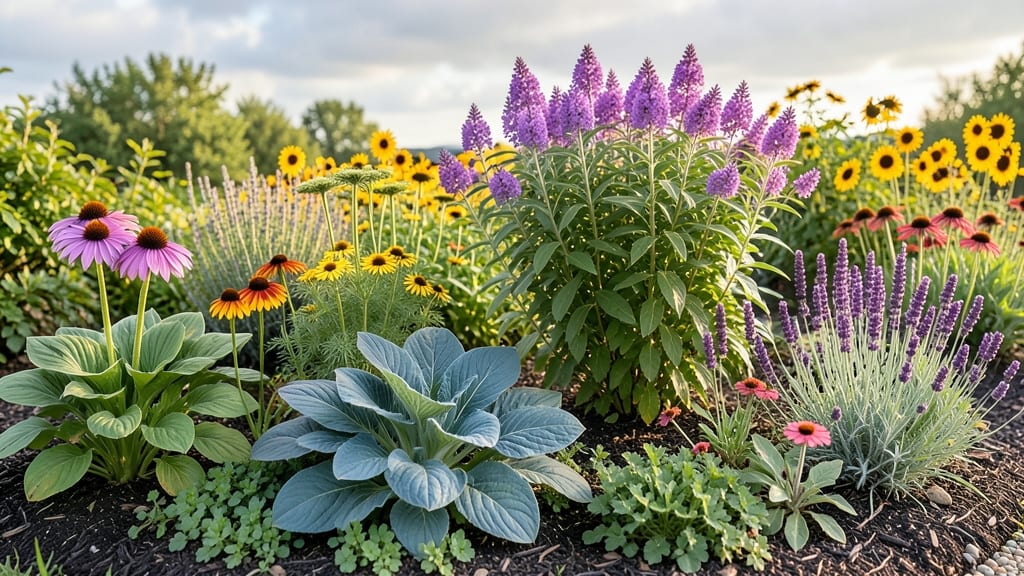
💥 Quick Answer A perennial garden in Zone 5 thrives with cold-resistant plants like coneflowers, black-eyed Susans, and hostas, which return yearly despite winter temperatures dipping below zero. Focus on hardy…