I’ve been obsessed with plants since I was a kid, sneaking seeds from my mom’s garden to grow in old tin cans by the back porch. There’s something about watching something small turn into something alive that never gets old. This site is where I share the lessons I’ve learned—from the triumphs (that first tomato!) to the disasters (the time the squash vines took over the whole yard). I aim to make gardening approachable, whether you’re a beginner with a windowsill or a veteran with a full plot.
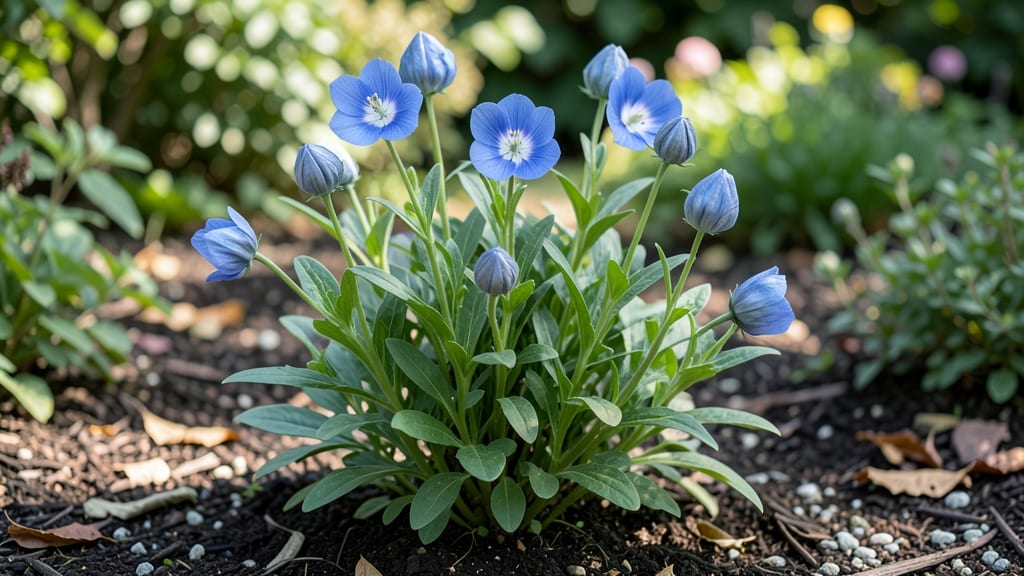
💥 Quick Answer Balloon flower ( Platycodon grandiflorus ) is a perennial in USDA hardiness zones 3-8, though it may self-seed prolifically, creating an annual-like appearance in some regions. Its bulbous roots return…
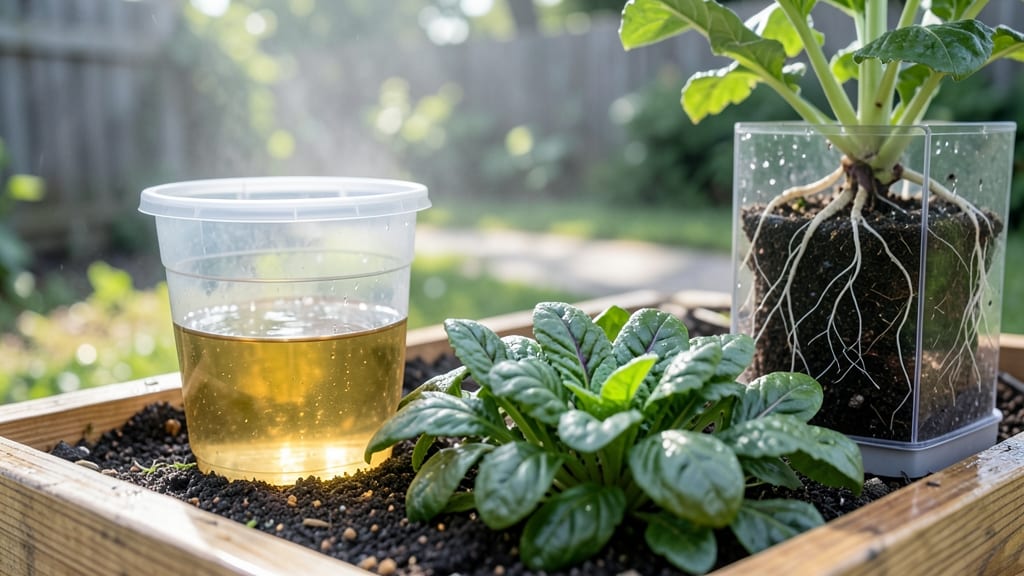
💥 Quick Answer Rainwater does contain nitrogen, but only in minimal dissolved forms like atmospheric nitrogen (N₂) and nitrogen oxides (NOₓ). These trace amounts are far too low to support healthy plant growth on their…
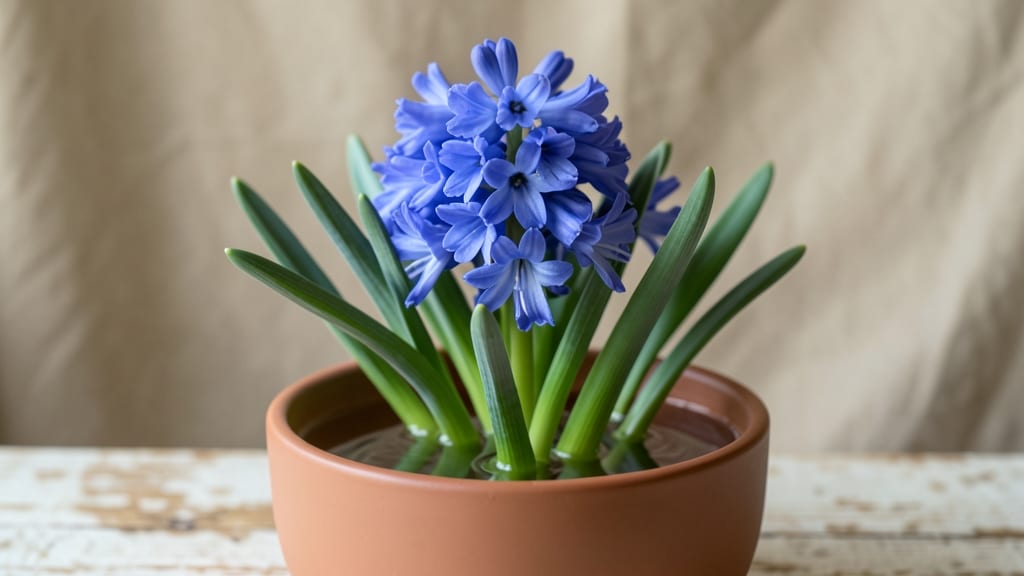
💥 Quick Answer Blue hyacinth grows beautifully in water by producing rich foliage and stunning flowers within 6–12 weeks, as long as it receives bright indirect light for at least 6 hours daily and gets liquid…
💥 Quick Answer You can overwater seeds, which suffocates them by cutting off oxygen and triggers rot or fungal growth before they sprout. Maintain lightly moist—not soggy—soil until germination occurs, then adjust based…
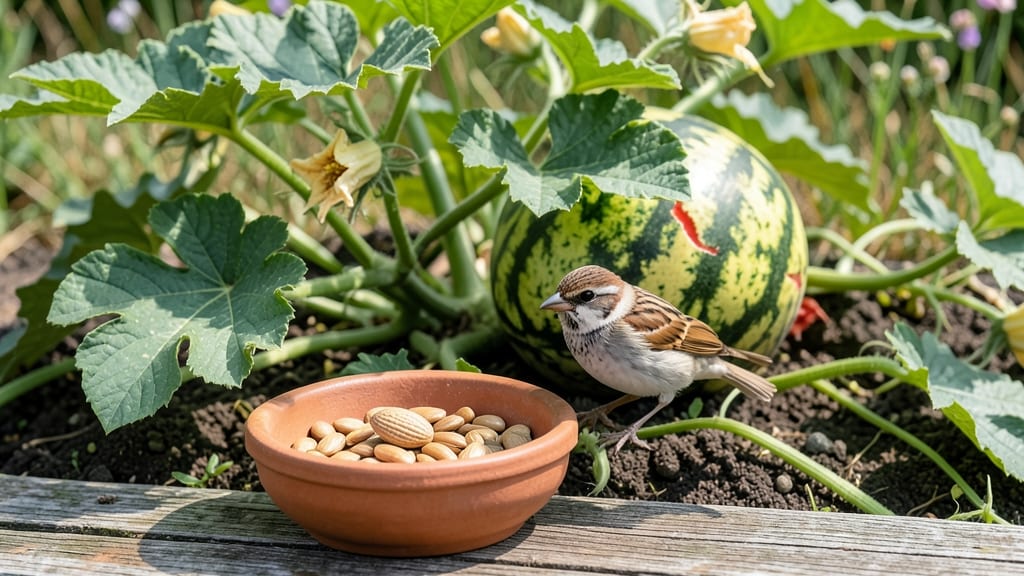
💥 Quick Answer Watermelon seeds are safe for birds to eat in moderation, offering healthy fats, fiber, and protein. However, serve them carefully to prevent digestive issues or choking, particularly for small bird…
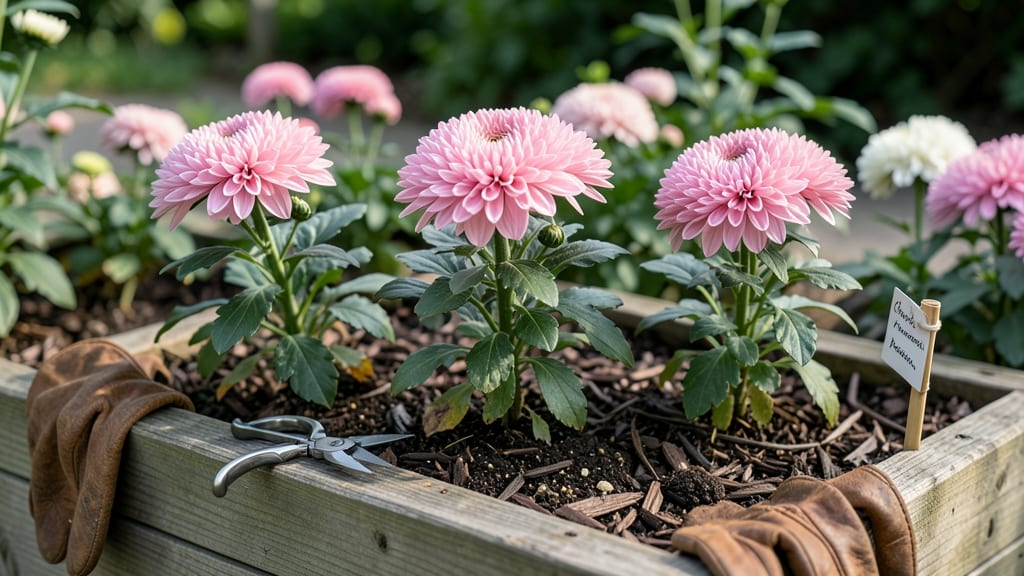
💥 Quick Answer Pelee mums aren't true perennials in most regions; they function as annuals or tender perennials in zones 7-11, typically dying back during cold winters but often returning through self-seeding or with…
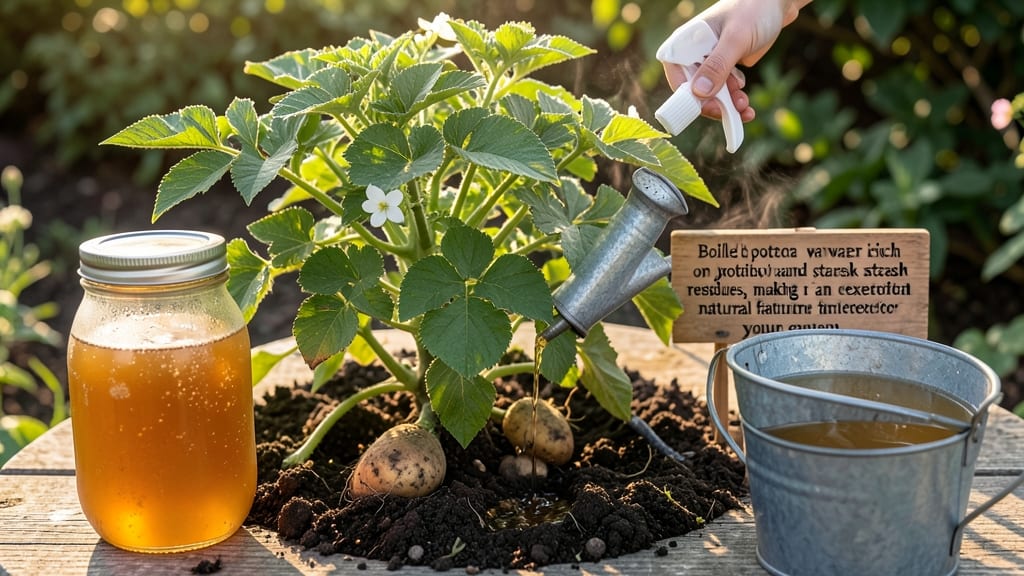
💥 Quick Answer Yes, is boiled potato water good for plants? It can act as a mild fertilizer, providing potassium and starch residues that support growth, but it must be cooled, diluted, and used sparingly to avoid…
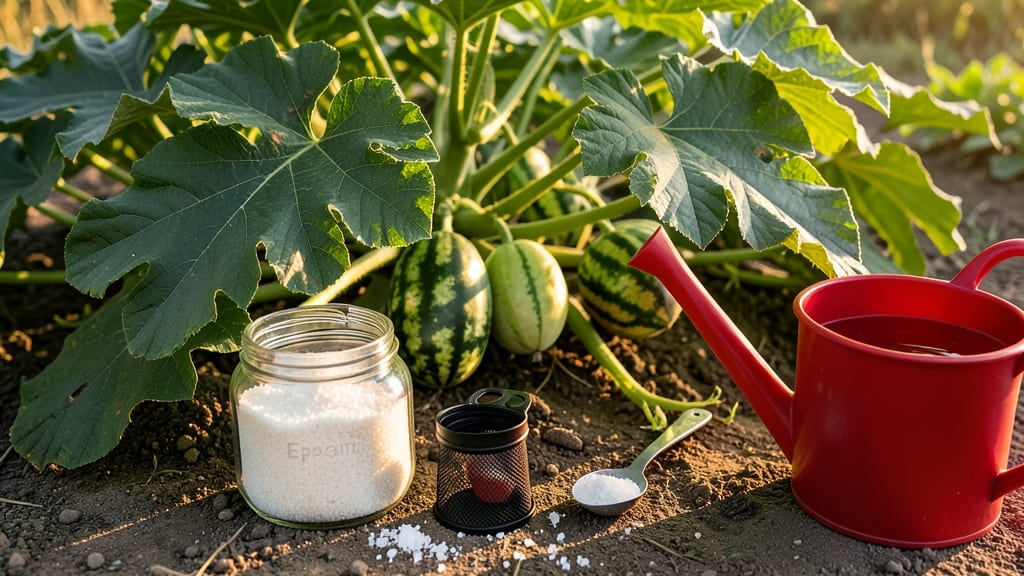
💥 Quick Answer Epsom salt for watermelon plants boosts growth by supplying magnesium and sulfur, which strengthen vines, enhance fruit development, and prevent yellowing leaves from deficiencies. Use it sparingly—1…
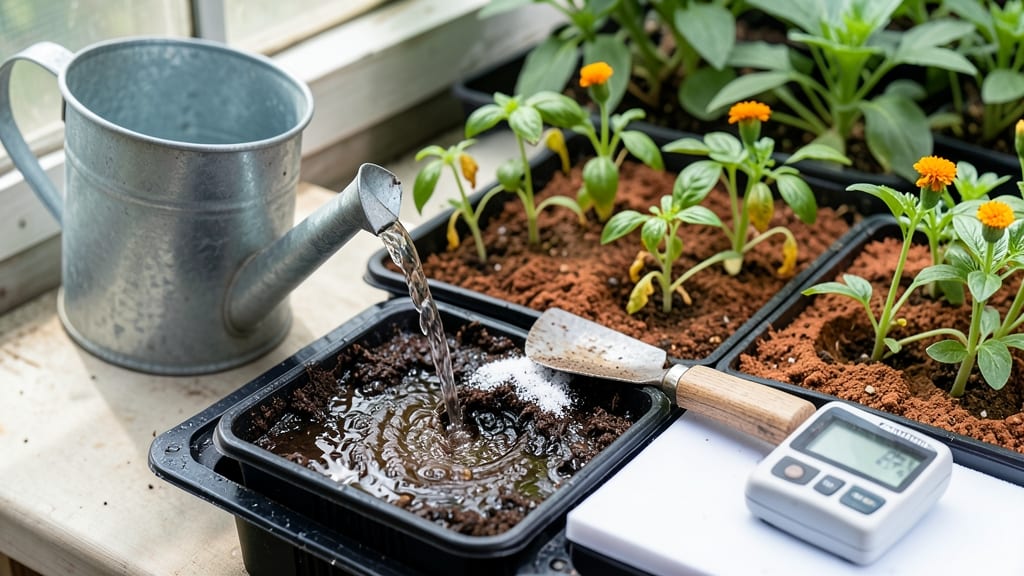
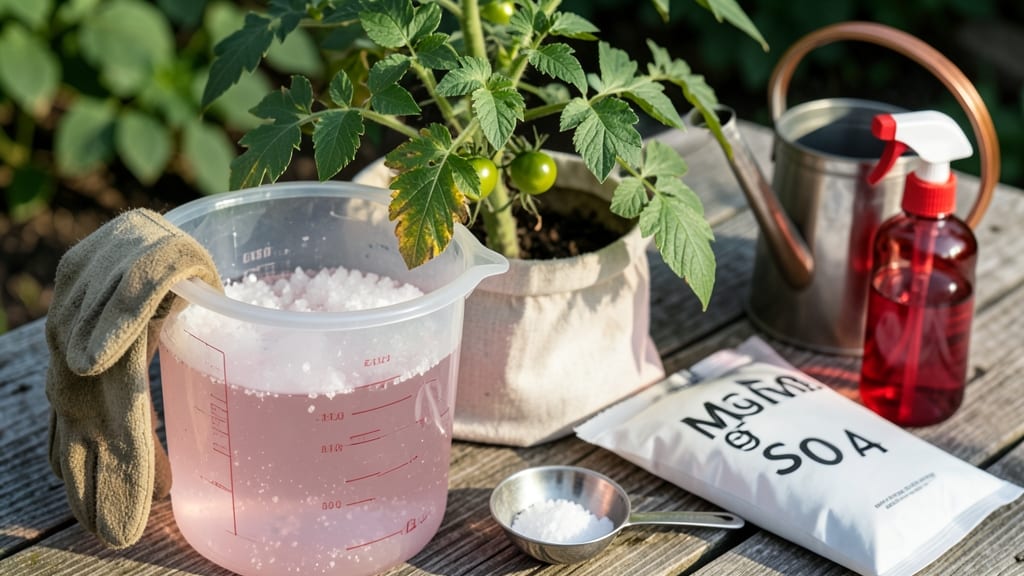
💥 Quick Answer To determine how much Epsom salts per gallon of water for plants, start with 1 tablespoon per gallon for most flowering plants and vegetables, but increase to 2 tablespoons per gallon for magnesium-hungry…
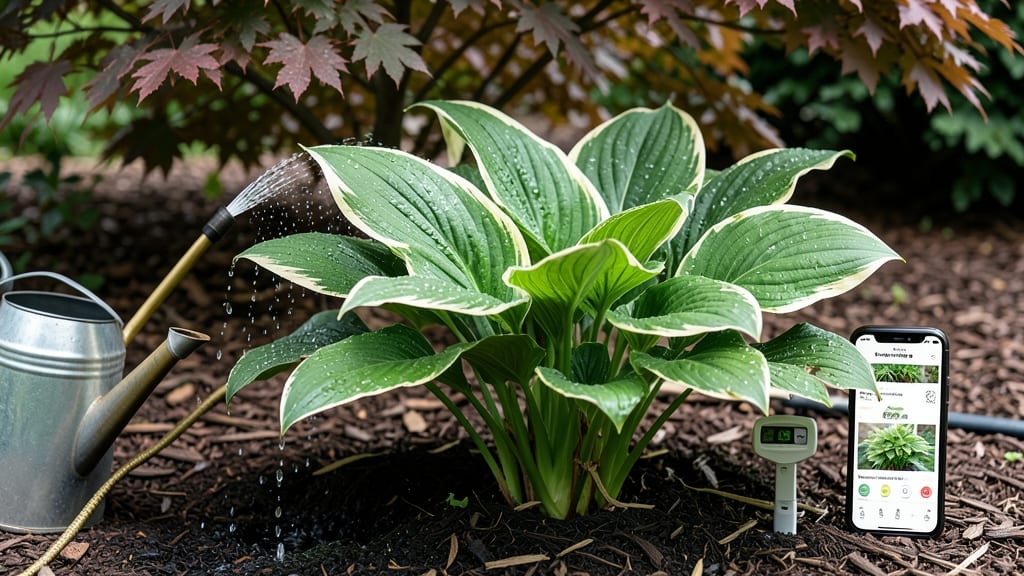
💥 Quick Answer To determine how often hostas should be watered, check when the top 1-2 inches of soil feel dry to the touch, usually every 1-2 weeks based on your climate, soil type, and season. Deep watering…