
Flowers
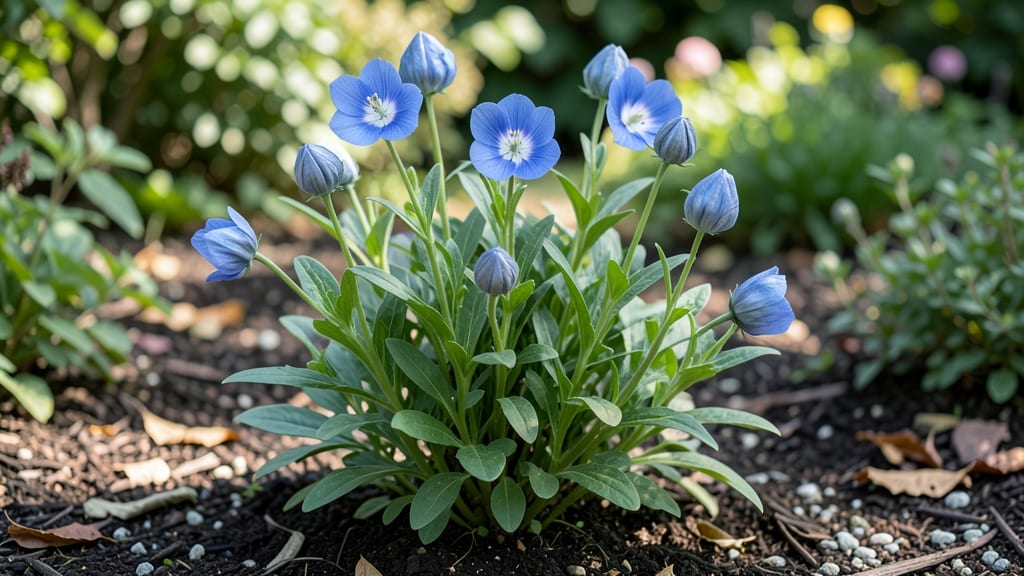
Balloon flower (Platycodon grandiflorus) is a perennial in USDA hardiness zones 3-8, though it may self-seed prolifically, creating an annual-like appearance in some regions. Its bulbous roots return yearly, but cold climates can kill it back to the ground annually before regrowth.
Determining whether balloon flower acts as an annual or perennial comes down to its root system and climate conditions. 🌱 This plant stores energy in thick, fleshy roots that survive winter dormancy, allowing it to regrow each spring—classic perennial behavior.
However, in regions with harsh winters or poor soil drainage, the crown may die back completely, making it seem like an annual. The key difference from true annuals is that balloon flower's roots persist underground, ready to sprout again when conditions improve.
For gardeners, this means you can treat balloon flower like a perennial with proper care—planting at the right depth (about 1 inch below soil level) and using a thick layer of mulch to protect roots during winter. 💛 Unlike true annuals that complete their lifecycle in one season, balloon flower will reward you with years of blooms if given the right growing conditions.
Just be patient, as it may take a full growing season for established plants to reach their full flowering potential.
💡 In This Article
- Balloon Flower’s Perennial Roots and Seasonal Lifecycle
- How to Grow Balloon Flower as a Reliable Perennial
Balloon flower’s perennial roots and seasonal lifecycle
The botanical secret behind balloon flower's perennial nature lies in its specialized root system. Unlike true annuals that complete their lifecycle in one season, balloon flower develops a thick, fleshy taproot that stores nutrients and energy.
This root structure can survive winter dormancy in zones 3-8, allowing the plant to regrow from the same crown each spring. The root system typically reaches depths of 6-12 inches, which helps it access moisture and nutrients even during dry periods. 🌱
During winter dormancy, balloon flower's above-ground growth dies back completely, but the crown and roots remain alive beneath the soil. This is where the confusion with annuals arises—many gardeners mistake the plant's winter dieback for annual behavior.
However, the key difference is that true annuals produce seeds and die entirely, while balloon flower's roots remain viable. In colder zones (like 3-5), the roots may experience partial dieback but often regenerate from protected buds at the base.
The plant's seasonal lifecycle is closely tied to temperature fluctuations. Balloon flower enters dormancy when soil temperatures drop below 40°F, typically in late fall. New growth emerges when soil warms to 50-55°F in spring, with blooming occurring 60-90 days after planting.
This delayed emergence is why some gardeners in marginal zones (like zone 8b) may see it behave more like an annual—it can take 2-3 weeks for the first shoots to appear after winter.
Cold hardiness plays a crucial role in determining longevity. In zone 3, where winters can drop to -30°F, balloon flower may experience more severe dieback but often recovers. The real challenge comes in zone 8, where summer heat and humidity can stress the plant.
Without proper care, the roots may weaken over time, leading to reduced flowering. The plant's natural range in East Asia includes mountainous regions with cold winters, which explains its adaptability to northern climates.
What most gardeners don't realize is how the plant's flowering cycle affects its perennial behavior. Balloon flower typically blooms in early summer (June-July) from buds formed the previous season. After flowering, the plant enters a vegetative phase, building up root reserves for next year's blooms.
This two-year cycle is why some gardeners see reduced flowering in the first year—it's not dying back, but rather focusing energy on root establishment. 💫
Consider these key factors when evaluating perennial performance:
- Root depth: Deeper planting (1-2 inches) improves winter survival by protecting the crown
- Soil moisture: Well-draining soil prevents root rot, which is the #1 cause of premature dieback
- Winter protection: A 3-4 inch layer of mulch can raise soil temps by 5-10°F, extending the growing season
- Spring emergence: Patience is key—wait until soil reaches 55°F before assessing plant health
The plant's ability to self-seed prolifically is another factor that can create an annual-like appearance. When seeds germinate from fallen seed pods, these new plants complete their lifecycle in one season, while the parent plant continues as a perennial.
This dual behavior is why many gardeners see balloon flower acting like both an annual and perennial simultaneously in the same garden. 🌿