I’ve been obsessed with plants since I was a kid, sneaking seeds from my mom’s garden to grow in old tin cans by the back porch. There’s something about watching something small turn into something alive that never gets old. This site is where I share the lessons I’ve learned—from the triumphs (that first tomato!) to the disasters (the time the squash vines took over the whole yard). I aim to make gardening approachable, whether you’re a beginner with a windowsill or a veteran with a full plot.
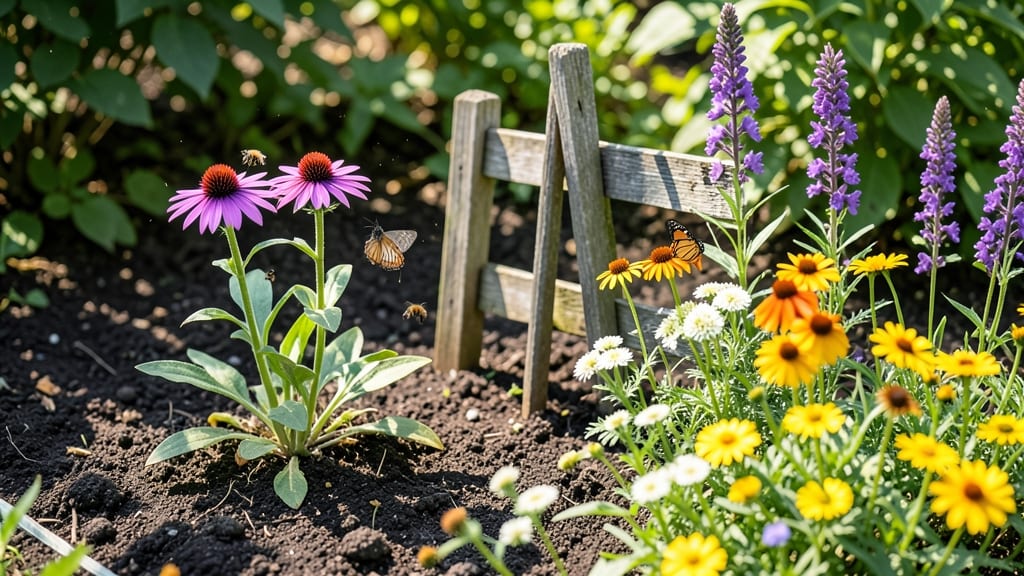
A wildflower perennial mix transforms bare spots into buzzing ecosystems that need almost no care. 🌻 I planted mine last spring and now bees, butterflies, and hummingbirds visit daily—no watering, no weeding, just pure…
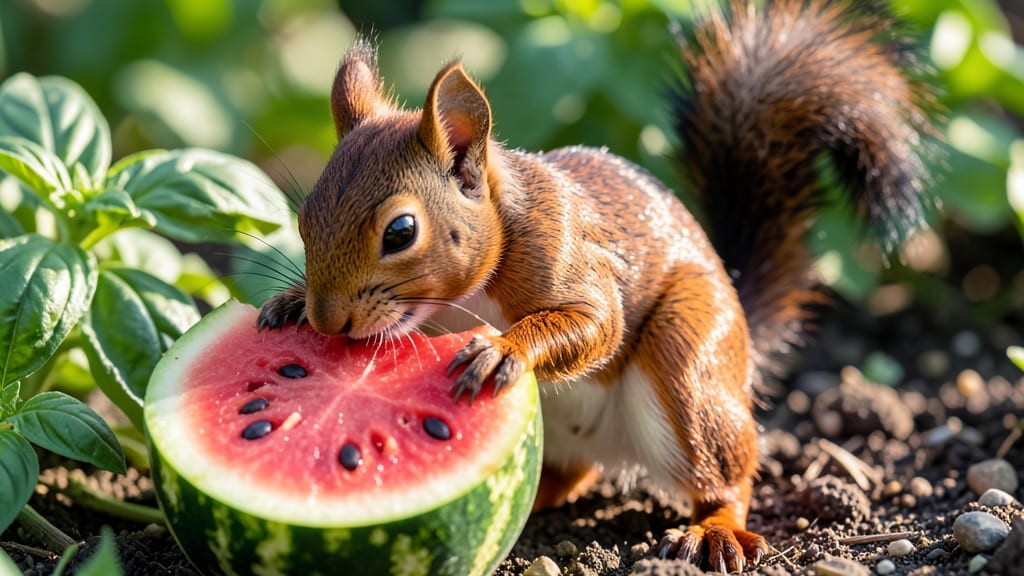
💥 Quick Answer Squirrels do eat watermelon, though they prefer the rinds and seeds over the juicy flesh. The high sugar content attracts them, but the thick skin provides better nutrition and easier chewing for their…
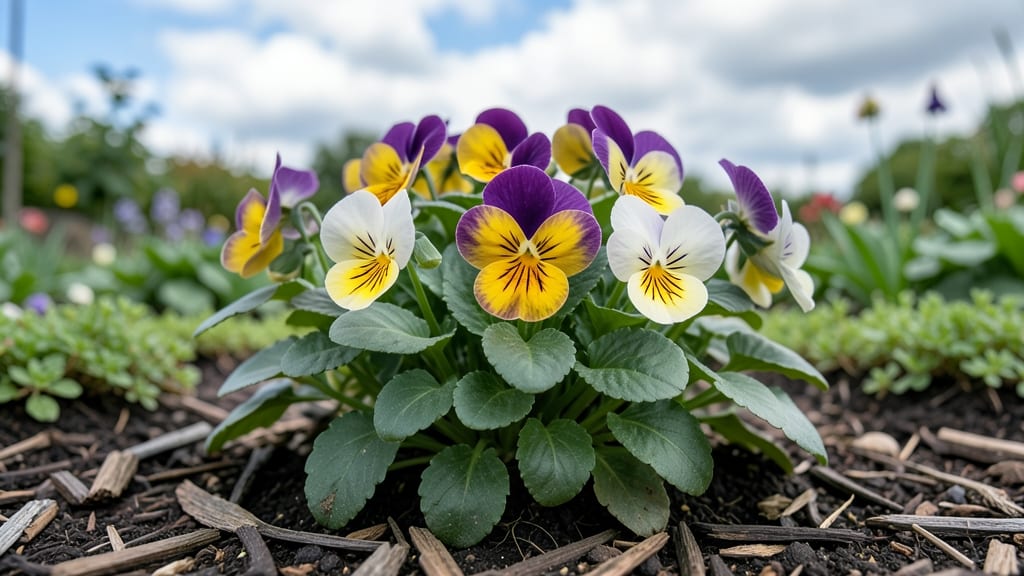
💥 Quick Answer Yes, violas are perennials in most climates, thriving through winter in USDA Zones 4-8, though they often self-seed prolifically. In colder regions (Zones 3 and below), they may die back but regrow from…
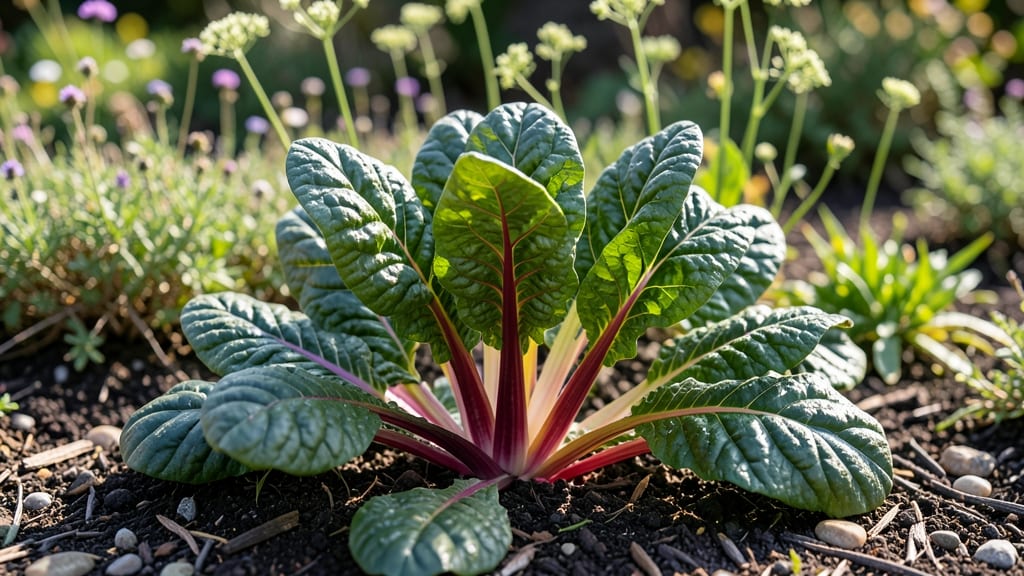
💥 Quick Answer Swiss chard acts as a perennial in frost-free climates but behaves like a biennial or short-lived perennial in cooler regions, where it dies back each winter only to regrow from its hardy crown in spring…
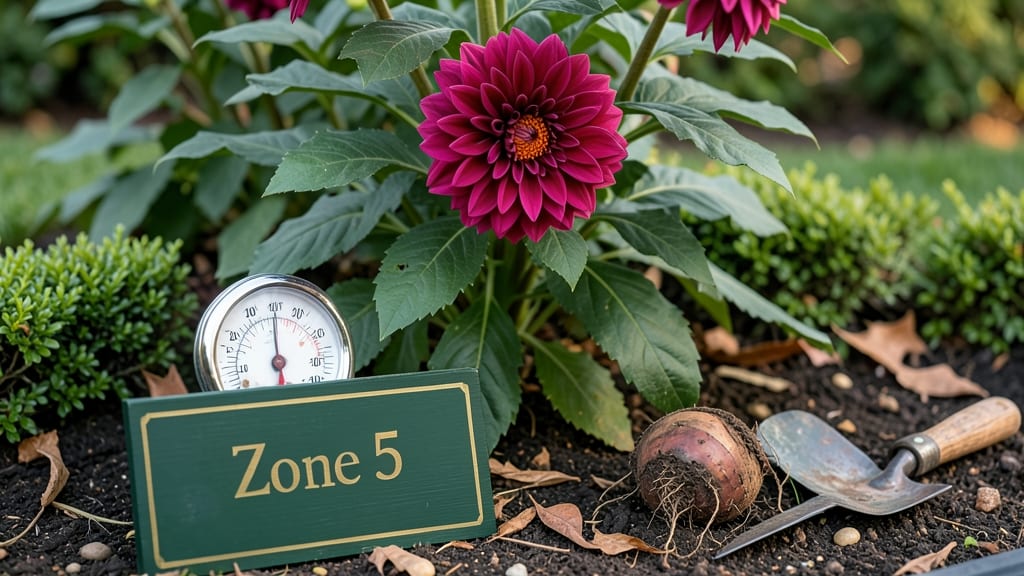
💥 Quick Answer Dahlias are not reliably perennials in Zone 5 without protection, as they typically die back to the ground in winter. However, with proper overwintering—digging and storing tubers—they can regrow each…
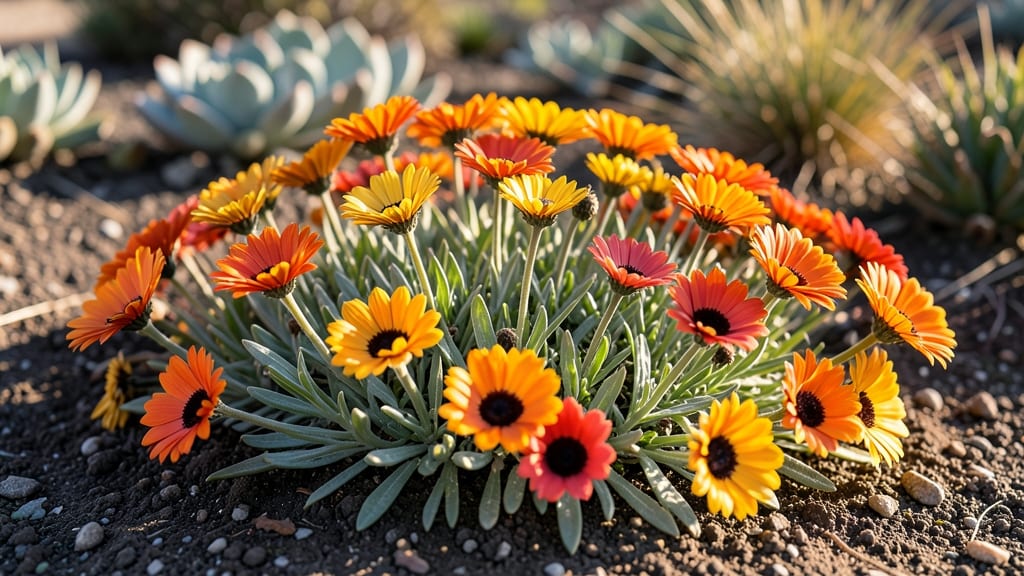
💥 Quick Answer Whether gazania flowers are annuals or perennials depends on your climate: they grow as annuals in most regions but become perennials in USDA zones 10-11, where they survive winter and regrow yearly…
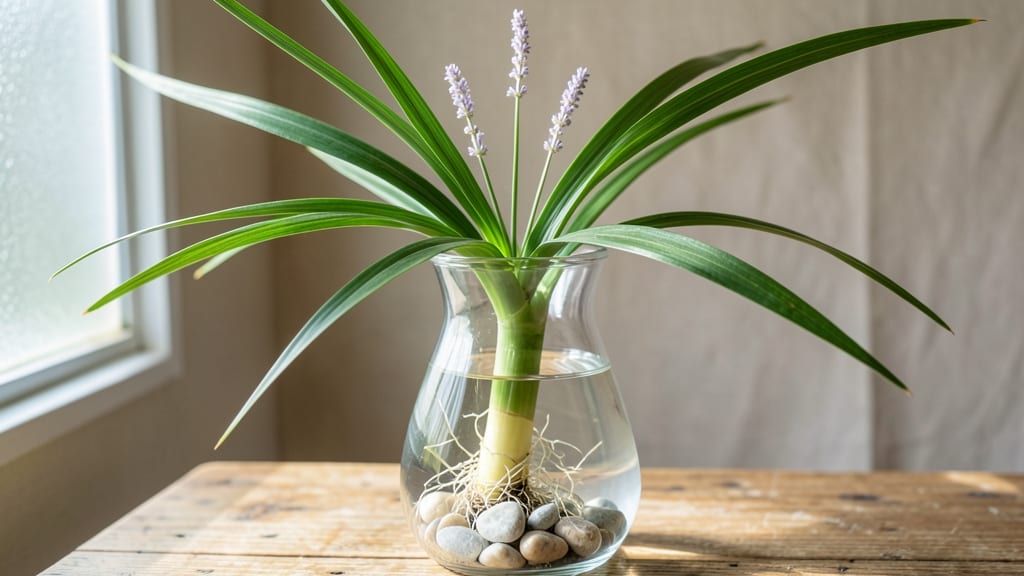
💥 Quick Answer Yes, lemongrass can grow in water using hydroponic propagation, where its roots develop in nutrient-rich water, though yields and growth rates may differ from soil cultivation. Start with healthy stalks…
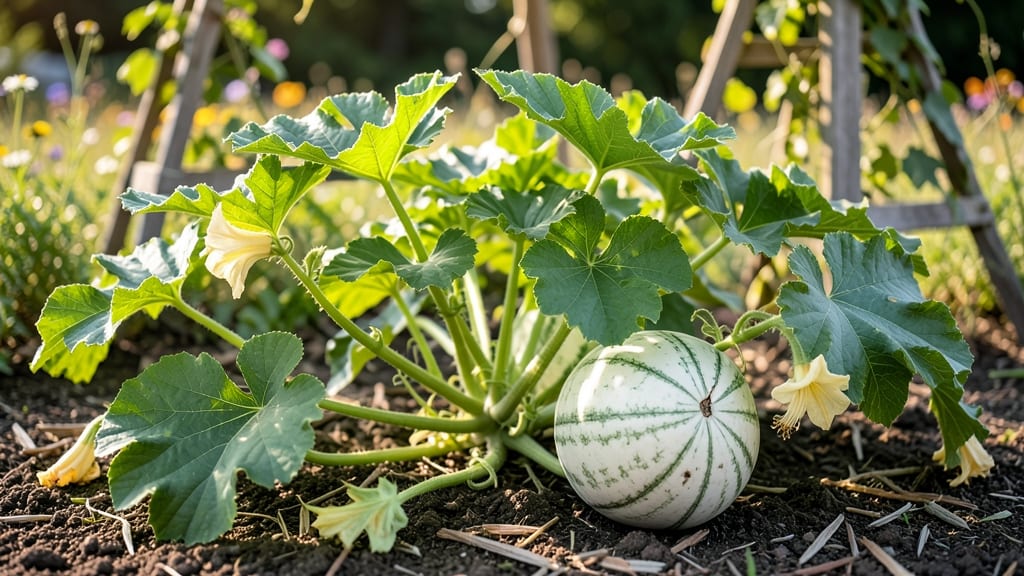
💥 Quick Answer White watermelon seeds grow into vines and produce fruit, but the flesh and rind will always revert to standard green or yellow—genetics determine color, not seed appearance. Planting white watermelon…
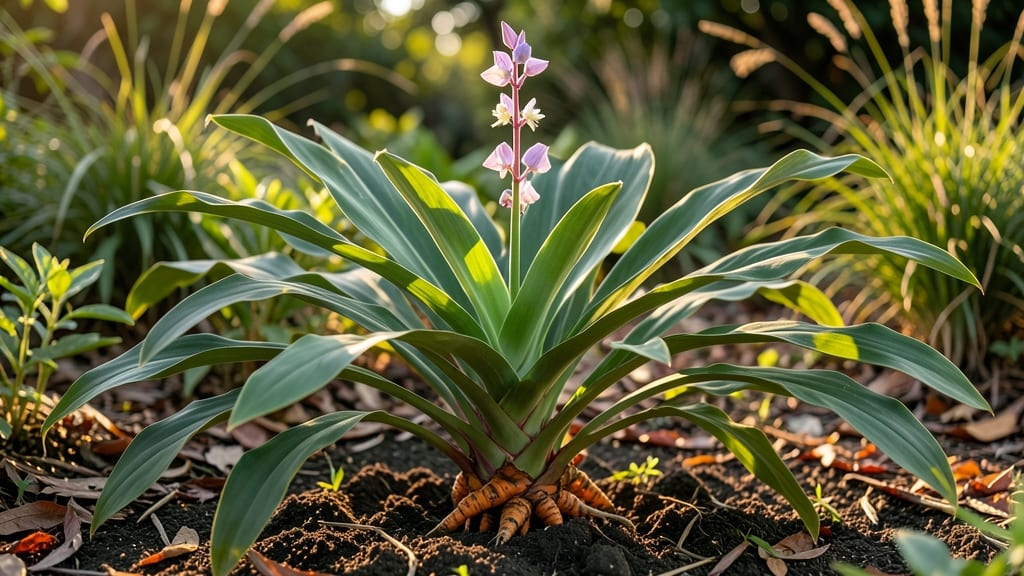
💥 Quick Answer Yes, curcuma ginger is a perennial plant that survives through winter dieback, with its underground rhizomes storing energy to regrow fresh shoots each spring. This natural cycle makes it a hardy…
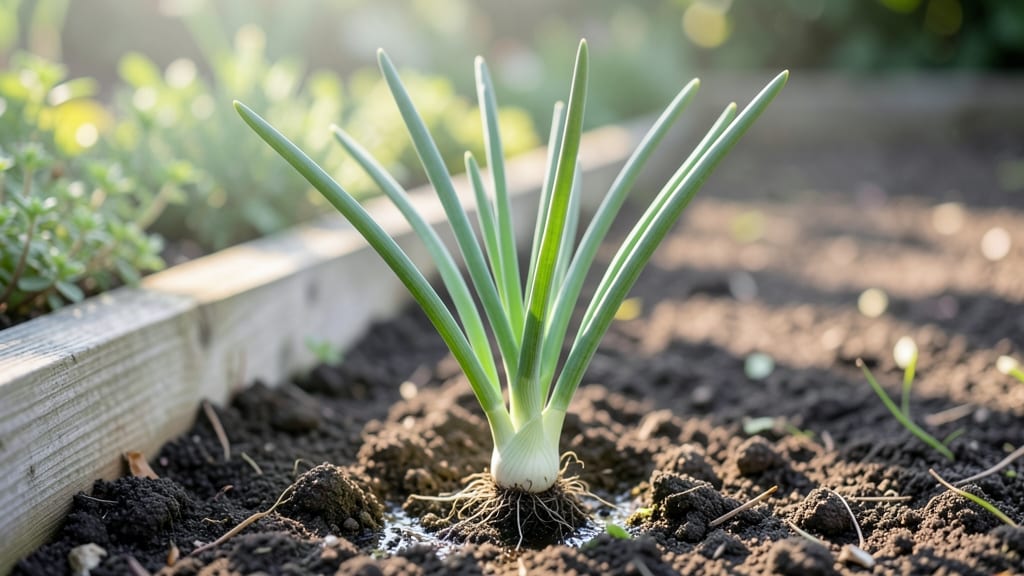
💥 Quick Answer Green onions are perennials, meaning they can regrow from the same root system multiple years if given proper care, though gardeners often treat them as annuals because their harvest window is short and…