
Advice
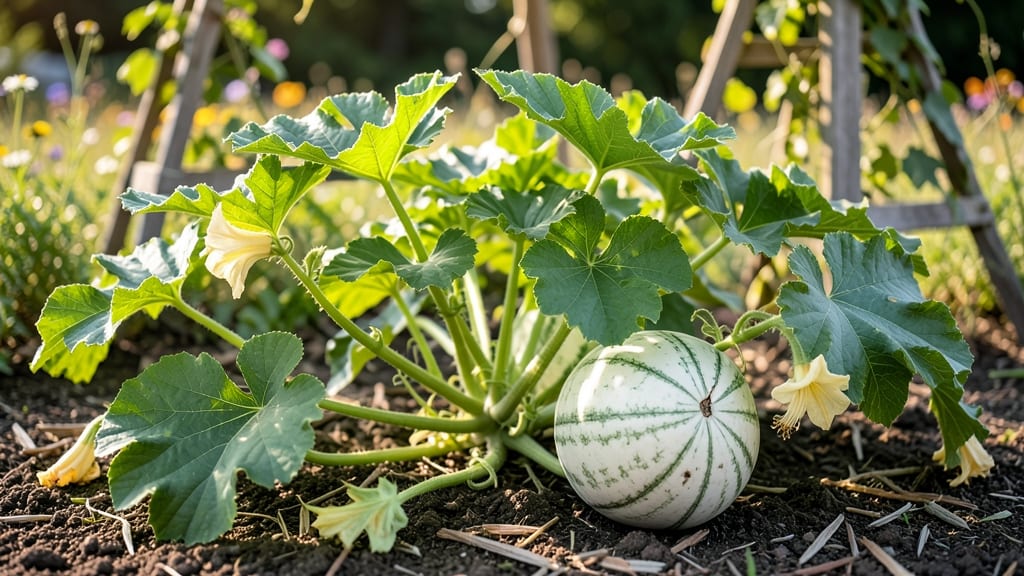
White watermelon seeds grow into vines and produce fruit, but the flesh and rind will always revert to standard green or yellow—genetics determine color, not seed appearance.
Planting white watermelon seeds will indeed yield a healthy crop, but the striking white flesh you expect won't appear. 🌱 The seeds' color is purely cosmetic—it doesn't influence the plant's genetic code.
What matters is the parent plant's DNA, which dictates whether your harvest will feature the familiar green or yellow hues we associate with watermelons. This genetic quirk means even white-seeded varieties will produce fruit matching their ancestral traits.
For gardeners curious about growing watermelons from seeds, the good news is these seeds are just as viable as any others. They'll follow the same growth cycle—sprouting in 5-10 days under warm conditions, flowering in 60-70 days, and bearing fruit in about 75-90 days.
The key difference lies in what you'll harvest: vibrant fruit with the classic watermelon colors, regardless of seed appearance.
💡 In This Article
- Why White Watermelon Seeds Produce Colored Fruit
- How to Grow Watermelons from Seeds: Step-by-Step Guide
Why white watermelon seeds produce colored fruit
Here's what's actually happening at the genetic level: watermelon seed color is controlled by a different set of genes than those responsible for flesh or rind pigmentation.
The white appearance you see in seeds comes from a lack of pigment in the seed coat, which is governed by the Cotyledon Color (C) gene.
Meanwhile, the vibrant green or yellow hues of the fruit are determined by separate genes like Clor (chlorophyll content) and Y (yellow flesh)—these traits are inherited from the parent plant's DNA, not the seed's appearance.
Think of it like this: the seed's color is like the wrapper on a candy bar, while the fruit's color is determined by the recipe inside.
Even if you plant seeds from a watermelon with white flesh, the plant will still produce fruit with the same color patterns as its ancestors.
For example, a seed from a Crimson Sweet watermelon (which has red flesh) will grow into a plant that produces red-fleshed fruit, regardless of whether the seed itself was white or black.
The science gets even more interesting when you consider how pigment develops. Watermelon flesh color comes from two main compounds: chlorophyll (for green hues) and lycopene (for red/orange tones).
The Clor gene controls chlorophyll production in the rind, while lycopene concentration in the flesh is influenced by multiple genes working together. These pigment pathways are completely independent of the seed coat's coloration, which is why you'll never get white-fleshed fruit from seeds that look white.
What most people don't realize is that even hybrid watermelons follow these same genetic rules. Those beautiful white seeds you might find in store-bought watermelons come from carefully bred varieties where seed appearance was prioritized for consumer appeal, but the fruit's genetics remain unchanged.
This is why you'll often see watermelons with black seeds producing white-fleshed fruit—the seed color is purely cosmetic!
There's one important exception to this rule: if you're working with heirloom varieties that have been specifically bred for white flesh AND white seeds, you might see some consistency—but these are rare and require specialized breeding.
Most commercial watermelons you encounter will follow the standard genetic pattern where seed appearance doesn't determine fruit color.
For gardeners curious about this phenomenon, it's worth noting that the Y gene (which controls yellow flesh) is actually a recessive trait—meaning it can be "hidden" in the genetic code.
This is why you might occasionally see unexpected color variations in homegrown watermelons, even when planting seeds from fruit that appeared uniformly colored.