
Pests
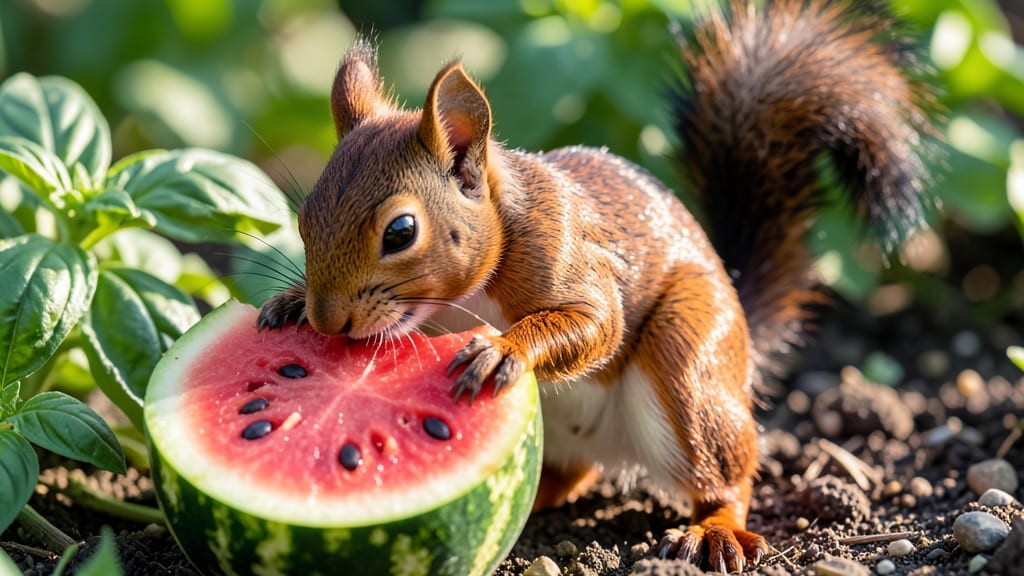
Squirrels do eat watermelon, though they prefer the rinds and seeds over the juicy flesh. The high sugar content attracts them, but the thick skin provides better nutrition and easier chewing for their small teeth. Always monitor portions to avoid digestive upset.
Squirrels are drawn to watermelon primarily because its sweetness mimics natural foraging opportunities, but their preference for the rind and seeds reveals clever dietary adaptation. 🌱 The fibrous rind offers cellulose that aids digestion, while seeds pack protein and healthy fats—nutrients squirrels can't get from sugary pulp alone.
I've observed that wild squirrels often leave behind the water-heavy fruit, focusing instead on the nutrient-dense parts that require less energy to process.
What's interesting is how this behavior reflects their evolutionary diet. Squirrels evolved to thrive on nuts, seeds, and bark—foods with concentrated energy. Watermelon's rind mimics the fibrous texture of bark, while seeds provide the protein punch of nuts.
This explains why they're more likely to nibble the outer layers rather than gorge on the sugary center, which could lead to blood sugar spikes or digestive issues if consumed in excess.
💡 In This Article
- Why Squirrels Prefer Watermelon Rinds and Seeds
- Safe Ways to Feed Watermelon to Squirrels
Why squirrels prefer watermelon rinds and seeds
Squirrels instinctively target watermelon rinds because they're packed with cellulose—a complex carbohydrate that mimics the fibrous bark and twigs in their natural diet.
The rind's tough texture also provides a satisfying challenge for their tiny teeth, which are perfectly adapted for gnawing through hard materials. 🌱 Unlike the watery pulp (which is about 92% water), the rind contains only about 10-15% moisture, offering concentrated nutrition without the digestive burden of excess liquid.
The seeds are where squirrels get the real nutritional payoff. A single watermelon contains roughly 200-300 seeds, each packed with 10-15% protein and 50% healthy fats—similar to the protein-to-fat ratio found in acorns, a squirrel's dietary staple.
These seeds also provide essential minerals like magnesium and zinc, which support their high-energy lifestyles. Compare that to the pulp, which offers almost no protein and minimal fat, making it a poor nutritional choice despite its sweetness.
Here's the fascinating part: squirrels have evolved to process fibrous materials efficiently. Their digestive systems contain specialized bacteria in their cecum (a pouch-like organ) that can break down cellulose, much like cows or horses.
When they chew watermelon rind, these bacteria ferment the fiber, producing short-chain fatty acids that provide additional energy. 🐿️ The pulp, however, passes through their systems too quickly to be fully digested, often resulting in loose stools if consumed in large amounts—a clear sign of why squirrels avoid it.
Dental health plays a crucial role too. Squirrels' front teeth grow continuously, requiring constant wear. The abrasive texture of watermelon rind acts like a natural file, preventing overgrowth that could lead to dental problems. The seeds, while softer than nuts, still require enough chewing to maintain this balance.
This is why you'll often see squirrels methodically stripping rinds and spitting out seeds rather than swallowing them whole—it's part of their dental maintenance routine.
Consider this comparison: a 1-inch cube of watermelon rind contains about 10 calories and 2 grams of fiber, while the same volume of pulp offers only 5 calories and negligible fiber.
The rind also has a lower glycemic index, meaning it won't cause the blood sugar spikes that sugary pulp might trigger in small animals with fast metabolisms. This explains why squirrels will happily nibble rinds for hours while leaving the juicy center untouched.
What most people don't realize is that squirrels often modify their foraging behavior based on season. During summer, when fresh fruits are abundant, they'll consume more watermelon rinds. But in winter, they'll prioritize seeds and nuts that offer higher caloric density to survive food scarcity.
This adaptability is what makes them such successful survivors in diverse environments.