
Flowers
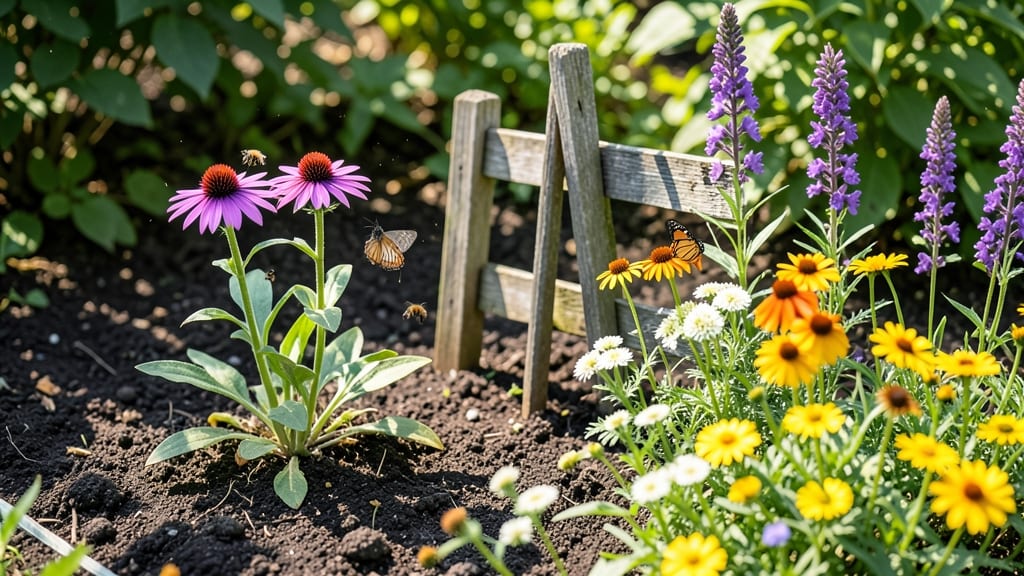
A wildflower perennial mix transforms bare spots into buzzing ecosystems that need almost no care. 🌻 I planted mine last spring and now bees, butterflies, and hummingbirds visit daily—no watering, no weeding, just pure color year after year.
The secret lies in choosing native species that thrive in your climate without fighting for survival. This isn't just pretty flowers; it's a self-sustaining garden that spreads naturally, reducing your workload while supporting local wildlife.
Perfect for meadows, borders, or even large containers, it adds texture and movement that annuals can't match. My mix includes black-eyed Susans, coneflowers, and milkweed—all pollinator magnets that bloom from early summer through fall. You'll end up with a garden that looks fuller every season, with minimal effort.
The roots establish deep, drought-resistant systems, and the seeds self-sow for future generations. Even my black thumb can't kill this combination—it just keeps coming back stronger. Works in full sun to partial shade, from wild meadows to urban courtyards.
Here's how to choose the right mix for your space and climate!
📚 In This Guide
- What you need
- Instructions
- Tips and common mistakes
- Wrapping up and next steps
What you need
- ● Wildflowers Perennial Mix Seeds: 1–5 lbs (depending on coverage area; ~1 lb covers ~1,000 sq ft for full sun, ~2 lbs for partial shade). Choose a native or regionally adapted mix for best results!
- ● Garden Gloves: A pair of durable, breathable gloves to protect your hands from thorns and soil.
- ● Garden Rake or Hoe: For loosening soil and removing weeds or debris.
- ● Hand Trowel or Transplanting Spade: For digging small holes or spreading seeds evenly.
- ● Watering Can or Hose with Adjustable Nozzle: A gentle spray setting is ideal for seed dispersal.
- ○ Mulch (Optional but Helpful): Straw or shredded leaves (1–2 inches) to retain moisture and suppress weeds.
- ● Compost or Fertilizer (Low-Phosphorus): A balanced, organic option (e.g., 5-5-5 or compost tea) to enrich soil without overfeeding.
- ● Seedling Trays or Biodegradable Pots: For starting seeds indoors (if planting early in the season).
- ● Row Cover or Lightweight Fabric: To protect newly planted seeds from birds or harsh weather.
- ● Soil Test Kit: To check pH and nutrient levels (ideal pH for wildflowers: 6.0–7.5).
- ● Wildlife-Friendly Additions: Small rocks or pebbles for drainage, or a bird feeder to attract pollinators!
Step-by-step guide to planting a wildflowers perennial mix
Here’s how to establish a self-sustaining meadow that blooms reliably for seasons.
🌱 Step 1: Choose the Right Location and Prepare the Soil
Select a sunny spot with at least 6 hours of direct sunlight daily—most wildflower perennials thrive in full sun but tolerate partial shade. Avoid areas with heavy foot traffic or competing vegetation. Test your soil’s pH; wildflowers prefer slightly acidic to neutral soil (pH 6.0-7.0). If your soil is compacted or clay-heavy, loosen the top 6 inches with a broadfork or tiller to improve drainage.
Remove existing weeds and grass by hand or with a glyphosate-free herbicide applied 4-6 weeks before planting. This prevents competition that could choke out your wildflowers. I like to mark the planting area with stakes to visualize the space—wildflower mixes spread, so plan for 1,000-1,500 square feet per pound of seed for a dense meadow effect.
💧 Step 2: Scatter Seed Evenly and Lightly Rake
Spread the wildflower seed mix evenly across the prepared soil, aiming for a coverage rate of 1/4 to 1/2 pound per 1,000 square feet. For a natural look, scatter by hand rather than using a spreader—this mimics how wildflowers disperse naturally. If your mix contains large seeds (like poppies or coneflowers), press them 1/4 inch deep into the soil with your hand or a light rake. Tiny seeds (like clover or phlox) need only a very light covering—just enough to obscure them from birds.
Use a stiff-bristled rake to gently work the seeds into the top layer of soil without burying them. This ensures good soil contact for germination while keeping them exposed to light. Water the area lightly immediately after scattering to settle the seeds into place. Avoid heavy watering—it can wash seeds away or bury them too deeply.
☀️ Step 3: Water Consistently Until Establishment
Keep the soil consistently moist but never soggy for the first 4-6 weeks—this is critical for germination. Water deeply 2-3 times per week, aiming for 1/2 inch of water per session. Use a gentle sprinkler or soaker hose to avoid displacing seeds. You’ll see the first sprouts emerge in 2-4 weeks, but don’t be surprised if some take longer—wildflower mixes vary in germination rates.
Once seedlings reach 2-3 inches tall, reduce watering to once a week (or when the top inch of soil feels dry). Overwatering at this stage can lead to fungal issues like damping-off. Let nature take over—wildflowers are drought-tolerant once established, so resist the urge to coddle them with frequent watering.
✂️ Step 4: Allow Blooms to Set Seed and Maintain Minimally
Resist the urge to deadhead spent blooms in the first year—letting flowers go to seed ensures your perennial mix self-sows and thickens over time. In subsequent years, you can deadhead selectively to encourage a second flush of blooms or leave seed heads for winter interest. Mow the area once a year in late fall or early spring, cutting back to 4-6 inches tall to prevent weed invasion and encourage new growth.
Fertilize lightly in early spring with a low-nitrogen, balanced fertilizer (10-10-10) at half strength. Wildflowers don’t need rich soil—they thrive in lean conditions. Divide clumps every 3-5 years if your meadow becomes overcrowded, sharing extras with fellow gardeners. The goal is low-maintenance beauty, so let the perennials do the work for you.
🌿 Step 5: Enjoy Year-Round Interest and Plan for Expansion
Your perennial wildflower mix will reward you with 3-5 years of continuous blooms, though some species (like black-eyed Susans) may naturalize and spread aggressively. Monitor the meadow for invasive species—pull any that don’t match your original mix. In late summer, you might spot seed pods forming; these are your free plants for next year’s display.
To expand your meadow, simply scatter additional seed in bare spots or along edges. Over time, your wildflower patch will evolve into a dynamic, self-sustaining ecosystem that supports pollinators and wildlife. The key is patience—wildflowers build their presence gradually, but once established, they require almost no effort to maintain.
Tips & tricks for perfect wildflower meadow establishment
Turning your yard into a vibrant wildflower haven takes more than just scattering seeds—these insights will help you create a thriving perennial meadow that lasts for years.
Site Selection Strategy: While the instructions emphasize full sun, I’ve found that even partial shade areas (with at least 3-4 hours of sunlight) can support certain wildflower species like asters and goldenrod. Test your spot by observing how much sun it gets throughout the day—this will determine which seed mix you should choose. For clay-heavy soils, consider amending with compost before planting to improve drainage and root development.
Seed Scattering Technique: The instructions mention scattering seeds by hand, but I’ve discovered a simple trick for larger areas: mix your seeds with sand (about 10 parts sand to 1 part seed) to create a visual guide. This helps you see where you’ve planted and ensures even distribution. For windy conditions, scatter seeds on a calm day or use temporary stakes to mark planting zones. Remember, those tiny seeds need just enough soil contact to germinate—no need to bury them!
Germination Timing Insight: The critical 4-6 week watering window can feel like forever, but here’s what to watch for: most seeds will sprout within 2-3 weeks if conditions are ideal, but some species (like poppies) may take up to 6 weeks. If you see no sprouts after 6 weeks, check for moisture—dry soil is the #1 reason for failed germination. A gentle sprinkle of water over the area can help wake dormant seeds.
Post-Establishment Maintenance: Once your meadow is established, the instructions suggest mowing once a year—but I’ve found that timing matters more than frequency. Mow in late fall or early spring when plants are dormant, and never cut back more than 1/3 of the plant’s height. This prevents stress and encourages new growth. For pollinator support, consider leaving some areas unmowed to provide habitat for bees and butterflies.
Pro Tips for Wildflowers Perennial Mix
- Turning your yard into a vibrant wildflower haven takes more than just scattering seeds—these insights will help you create a thriving perennial meadow that lasts for years.
- Site Selection Strategy: While the instructions emphasize full sun, I’ve found that even partial shade areas (with at least 3-4 hours of sunlight) can support certain wildflower species like asters and goldenrod.
- Seed Scattering Technique: The instructions mention scattering seeds by hand, but I’ve discovered a simple trick for larger areas: mix your seeds with sand (about 10 parts sand to 1 part seed) to create a visual guide.
Frequently asked questions
Got questions about wildflower perennial mixes?
You’re not alone! Here are some of the most common queries—plus straightforward answers to help you grow with confidence.
When is the best time to plant a wildflower perennial mix?
Plant your mix in early spring (after the last frost) or late summer to early fall (6–8 weeks before the first frost). These windows give seeds time to establish roots before harsh weather. Avoid planting in extreme heat or drought—seeds need moisture to germinate!
How much water do wildflowers need once established?
Once your mix is fully grown (after 1–2 years), wildflowers are drought-tolerant! Water deeply 1–2 times per week during the first growing season, then reduce to once every 2–3 weeks (or rely on rainfall). Overwatering can harm roots—let the soil dry slightly between waterings.
Will wildflowers attract bees or other pests?
Yes—but it’s a good thing! Wildflowers are pollinator magnets, supporting bees, butterflies, and hummingbirds. To minimize pests, avoid over-fertilizing (they thrive in poor soil) and deadhead spent blooms. If aphids appear, a strong spray of water usually does the trick!
Can I mow wildflowers after they bloom?
Mow after flowering (late summer/fall) to prevent seed spread if you want to control growth. Cut back to 4–6 inches tall to encourage new growth. Avoid mowing in early spring—you might trim back emerging foliage or seeds before they sprout.
What if my wildflowers don’t come back next year?
Don’t worry—some perennials take 2–3 years to fully naturalize. If coverage is sparse, reseeding in spring or lightly raking the soil to expose fresh seeds can help. Poor soil or heavy foot traffic may also stunt growth—amend with compost if needed!
Wrapping up and next steps
Transforming your garden into a vibrant, low-maintenance oasis with a wildflowers perennial mix is easier than you think—and the rewards are endless! 🌸 From supporting pollinators to cutting down on water bills, these hardy blooms bring color, life, and sustainability to your space.
Whether you’re a seasoned gardener or just starting out, the key is to embrace patience and enjoy the process.
Ready to take the next step? Start small—pick a sunny patch, gather your supplies, and sow those seeds with confidence! Soon, you’ll be rewarded with a garden that thrives on its own, year after year. Happy planting! 🌱