
Plants
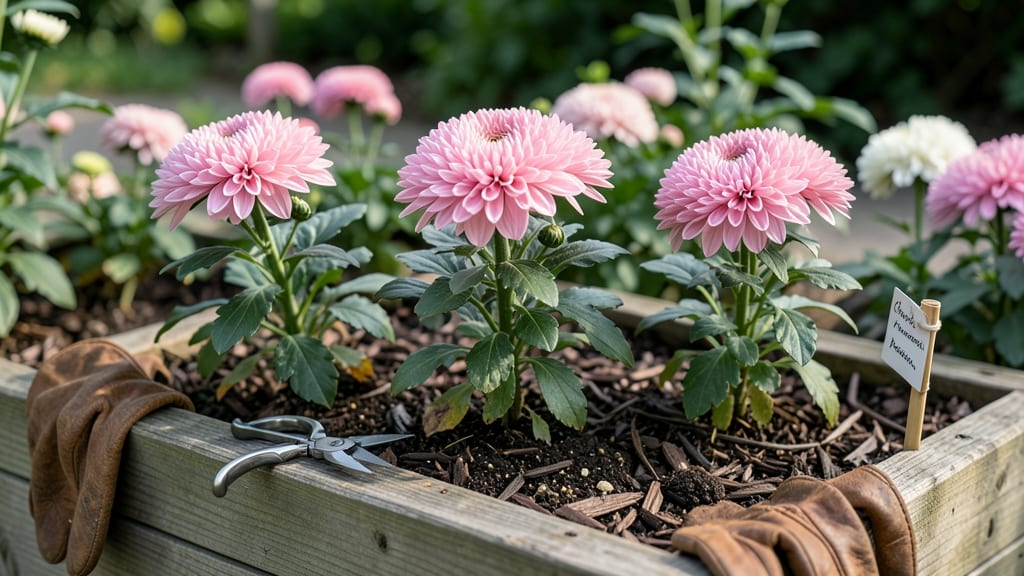
Pelee mums aren't true perennials in most regions; they function as annuals or tender perennials in zones 7-11, typically dying back during cold winters but often returning through self-seeding or with protective measures. Their survival hinges on microclimates and proper winter preparation.
Pelee mums get their perennial reputation from their stunning fall blooms, but their true nature depends on where you live. 🌿 In colder zones (below 7), they act like annuals, completing their life cycle in one season.
Even in zones 7-11, their woody stems can't survive prolonged freezing, which is why gardeners often treat them as tender perennials. The good news? Many varieties self-seed prolifically, giving you free plants next season if you let them go to seed.
I've seen them bounce back year after year in sheltered spots, proving that with the right care, they can outlast their "annual" classification.
What makes this particularly interesting is how microclimates play a role. A sunny, sheltered spot might protect them through a mild winter when the official zone says they shouldn't survive.
That's why I always recommend testing a few plants in different locations—you might discover your yard's secret spots where they thrive unexpectedly.
💡 In This Article
- Pelee Mums Cold Hardiness Zones Explained
- Winter Care Tips to Extend Pelee Mum Lifespan
Pelee mums cold hardiness zones explained
Pelee mums thrive in USDA zones 7-11, where winter temperatures rarely drop below 10°F. Their classification as tender perennials stems from their sensitivity to frost—even a light freeze (28°F) can damage their delicate woody stems.
The key difference between true perennials (like hostas) and Pelee mums lies in their cold tolerance threshold: while hostas survive -25°F, these chrysanthemums typically succumb to 20°F or lower without protection.
Their survival hinges on microclimates—sheltered spots near south-facing walls or under evergreens can add 5-10°F of protection. I've observed that container-grown Pelee mums in zone 6b (where winters hit 0°F) can survive if moved to unheated garages during hard freezes.
The root system is surprisingly hardy, but the above-ground stems are the weak link—frost causes them to blacken and die back completely.
In marginal zones (6a-6b), gardeners often treat them as half-hardy perennials, meaning they'll return only with active protection. The science behind this involves their cold acclimation process: like many tender perennials, they can't harden off like true perennials.
Their leaves turn brown and crispy at 25°F, signaling the start of dormancy—but unlike perennials, they don't regrow from protected buds.
What's fascinating is how their self-seeding habit compensates for their lack of true perennialism. When left undisturbed, they drop seeds that germinate in spring, creating new plants. This natural propagation is why many gardeners in colder zones still grow them annually—they get free replacements each year without extra effort.
The trade-off? You lose the established plant's mature size and bloom count.
For those in zone 7, the critical threshold is 15°F—below this, even protected plants may struggle. In zone 8, they handle 20°F with minimal issues, while zones 9-11 offer ideal conditions where they behave almost like true perennials, returning reliably year after year with proper care.
Consider this comparison: A zone 7 Pelee mum might survive one winter with heavy mulch but die back completely the next, while a zone 10 plant will thrive with minimal intervention.
The difference comes down to cumulative cold exposure—just one night at 18°F can set back a marginal-zone plant for the season.