
Watering
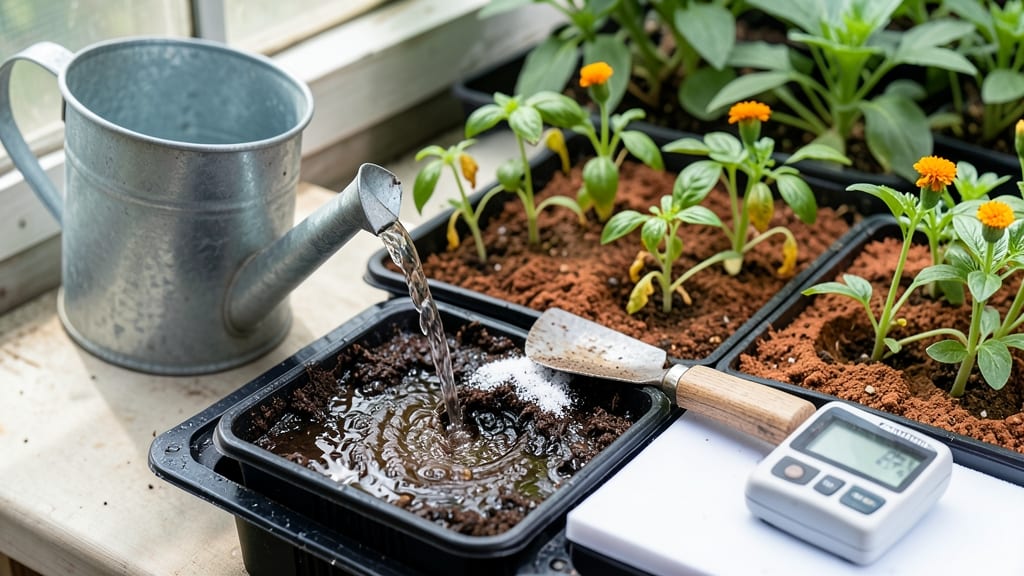
You can overwater seeds, which suffocates them by cutting off oxygen and triggers rot or fungal growth before they sprout. Maintain lightly moist—not soggy—soil until germination occurs, then adjust based on seed type and your climate.
Overwatering creates an anaerobic environment where seeds can't breathe, essentially drowning them before they even begin to grow. 🌱 The excess moisture also promotes harmful bacteria and fungi that attack tender seed coats. I've learned that most seeds prefer soil that feels like a wrung-out sponge—damp but not dripping.
For example, delicate seeds like lettuce need barely moist conditions, while heartier beans tolerate slightly more moisture once they've sprouted.
Here's the key: check soil moisture daily by pressing your finger about half an inch deep. If it feels damp but not wet, you're in the safe zone. Using a spray bottle instead of pouring water helps distribute moisture evenly without creating waterlogged pockets.
Remember, every seed type has unique needs—some tropical varieties actually prefer slightly higher humidity, while cold-weather seeds need drier conditions to prevent rot.
💡 In This Article
- How Overwatering Damages Seed Germination
- Proper Watering Techniques for New Seeds
How overwatering damages seed germination
When you overwater seeds, you're essentially drowning them by creating an anaerobic environment where oxygen can't reach the seed's cells. Seeds require oxygen for cellular respiration—the process that releases energy for germination. Without it, the seed's metabolic processes shut down, and enzymes that break down stored nutrients can't activate.
This is why seeds left in soggy soil often fail to sprout despite appearing "wet enough." 🔥 The damage happens at the cellular level, where water displaces air pockets in the soil, suffocating the seed before it even begins to grow.
The problem worsens because excess moisture triggers harmful microbial activity. Fungi like Pythium and bacteria such as Erwinia thrive in waterlogged conditions, attacking tender seed coats and embryonic tissues. You'll often see fuzzy mold growth or a foul odor—these are clear signs of microbial invasion.
For example, tomato seeds left in overly wet soil can develop a black, mushy rot within 48 hours, while delicate herbs like basil may simply refuse to break through the soil surface.
The ideal soil moisture for germination is about 60% water content by volume, similar to a wrung-out sponge—any higher, and oxygen levels drop below the 10% threshold needed for healthy seed respiration.
Another critical factor is how water affects seed coatings. Many seeds have protective layers that regulate moisture intake. When submerged in excess water, these layers break down prematurely, exposing the embryo to pathogens.
This is why seeds planted too deeply often fail—water accumulates around them, creating the perfect storm of suffocation and infection. Even after germination, overwatered seedlings develop weak stems that can't support their own weight, leading to "damping-off" disease where the stem rots at the soil line.
The key is maintaining that delicate balance where roots can access moisture but the seed's environment remains aerated.
Different seed types have varying tolerances, but the science remains consistent: oxygen deprivation and microbial growth are the primary culprits. For instance, large seeds like beans have more stored energy and can tolerate slightly wetter conditions than tiny lettuce seeds, which need near-perfect moisture control.
The damage isn't always immediate—some seeds may appear fine for days before suddenly collapsing due to internal rot. This delayed reaction is why many gardeners overcompensate, thinking "more water is better," when in fact it's the opposite. 💫
Consider this comparison: healthy seed germination requires soil that's like a damp kitchen sponge—press it gently, and water beads up but doesn't drip. Overwatered soil feels more like a wet washcloth, heavy and clinging.
The texture difference isn't just about moisture levels; it's about the air pockets that seeds need to breathe. Even after germination, maintaining this balance is crucial—once sprouts appear, you'll need to adjust watering to support root development without creating waterlogged conditions that stunt growth.
What most people don't realize is that the damage from overwatering compounds over time. A single heavy watering might not kill seeds immediately, but repeated sessions create a cycle of poor drainage and microbial buildup in the soil.
This is why professional growers use well-draining seed-starting mixes with perlite or vermiculite—these additives create air spaces that prevent suffocation. The lesson? When it comes to seed watering, less is almost always more. 🌱