
Picking
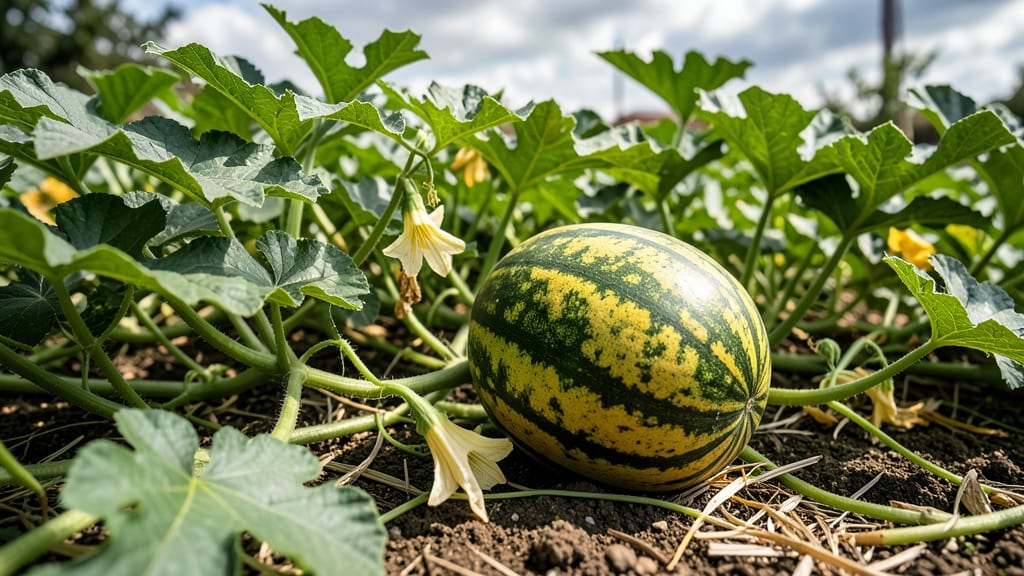
Personal seedless watermelons are at their sweetest when they show a creamy yellow spot on the bottom, make a dull thud when tapped, and emit a fragrant blossom end. Skip melons that feel too heavy or sound hollow, as these often indicate overripeness or poor texture.
Choosing the perfect personal seedless watermelon comes down to three key visual and auditory cues that signal peak ripeness. 💫 The creamy yellow spot on the underside (called the "field spot") indicates the melon ripened naturally in the sun, while that dull thud when tapped means the flesh is firm and juicy—not mushy or watery.
Seedless varieties often ripen faster than seeded ones, so these cues become even more critical. I always check the vine health too—healthy vines produce sweeter fruit, and the blossom end should smell sweet and fresh, never musty.
For the best results, compare melons of similar size—weight alone isn't the best indicator, as seedless varieties can vary more in density. A slightly uneven shape often means the melon grew naturally and developed proper sweetness, while perfectly round ones might have been forced to grow that way.
Pro tip: Look for a rind that's more matte than shiny, as a glossy surface can mean the melon was harvested too early or stored improperly.
💡 In This Article
- Science Behind Seedless Watermelon Ripeness and Sweetness
- Field-Tested Tricks for Selecting the Sweetest Personal Seedless Varieties
Science behind seedless watermelon ripeness and sweetness
Seedless watermelons develop sweetness through a biochemical process where starches convert into simple sugars—primarily glucose and fructose—as they ripen.
Unlike seeded varieties, seedless types often lack the natural seed cavities that store some of these sugars, so their sweetness depends entirely on the plant's ability to transport and accumulate sugars in the flesh.
This process is highly temperature-dependent: ideal daytime temperatures between 75-85°F and cool nights (60-68°F) create the perfect gradient for sugar development. Without these conditions, the melon may ripen unevenly or develop a bitter, less sweet profile.
The creamy yellow "field spot" on the underside isn't just a visual cue—it's a direct result of the melon's exposure to sunlight during ripening. This area absorbs more UV radiation, triggering the production of carotenoids (like beta-carotene) that contribute to both color and sweetness.
Seedless varieties often show this spot more prominently because their faster growth cycle means they ripen closer to the vine's surface.
The dull thud when tapped comes from the melon's internal structure: a ripe seedless watermelon has a firm, hydrated flesh that absorbs sound differently than overripe or underripe fruit, which may sound hollow or solid.
What most people don't realize is that seedless watermelons require 10-15% higher sugar content to taste as sweet as seeded varieties, due to their lack of seed cavities.
This is why the blossom end (the flat, stem-free side) should smell intensely sweet and fresh—it's a concentrated aroma of volatile compounds like esters and terpenes, which indicate peak ripeness. In contrast, a musty or fermented smell suggests the melon overstayed its prime or was stored improperly.
The science here is simple: more sugar = sweeter fruit, but only if the growing conditions were optimal.
Sunlight plays a dual role: it drives photosynthesis (producing the energy for sugar synthesis) while also triggering ethylene production, the plant hormone that regulates ripening. Seedless varieties often produce 20-30% more ethylene than seeded ones, which is why they ripen faster and require more precise timing for harvest.
This is why checking the vine health matters—stressed vines produce less ethylene, leading to less sweet melons. Look for dark green, waxy leaves and no signs of yellowing or pests, as these are signs the plant is thriving and producing optimal sugars.
Here's what's actually happening inside the melon: as the sugars accumulate, the flesh's pH drops slightly (becoming more acidic), which enhances flavor perception. This is why ripe seedless watermelons taste both sweet and slightly tangy—a balance that's harder to achieve in underripe or overripe fruit.
The texture also changes: ripe flesh has a 90-92% water content with perfectly distributed sugars, while overripe melons may exceed 93% water, diluting sweetness and making the texture mushy.
Consider these key factors when evaluating ripeness:
- Temperature: Melons grown in 75-85°F days with 60-68°F nights develop the highest sugar content
- Sun exposure: The field spot should be creamy yellow, not green or brown
- Ethylene production: Seedless varieties ripen faster—harvest when the vine dies back naturally
- Internal pH: Ripe melons have a slightly acidic taste (pH ~5.5-6.0), not bland or overly sweet
Pro tip: If you're growing your own seedless watermelons, harvest when the tendril near the stem turns brown and the melon feels heavy for its size—but not overly so. This balance ensures you catch them at peak sweetness before they become waterlogged. 🌞