
Shrubs
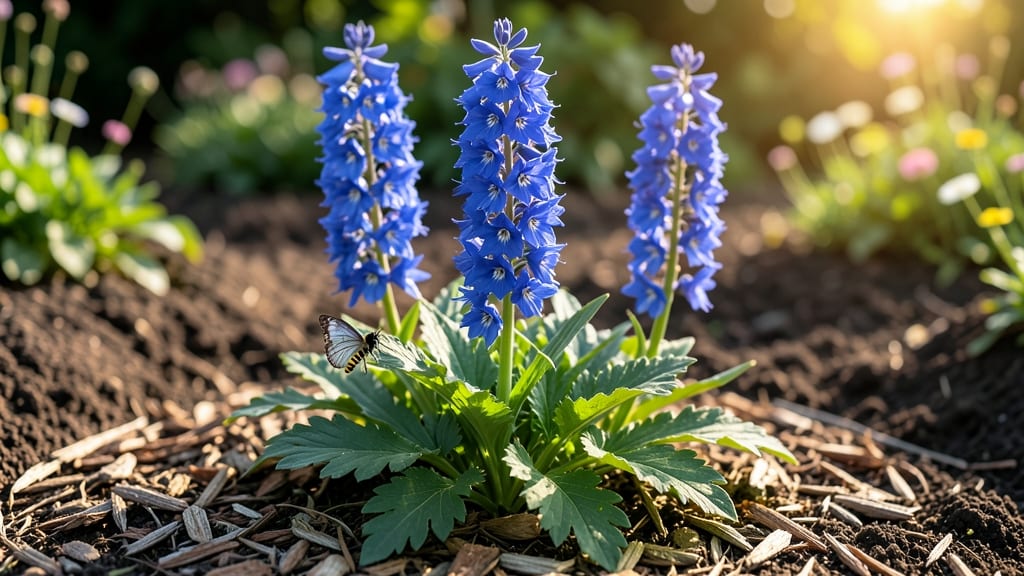
Blue flowering perennials that grow as shrubs offer stunning seasonal color with options like Russian sage, lavender, and butterfly bush, all of which thrive in full sun and require minimal maintenance once established. These hardy plants provide continuous blooms from spring through fall while adapting well to drought conditions.
If you're looking to add striking blue accents to your garden without the hassle, these shrubs are game-changers. 🌿 The secret behind their vibrant hues lies in anthocyanin pigments, which not only create visual appeal but also attract pollinators like bees and butterflies.
I've found that Russian sage, in particular, stands out with its silvery foliage and tall spikes of lavender-blue flowers that bloom from midsummer through fall. What's even better is their resilience—once established, they need very little water, making them perfect for dry climates or low-maintenance landscapes.
For those with limited space, lavender shrubs pack a punch with their fragrant purple-blue blooms and compact growth habit. Butterfly bush, while technically a perennial shrub, brings an extra burst of color with its clusters of tiny blue, purple, or pink flowers that bloom profusely from early summer to frost.
The key to keeping them thriving is well-drained soil and regular pruning after their first flush of blooms to encourage bushier growth. These plants truly deliver year-round interest with minimal effort.
💡 In This Article
- Why Blue Shrub Perennials Stand Out in Landscapes
- Planting and Caring for Low-Maintenance Blue Flowering Shrubs
Why blue shrub perennials stand out in landscapes
The striking blue hues of these shrubs come from anthocyanin pigments, which are water-soluble flavonoids that reflect blue and violet light while absorbing others.
Unlike red or purple flowers that rely on different pigment combinations, blue-flowering shrubs like Russian sage (Perovskia atriplicifolia) produce these pigments in their petals to attract specific pollinators, particularly bees that have ultraviolet vision and see these flowers as bright landing beacons. 🌸 This pigment chemistry also makes them more vibrant in cooler temperatures, which is why they often bloom most intensely in early morning or late afternoon when temperatures are lower.
Russian sage, for example, contains up to 30% more anthocyanins than many other blue perennials, giving its flowers that signature lavender-blue color that stands out against its silvery-green foliage.
The contrast between the 1-2 inch blue flower spikes and the 2-3 foot tall silvery stems creates visual depth in garden beds.
Lavender shrubs (Lavandula) take this a step further by combining their blue-purple flowers with aromatic foliage that releases a calming scent when brushed, adding a sensory dimension to the visual appeal.
Seasonal bloom cycles are another reason these shrubs shine. Russian sage typically flowers from July through October, while butterfly bush (Buddleia) can bloom from June until frost with proper care. This extended flowering period provides continuous color when many other perennials have finished blooming.
The 3-6 inch flower clusters of butterfly bush also create movement in the garden as they sway in the breeze, adding dynamic interest that static annuals can't match.
Foliage texture plays a crucial role too. Russian sage's narrow, aromatic leaves create a fine texture that contrasts beautifully with broader-leaved perennials like coneflowers or black-eyed Susans. This textural contrast makes blue shrubs excellent focal points in mixed borders.
The 1-2 foot wide growth habit of lavender shrubs makes them perfect for edging pathways or lining walkways, where their compact form and fragrant blooms create an inviting atmosphere.
What makes these shrubs particularly effective in landscapes is their ability to pair well with other colors. The blue tones complement orange and yellow flowers (like black-eyed Susans or daylilies) while also harmonizing with purple blooms to create a cohesive color palette.
This versatility allows gardeners to use them as either focal points or supporting players in their design schemes without overwhelming the space.
Finally, their drought tolerance stems from deep root systems that can access moisture 3-4 feet below the surface, making them ideal for xeriscaping. This adaptability means they thrive in regions with 10-15 inches of annual rainfall or less once established, reducing watering needs significantly compared to many ornamental shrubs.