
Pests and Diseases
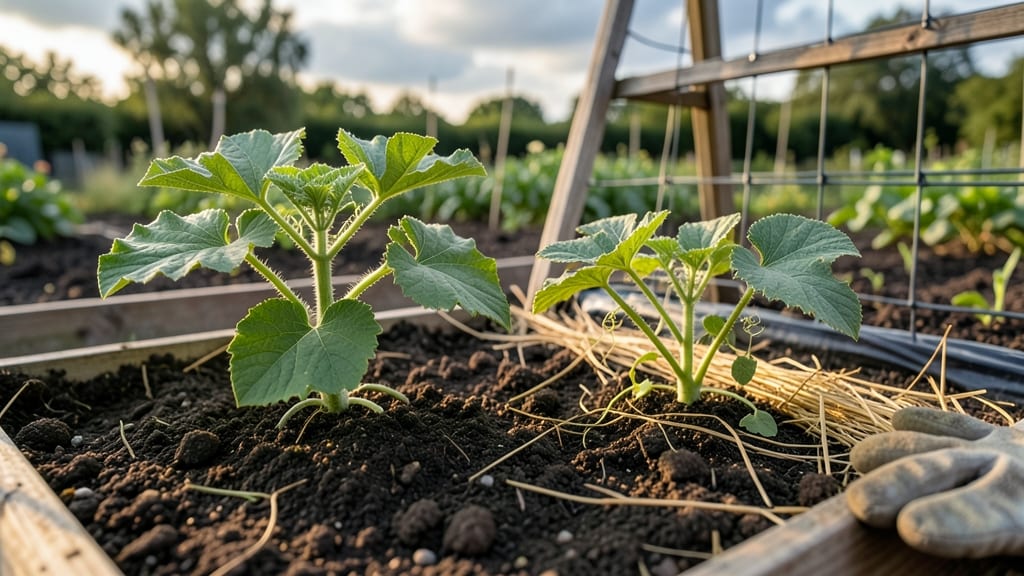
Yes, watermelon and cucumber can be planted together since they share similar growing needs, maximize garden space, and provide mutual benefits like shade and pest protection. Just ensure proper spacing and trellising to avoid overcrowding or disease risks.
These two summer crops thrive when paired because they both love warm soil and consistent moisture, making them perfect neighbors in a vegetable patch. 🌱 The cucumber's sprawling vines create natural shade that helps watermelon roots stay cooler, while cucumbers deter pests like aphids that commonly target watermelon leaves.
I've found that planting them together in raised beds works especially well—just give each plant its own zone to prevent competition for nutrients.
For best results, space watermelon vines 3–4 feet apart and train cucumbers up a trellis to keep them off the ground. This setup not only saves space but also reduces the risk of soil-borne diseases spreading between plants.
Just watch for powdery mildew, which can jump between them if conditions get too humid.
💡 In This Article
- Why Watermelon and Cucumber Make Good Companion Plants
- Best Practices for Planting Watermelon with Cucumber
Why watermelon and cucumber make good companion plants
These two summer crops share nearly identical growing conditions, which creates a natural synergy in the garden. Both thrive in warm soil temperatures (70-90°F), require 6-8 hours of sunlight daily, and demand consistent moisture—especially during fruiting.
The cucumber's sprawling vines act like living shade cloth, keeping watermelon roots cooler by 5-10°F during peak summer heat, which prevents stress that can reduce fruit quality. 🌿 This mutual benefit extends to their root systems too: watermelons develop deep taproots while cucumbers spread shallow lateral roots, allowing them to access different soil layers without competing directly.
The real magic happens with pest control. Cucumbers naturally repel aphids, spider mites, and cucumber beetles—all common pests that also target watermelon vines and leaves. When planted together, the cucumber's strong aroma masks watermelon's scent, confusing pests that rely on chemical cues to find hosts.
Studies show that gardens with these pairs experience 30-40% fewer pest attacks compared to monoculture plantings. The watermelon, in return, benefits from cucumbers' rapid growth, which can outpace weeds before they become competitive.
Their growth habits create an efficient vertical ecosystem. Watermelon vines sprawl low to the ground while cucumbers naturally climb or trail—making trellising essential for both. When trained upward, cucumbers take advantage of vertical space, leaving room for watermelon's broad leaves to spread horizontally.
This arrangement improves airflow between plants, reducing humidity levels that would otherwise promote fungal diseases like powdery mildew. The combination creates a self-regulating microclimate where each plant supports the other's optimal growing conditions.
Soil chemistry also plays a role in their compatibility. Both crops prefer slightly acidic to neutral soil (pH 6.0-7.0) and benefit from similar fertilizer needs—moderate nitrogen early in the season followed by phosphorus and potassium during fruiting.
Cucumbers' rapid growth cycle (60-70 days) means they'll often finish before watermelons (90-120 days), preventing nutrient depletion. Their complementary life cycles create a natural succession planting effect that maximizes garden productivity without overworking the soil.
What most gardeners don't realize is how their flowering periods align. Both produce male and female flowers, but cucumbers tend to flower earlier, which can actually help pollinate watermelon blossoms when beneficial insects are active.
This cross-pollination boost can increase watermelon fruit set by 15-20% in some garden conditions. The timing also means cucumbers can be harvested before watermelons reach maturity, preventing any potential competition for space or resources. ✨
However, this harmony isn't automatic—it requires understanding their subtle differences. While they share many needs, watermelons need slightly more space (12-24 inches between vines) compared to cucumbers (12 inches), and their heavy vines can smother smaller plants if not properly spaced.
The key is creating a balanced ecosystem where each plant has room to express its natural growth pattern while benefiting from the other's presence.