
Orchid Care
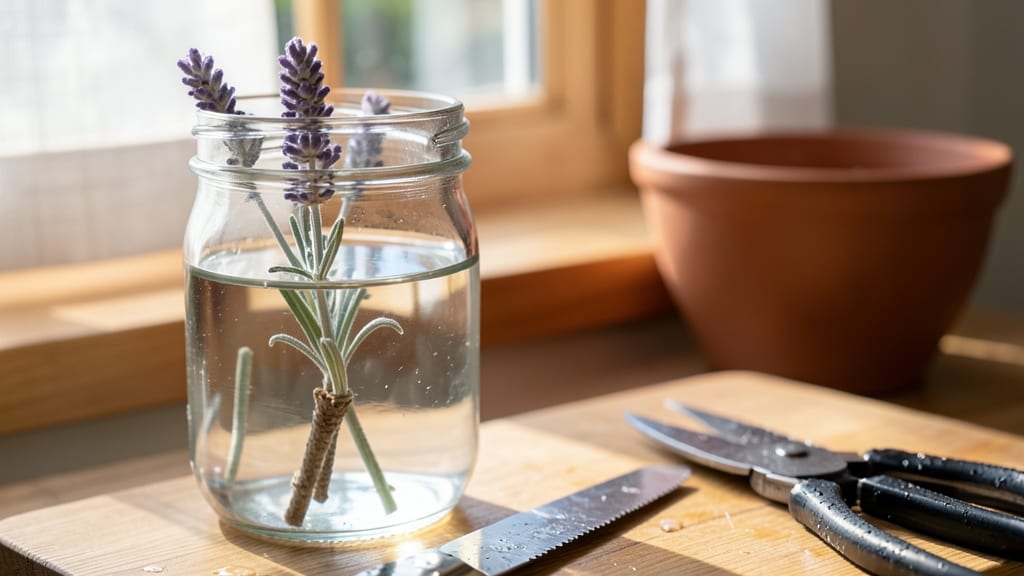
You should avoid putting cut lavender in water, as its stems lack vascular structure to absorb moisture. Instead, place stems in a dry vase or bundle loosely in a jar to preserve fragrance and prevent mildew, ensuring freshness for up to two weeks.
Lavender stems are naturally designed to thrive in dry conditions, which is why submerging them in water causes more harm than good. 💛 Unlike flowers with vascular systems—like roses or lilies—lavender’s delicate stems can’t draw up water, leading to rapid wilting and bacterial growth.
The best way to showcase cut lavender is by letting it air-dry in a breathable container, such as a glass vase with a loose fabric liner or a simple paper bag with holes.
This method not only maintains its signature aroma but also prevents the stems from developing mold, which can ruin the visual appeal and scent within days.
For maximum freshness, I recommend trimming the stems at an angle before arranging them in a dry display. This small step helps the stems absorb any residual moisture from the air more effectively, keeping them upright and fragrant.
If you’re planning to use the lavender for crafts or potpourri, you can even speed up the drying process by hanging small bundles upside down in a warm, dry place for 1-2 weeks.
💡 In This Article
- Why Fresh Lavender Stems Reject Water
- Best Ways to Display Cut Lavender Without Water
Why fresh lavender stems reject water
Lavender stems are biologically ill-equipped for water absorption because they lack functional xylem vessels—the plant’s natural plumbing system that transports water and nutrients.
Unlike roses or hydrangeas, which have evolved to draw moisture through their stems, lavender’s stems are designed to thrive in arid Mediterranean climates where water scarcity is common.
When submerged, the stems trap moisture in their hollow centers, creating the perfect environment for bacterial and fungal growth—particularly Botrytis cinerea, the mold responsible for gray mold in plants.
The problem starts within 24-48 hours of cutting. Without water uptake, the stems can’t replenish lost moisture through transpiration, causing the delicate cells to collapse. You’ll notice the buds begin to droop and the vibrant purple hue fades to a dull grayish-brown within 3-5 days.
The scent also degrades faster because the essential oils, which are most concentrated in the buds, break down in the presence of excess moisture. 💫 For comparison, a hydrangea stem can absorb up to 0.5 milliliters of water per hour, while lavender stems absorb virtually none.
Moisture also triggers enzymatic reactions that accelerate the plant’s natural aging process. The enzymes polyphenol oxidase and lipoxygenase become active in damp conditions, leading to browning and the development of off-putting odors.
This is why lavender arranged in water often smells musty within a week—far from its usual floral, slightly sweet aroma. The stems’ porous structure also makes them prone to absorbing water like a sponge, which increases their weight and causes them to bend or snap under their own weight.
Even if you add a preservative like bleach or floral food to the water, the damage is already done. These additives can’t compensate for the lack of vascular structure, and they may actually accelerate the breakdown of the essential oils that give lavender its signature fragrance.
The best way to preserve lavender’s natural beauty and scent is to mimic its native dry environment, which is why air-drying methods work so effectively.
Consider this: Wild lavender grows in rocky, sun-baked hillsides where rainfall is scarce. Its stems are adapted to store moisture in their leaves and buds rather than transport it through water-filled vessels.
When you cut lavender and place it in water, you’re essentially forcing it to adapt to conditions it’s never evolved to handle—much like trying to grow a cactus underwater. 🌵
The key takeaway is that lavender’s survival strategy relies on drought resistance, not hydration. Its stems are more like straws than straws—they’re hollow and designed to channel air, not water. This is why traditional floral arrangements that work for other flowers fail spectacularly with lavender.