
How To
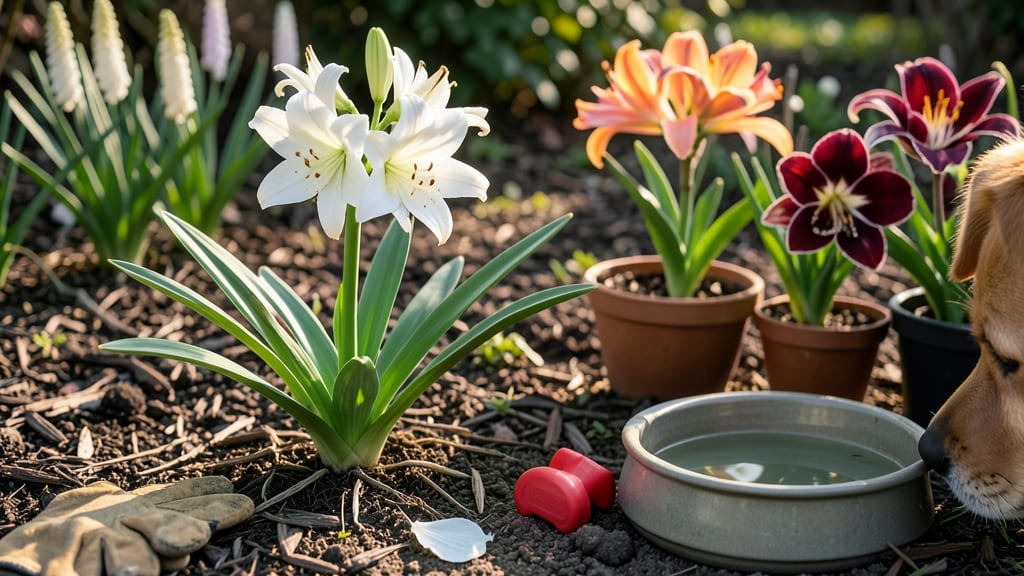
Perennials can indeed be toxic to dogs, with common offenders like lilies, foxglove, and azaleas causing symptoms ranging from vomiting and drooling to severe organ damage. Always verify plant safety before introducing them to your garden or home.
Many garden plants contain natural compounds that trigger adverse reactions in dogs, particularly when ingested in large quantities. 🐾 For example, lilies produce calcium oxalates that can cause painful mouth irritation and kidney failure, while foxglove contains cardiac glycosides that disrupt heart rhythms.
Even small amounts of azalea leaves or flowers may lead to drooling, weakness, or gastrointestinal upset within hours of exposure. The severity often depends on the plant part consumed—roots and leaves typically contain higher concentrations of toxins than flowers.
If you suspect your dog has eaten a toxic perennial, contact your veterinarian or the ASPCA Animal Poison Control Center immediately. Symptoms like lethargy, vomiting, or difficulty breathing require prompt medical attention.
For a safer garden, opt for dog-friendly alternatives like sunflowers, marigolds, or lavender, which pose no known toxicity risks to pets.
💡 In This Article
- How Perennial Toxins Affect Dogs: Symptoms and Risks
- Safe Perennial Alternatives for Dog-Friendly Gardens
How perennial toxins affect dogs: symptoms and risks
The danger from toxic perennials lies in their chemical compounds, which disrupt dogs' physiological systems in predictable ways. Lilies, for instance, contain calcium oxalates that form needle-like crystals when chewed, causing immediate mouth irritation, excessive drooling, and painful swelling within 1-2 hours of ingestion.
The crystals also damage kidney tubules, potentially leading to acute kidney failure if untreated. 🌸 In contrast, foxglove's toxicity comes from cardiac glycosides like digitoxin, which interfere with sodium-potassium pumps in heart cells, causing irregular heartbeats, weakness, and even cardiac arrest in severe cases.
Azaleas and rhododendrons contain grayanotoxins, which disrupt nerve signal transmission, leading to symptoms like vomiting, diarrhea, excessive drooling, and lethargy within 4-12 hours of exposure.
The severity depends on both the plant part consumed and the dog's size—leaves and stems contain the highest toxin concentrations, while flowers may have milder effects.
A 10-pound dog might show symptoms after eating just 0.5 ounces of azalea leaves, while a 50-pound dog could experience life-threatening effects from 2-3 ounces. The ASPCA reports that 60% of dog poisonings from perennials involve these three plant families.
What makes these toxins particularly insidious is their delayed onset of severe symptoms. While initial reactions like vomiting or drooling may appear within hours, kidney damage or cardiac effects can develop 24-72 hours later, making early intervention critical.
The ASPCA's Animal Poison Control Center receives over 5,000 calls annually about plant ingestions, with 15% of cases requiring emergency veterinary care. This delayed progression is why pet owners often underestimate the risk until symptoms become severe.
Another critical factor is the dog's behavior—curious pets often target plants with strong aromas or textures. Foxglove's velvety leaves and lilies' smooth petals can be irresistible to dogs exploring with their mouths.
The bitter taste of many toxic plants might deter some dogs, but others will chew regardless, especially if they've developed a habit of garden exploration. This is why physical barriers (like raised beds) and training can be just as important as choosing safe plants.
If you suspect your dog has ingested a toxic perennial, time is critical. The first 2 hours after ingestion are the golden window for inducing vomiting (with vet approval) to reduce toxin absorption.
However, never attempt this without professional guidance—some toxins (like those in sago palms) can cause more damage when vomited a second time. Always keep the plant's leaves, stems, or flowers for identification, as accurate diagnosis depends on knowing exactly what was consumed.
For pet owners, understanding these mechanisms helps create safer environments. For example, knowing that lily pollen alone (from dust on a dog's fur) can cause kidney damage means keeping lilies out of reach entirely—not just the flowers.
Similarly, foxglove's toxins persist even in dried leaves, so removing dead plants promptly reduces risk. The key is combining knowledge of plant chemistry with practical garden management.