I’ve been obsessed with plants since I was a kid, sneaking seeds from my mom’s garden to grow in old tin cans by the back porch. There’s something about watching something small turn into something alive that never gets old. This site is where I share the lessons I’ve learned—from the triumphs (that first tomato!) to the disasters (the time the squash vines took over the whole yard). I aim to make gardening approachable, whether you’re a beginner with a windowsill or a veteran with a full plot.
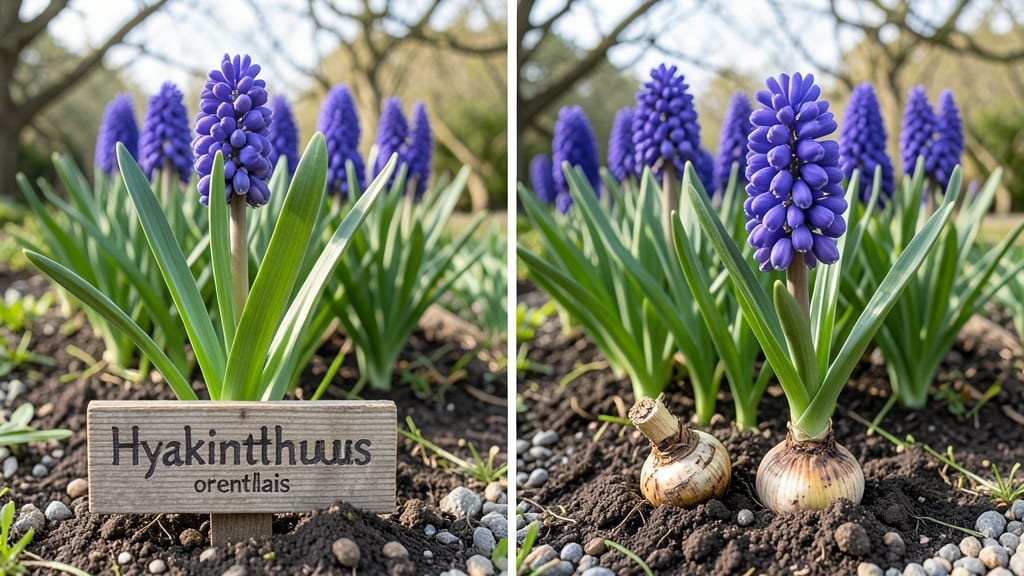
💥 Quick Answer Hyacinths are perennials because their underground bulbs store nutrients year-round, allowing them to regrow foliage and blooms annually under proper conditions. With consistent care, these hardy plants…
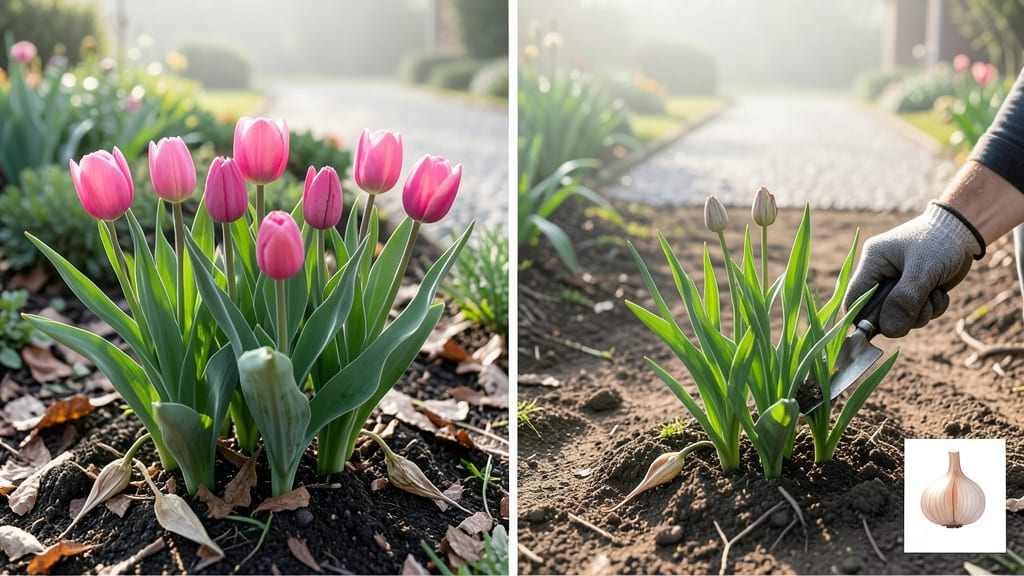
💥 Quick Answer Tulips are perennial plants that technically live multiple years, but they often act like annuals in most growing zones by dying back after blooming and regrowing from their underground bulbs each spring…
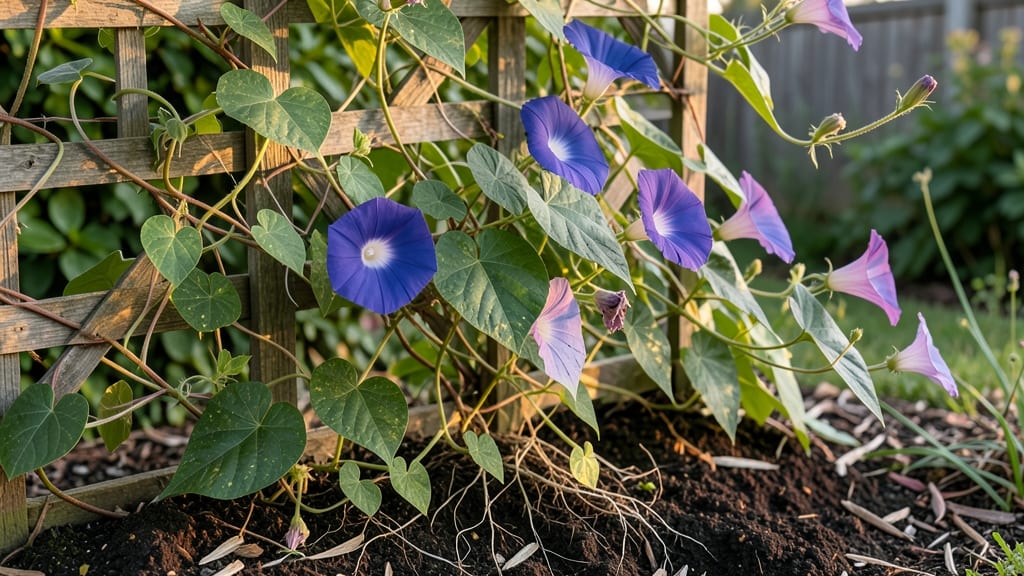
💥 Quick Answer Morning glories are not true perennials in most climates—they die back to the ground after frost but regrow from seeds each spring. In warmer zones (USDA 8-11), they may self-seed aggressively or persist…
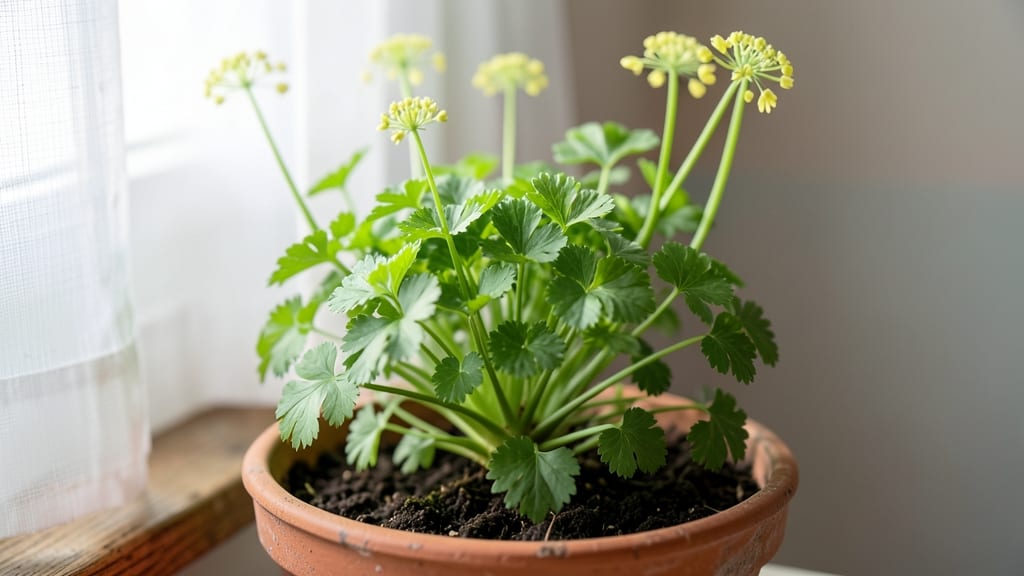
💥 Quick Answer Parsley isn't a true perennial—it's a biennial herb that typically lives for two years, though it can regrow from its root system for 2-3 years in mild climates before eventually bolting. Cold-hardy…
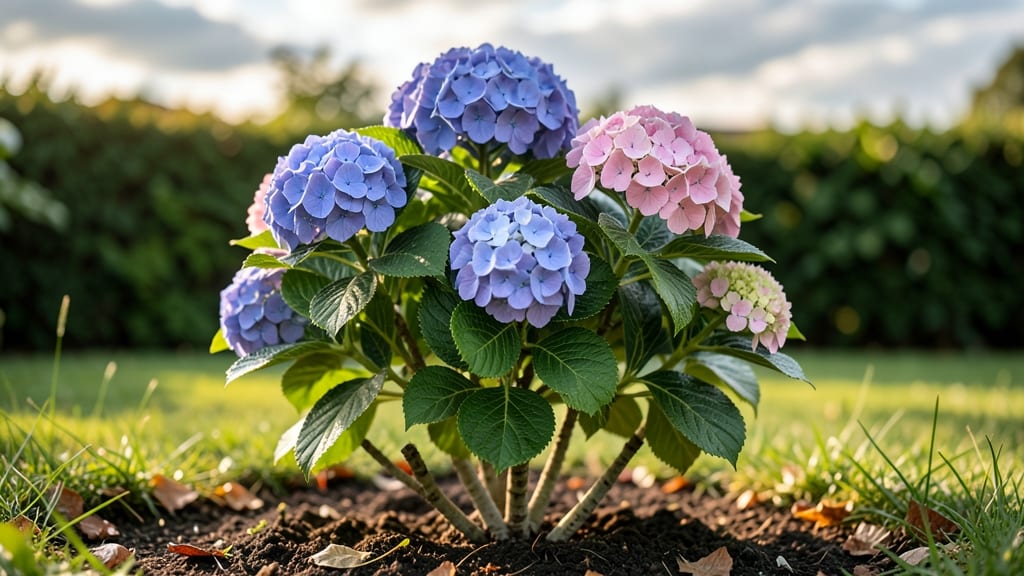
💥 Quick Answer Yes, hydrangeas are perennials that regrow each spring from their root system after winter dieback. Their stems die back to the ground annually, but the roots remain dormant and alive, enabling new growth…
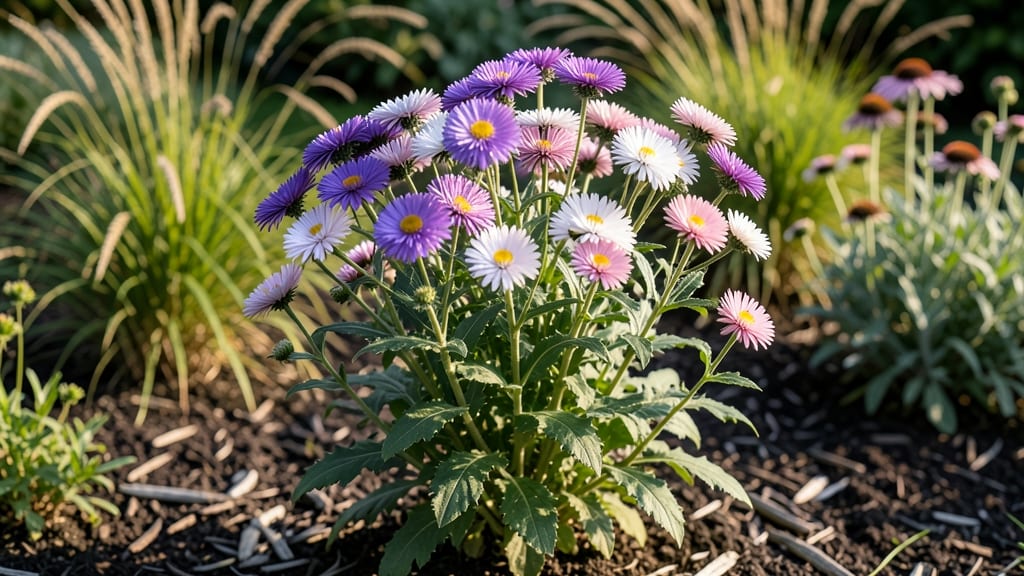
💥 Quick Answer Asters are perennials in most U.S. growing zones (3–9), thriving year after year with consistent care, though some varieties may die back during harsh winters or prolonged drought. Their long-term…
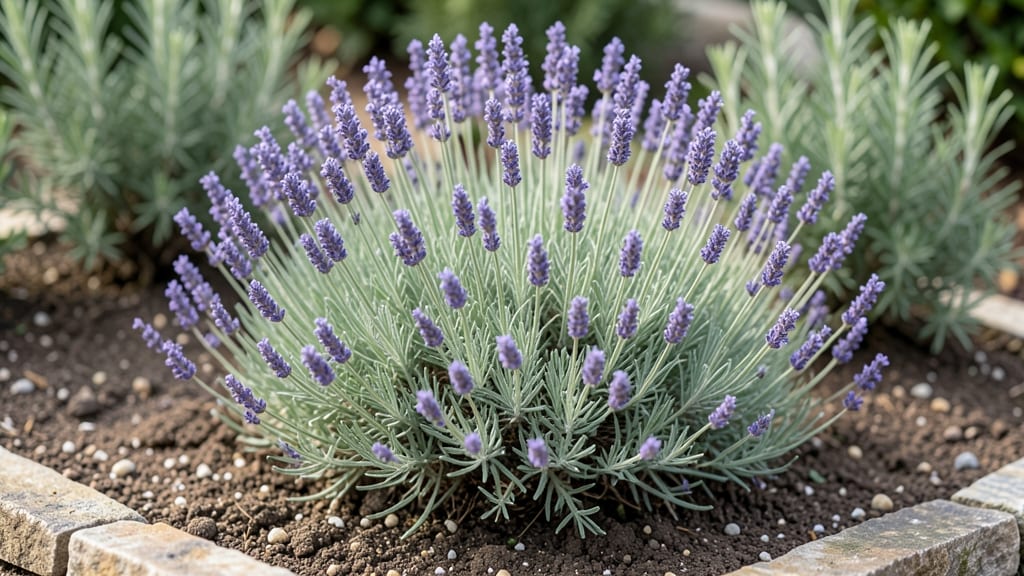
💥 Quick Answer Yes, lavender is a perennial plant that thrives for multiple years, though it may appear dormant or dead in winter due to cold dieback. Proper pruning and winter care help it regrow in spring with vibrant…
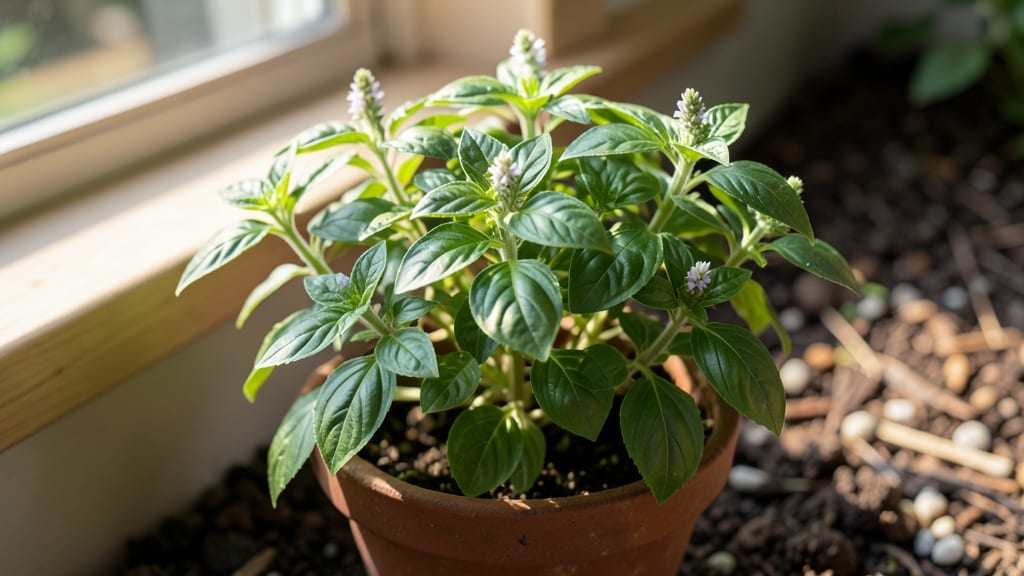
💥 Quick Answer Basil plants are not perennial in most climates, dying back after frost or when temperatures drop below 40°F. However, in USDA zones 10-12, they thrive year-round with proper care, and some gardeners…
💥 Quick Answer Plants that like bottom watering include pothos, peace lilies, and snake plants, as they absorb moisture gradually through their roots without needing frequent top-watering. This method helps prevent…
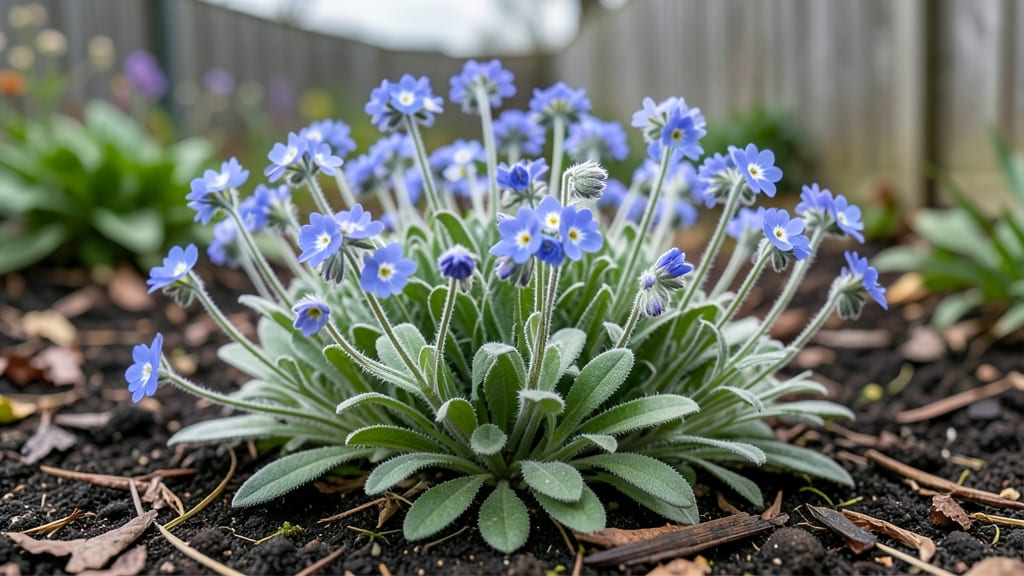
💥 Quick Answer Forget-me-nots are not true perennials but behave as annuals or biennials in most climates, dying back after flowering and often requiring replanting yearly for consistent blooms. Their hardiness varies…