I’ve been obsessed with plants since I was a kid, sneaking seeds from my mom’s garden to grow in old tin cans by the back porch. There’s something about watching something small turn into something alive that never gets old. This site is where I share the lessons I’ve learned—from the triumphs (that first tomato!) to the disasters (the time the squash vines took over the whole yard). I aim to make gardening approachable, whether you’re a beginner with a windowsill or a veteran with a full plot.
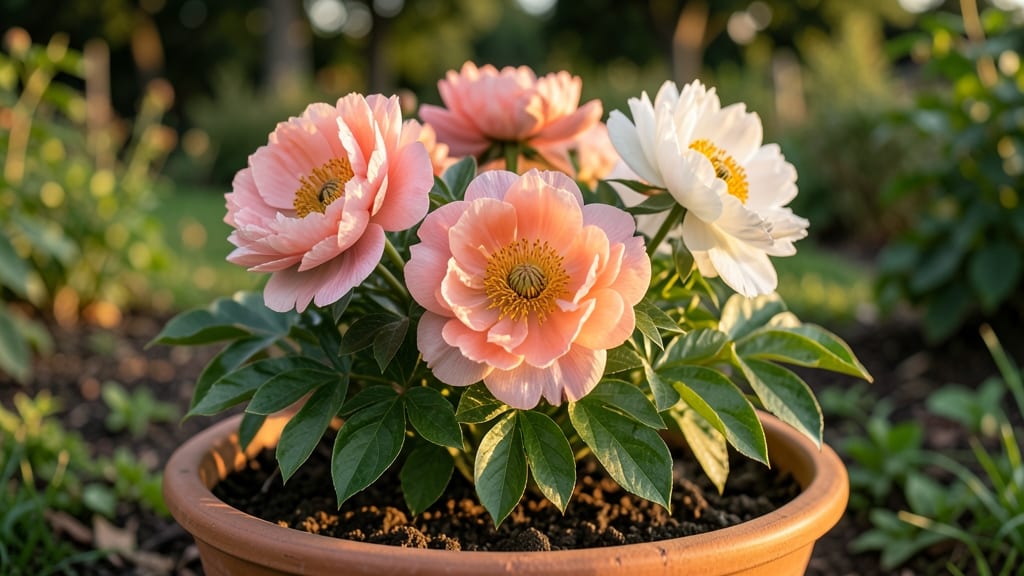
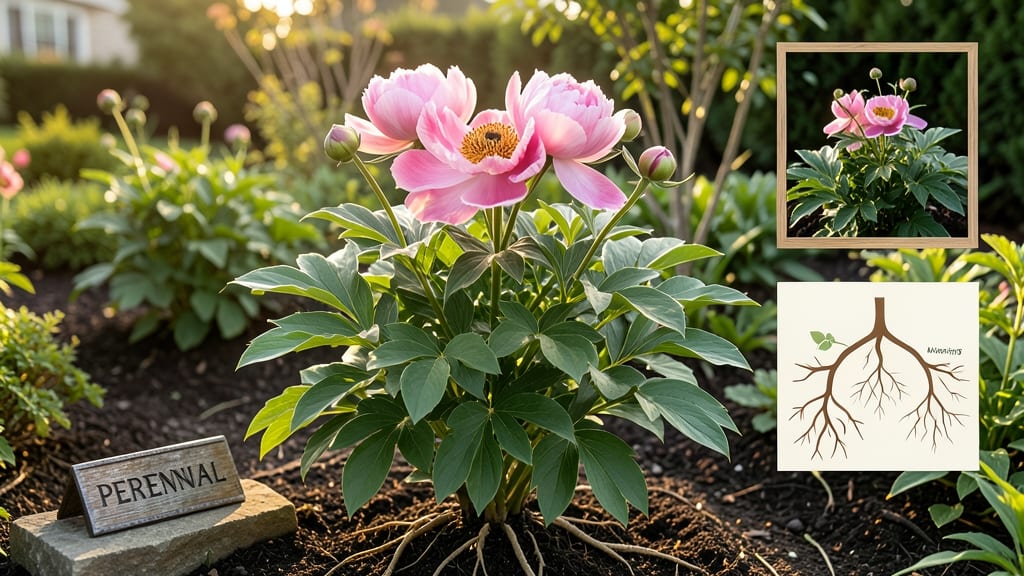
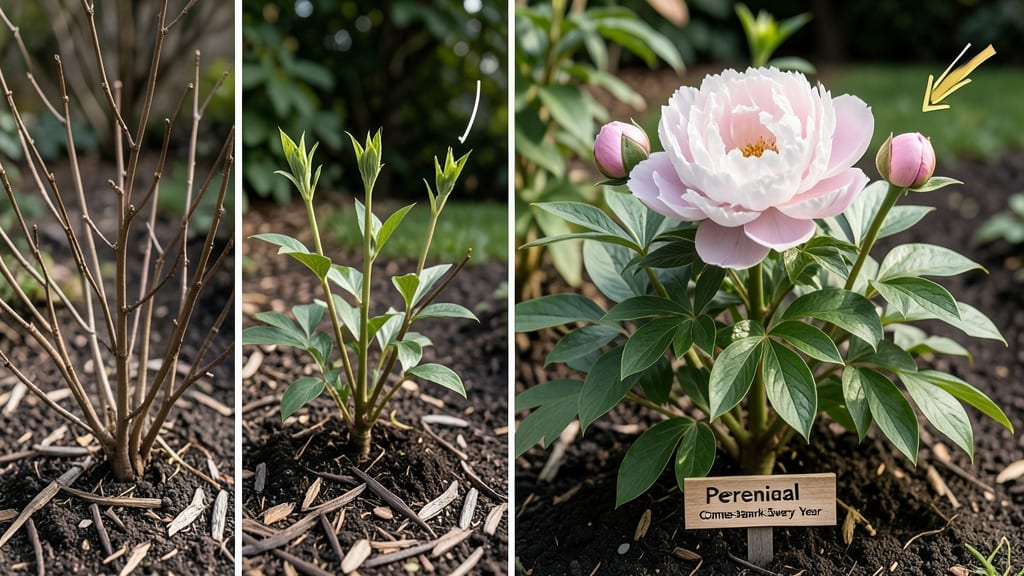
💥 Quick Answer Peonies are perennial plants, meaning they return year after year from their hardy root systems, dying back to the ground in winter but rebounding with lush foliage and blooms each spring. This unique…
💥 Quick Answer When you hear "perennial," it means a plant lives for more than two years, coming back stronger each season from its roots or underground stems—unlike annuals that live just one year. This survival…
💥 Quick Answer Yes, perennials come back every year because their underground root systems store energy, enabling them to regrow from the same base each season—though harsh winters or neglect can reduce their lifespan…
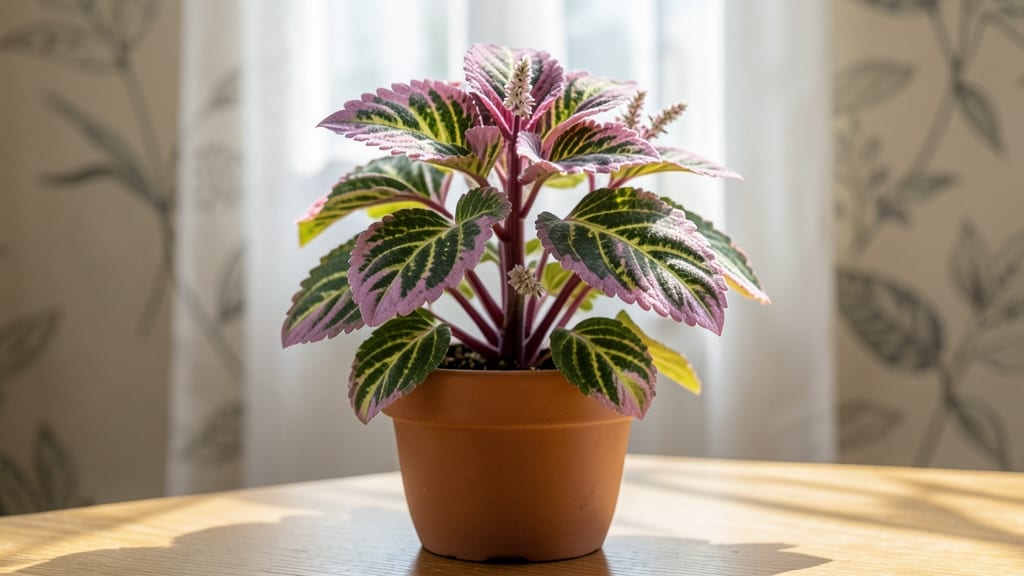
💥 Quick Answer Coleus plants are not true perennials in cold climates, dying back to the ground in frost but often regrowing from roots if protected or overwintered indoors. In warmer zones (9-11), they thrive…
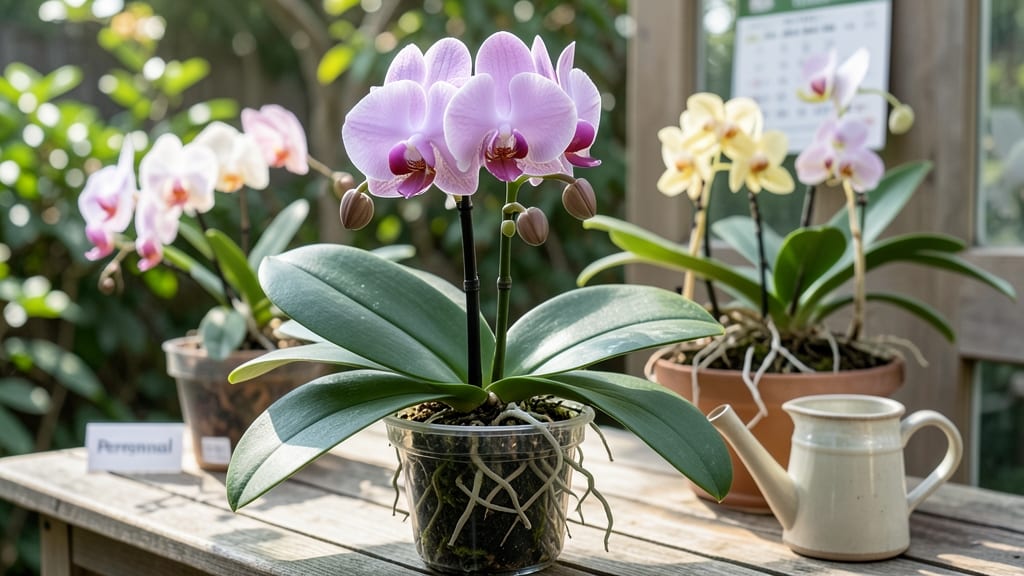
💥 Quick Answer Orchids are perennials because their specialized underground structures—rhizomes or pseudobulbs—store nutrients and moisture year-round, allowing them to regrow even after foliage dies back during…
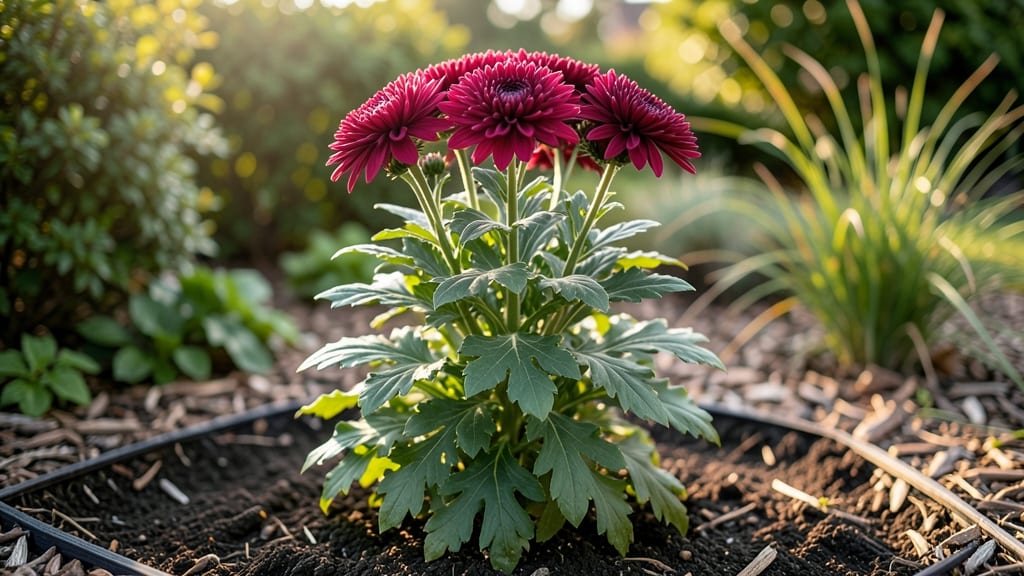
💥 Quick Answer Mums are perennials in USDA Zones 5-9 but often treated as annuals because their tops die back in winter while their roots remain alive underground. This winter dormancy isn't a sign of death—it's a…
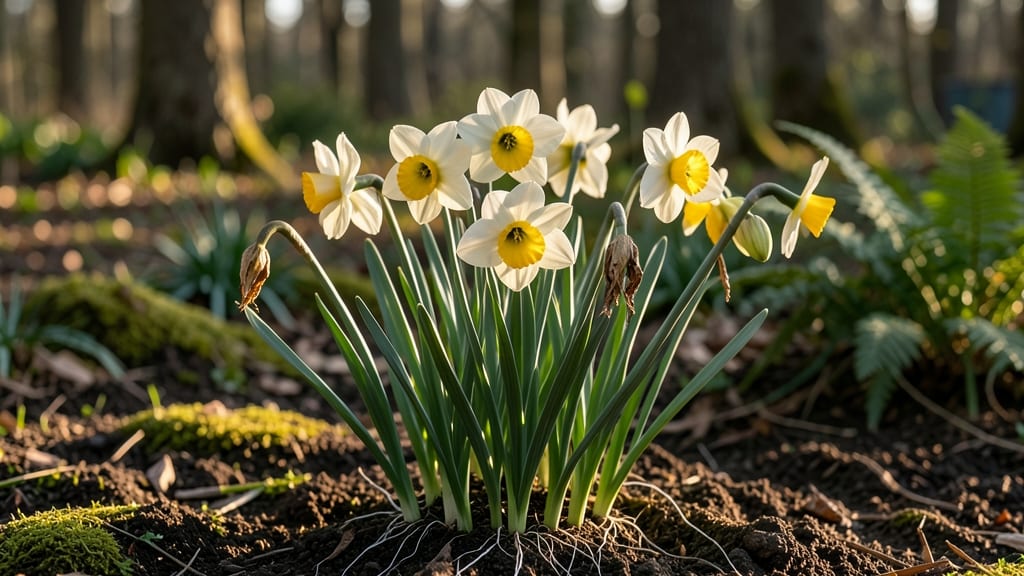
💥 Quick Answer Daffodils are perennials that return year after year with vibrant spring blooms thanks to their resilient underground bulbs, which store nutrients and energy for regrowth—making them low-maintenance…
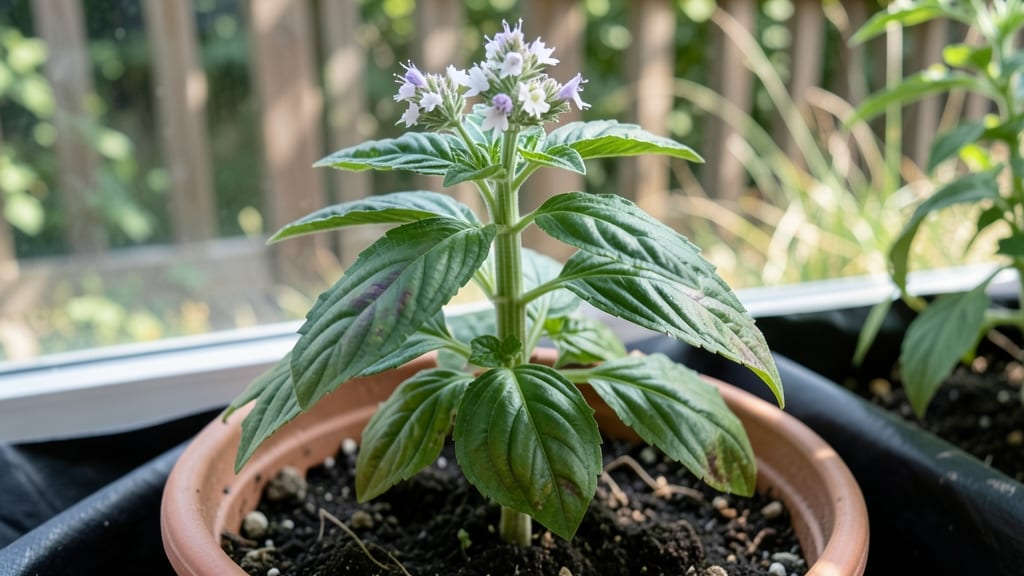
💥 Quick Answer Is sweet basil a perennial? No, it behaves as an annual in most climates, meaning it won't survive winter frost and must be replanted each spring unless you take special steps like overwintering indoors…
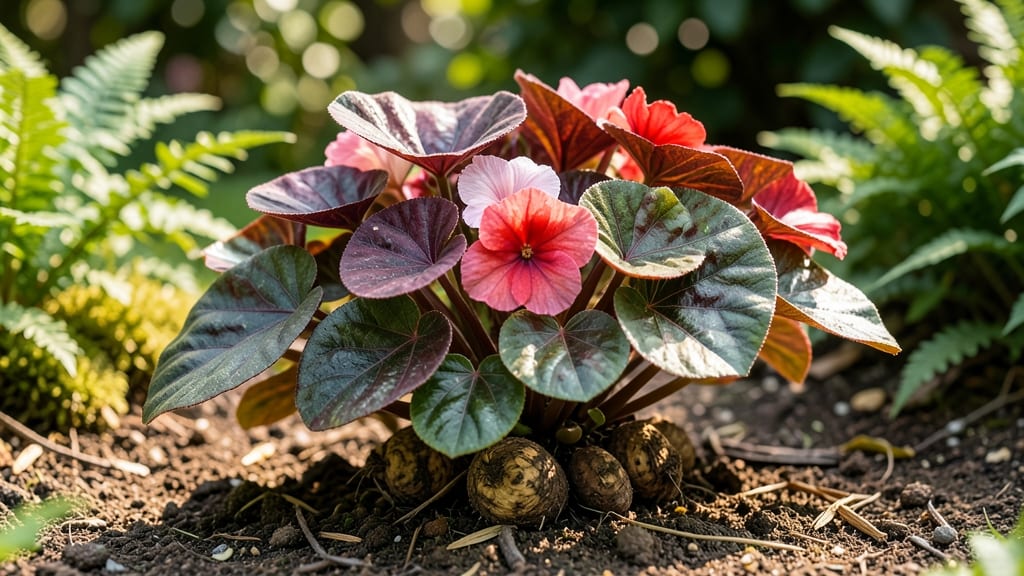
💥 Quick Answer Begonias are perennial flowers in warm climates (USDA Zones 10-12) but die back in cold weather, requiring replanting each year in colder regions. Some varieties, like tuberous begonias, survive winter…
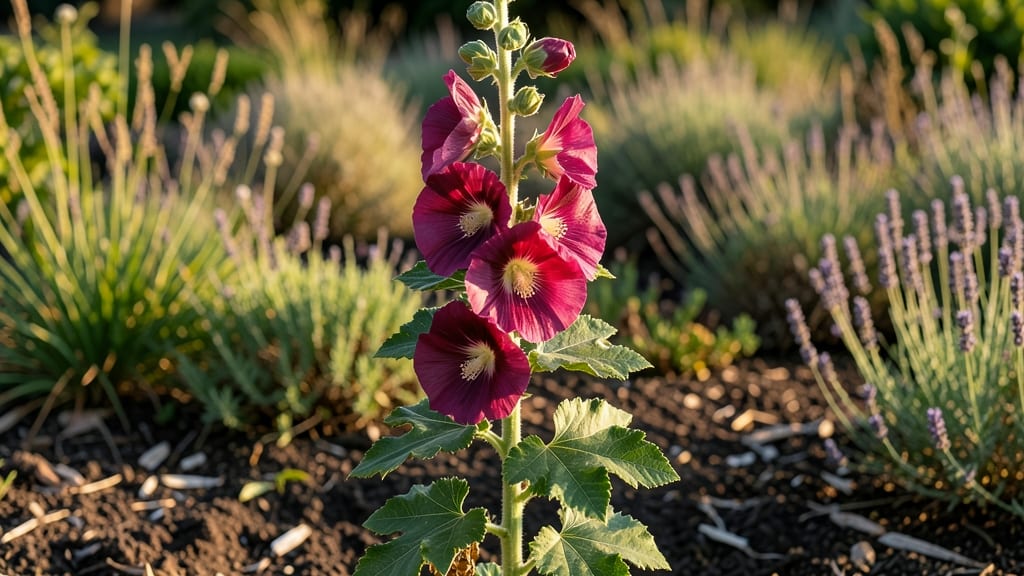
💥 Quick Answer Hollyhocks are perennials in USDA zones 3-8, but their lifespan often mimics biennials or short-lived perennials because fungal diseases like rust attack stems and weaken cold hardiness over time…