
Orchid Care
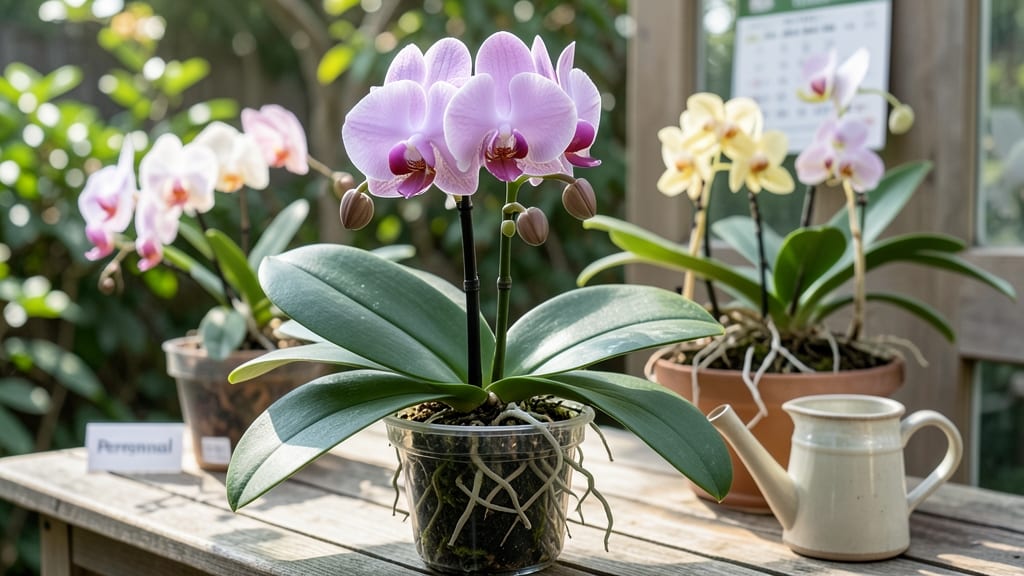
Orchids are perennials because their specialized underground structures—rhizomes or pseudobulbs—store nutrients and moisture year-round, allowing them to regrow even after foliage dies back during dormancy, unlike annuals that complete their life cycle in a single season.
This perennial behavior comes from orchids' unique energy storage system. Their thickened roots or pseudobulbs act like natural batteries, holding water and sugars until conditions improve. 🌱 Unlike annuals that die completely after flowering, orchids simply enter a rest phase—sometimes losing leaves—before spring growth.
I've seen phalaenopsis orchids drop all their leaves in winter only to sprout fresh shoots when temperatures rise, proving their hardy perennial nature.
What sets orchids apart is their ability to time this cycle with environmental cues. Many species naturally reduce watering needs during dormancy, while others actually need slightly cooler temperatures to trigger regrowth.
This adaptability is why orchids thrive in both tropical greenhouses and cooler indoor spaces when given the right care adjustments.
💡 In This Article
- Why Orchids Act Like Perennials Despite Seasonal Dieback
- Caring for Orchids Through Their Perennial Dieback Cycle
Why orchids act like perennials despite seasonal dieback
Orchids achieve their perennial status through specialized underground structures that function like nature's energy banks. Their pseudobulbs (thickened stems) or rhizomes (horizontal roots) store starches, water, and nutrients during dormancy—similar to how potatoes store energy in their tubers.
These structures can swell to hold 50-70% more moisture than regular stems, allowing orchids like cattleyas to survive months without active growth. 🌱 Unlike annuals that complete their life cycle in one season, orchids simply shift into a survival mode when conditions turn unfavorable.
The science behind this involves a clever water regulation system. Orchid roots have a special layer called velamen that acts like a sponge, absorbing moisture even from humid air. This allows them to take up water through their leaves too—a process called foliar absorption.
During dormancy, many orchids reduce transpiration by dropping leaves, but their roots remain active just below the surface, ready to spring back when temperatures rise above 60°F in spring. Compare this to annuals like marigolds, which die completely after flowering because they lack these storage structures.
What makes orchids unique is their ability to time this cycle with environmental cues. Many species naturally reduce watering needs during dormancy, while others actually need slightly cooler temperatures (55-65°F) to trigger regrowth.
For example, cymbidium orchids develop new growth when night temperatures drop below 50°F, while phalaenopsis may need consistent warmth to break dormancy. This adaptability explains why orchids thrive in both tropical greenhouses and cooler indoor spaces when given proper care adjustments.
Let's examine the key differences between orchid storage structures and other perennial plants:
- Pseudobulbs: Found in cattleyas and dendrobiums, these thickened stems can store enough water to survive 3-6 months of dry conditions while still providing energy for new growth
- Rhizomes: Horizontal stems in orchids like phalaenopsis spread along the soil surface, creating a network of storage points that can regenerate entire plants from just a few nodes
- Tubers: Unlike potatoes, orchid tubers (found in some terrestrial species) are more fibrous and contain specialized cells that release stored nutrients gradually during regrowth
The energy storage capacity of these structures is impressive. A mature cattleya pseudobulb can contain enough starch to fuel new growth for 6-8 weeks without sunlight. This explains why many orchids can survive being left unattended for weeks during vacations—a trait that sets them apart from most houseplants.
The trade-off? These storage structures require careful management during repotting to prevent rot, which is why many growers wait until new growth appears before disturbing their orchids.
What most people don't realize is that this perennial behavior isn't just about survival—it's about strategic growth timing. Orchids often time their most vigorous growth periods to coincide with their natural flowering cycles. For example, many terrestrial orchids store energy during summer to fuel their dramatic spring blooms.
This energy management system is why orchids can produce flowers for 6-12 weeks without new foliage—something annuals simply can't do. 💫