I’ve been obsessed with plants since I was a kid, sneaking seeds from my mom’s garden to grow in old tin cans by the back porch. There’s something about watching something small turn into something alive that never gets old. This site is where I share the lessons I’ve learned—from the triumphs (that first tomato!) to the disasters (the time the squash vines took over the whole yard). I aim to make gardening approachable, whether you’re a beginner with a windowsill or a veteran with a full plot.
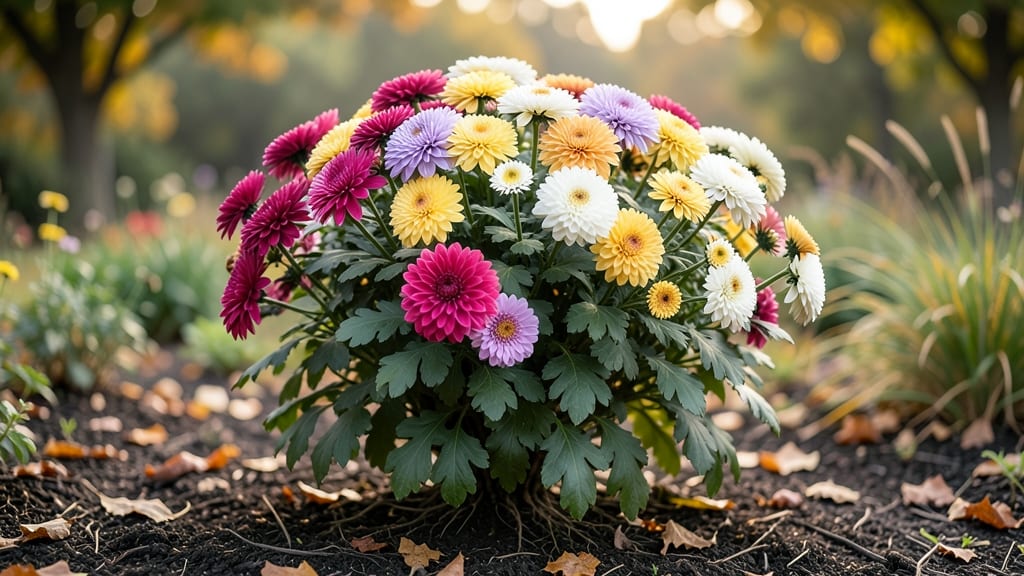
💥 Quick Answer Mums behave like perennials in warm climates but are often grown as annuals in cold zones because their foliage dies back with frost—though their roots persist underground. With the right care, they'll…
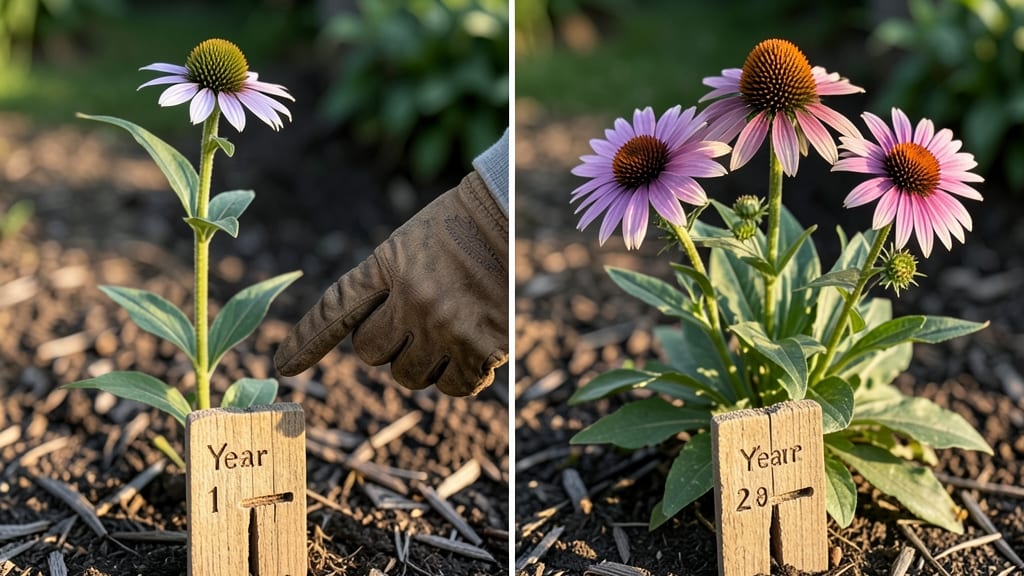
💥 Quick Answer Perennial flowers do come back every year, though their foliage often dies back to the ground in winter, only to regrow from roots or rhizomes when conditions improve. Some may appear dormant but remain…
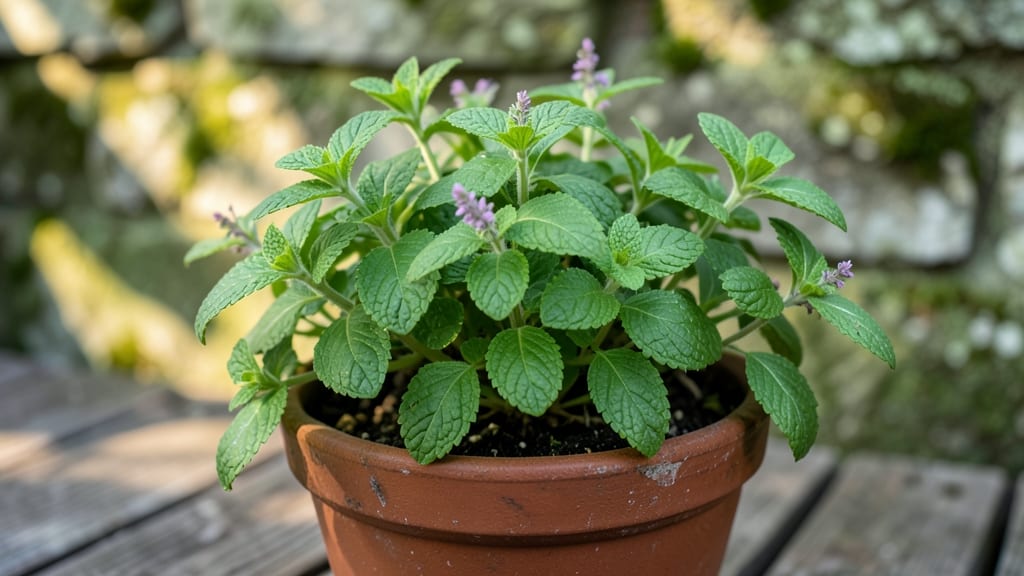
💥 Quick Answer Mint is a perennial plant that survives winter by dying back above ground but regrows from its extensive underground root system each spring, thriving in cold climates from USDA zones 3 through 11. Its…
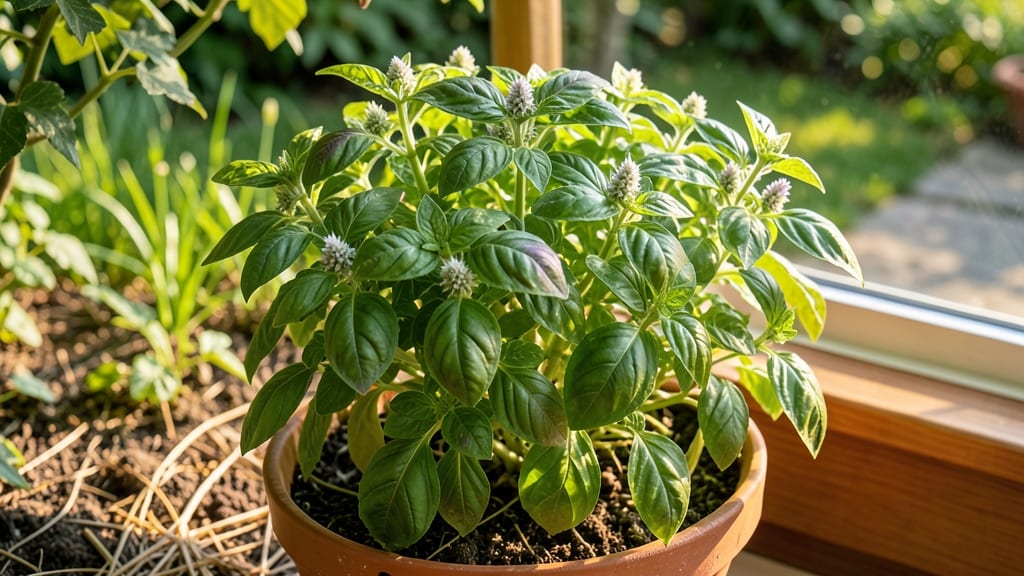
💥 Quick Answer Basil is not a true perennial in most climates, as it dies back with frost but can regrow from seeds or cuttings in warmer zones (USDA 9-11). In colder regions, it’s grown as an annual, while tropical…
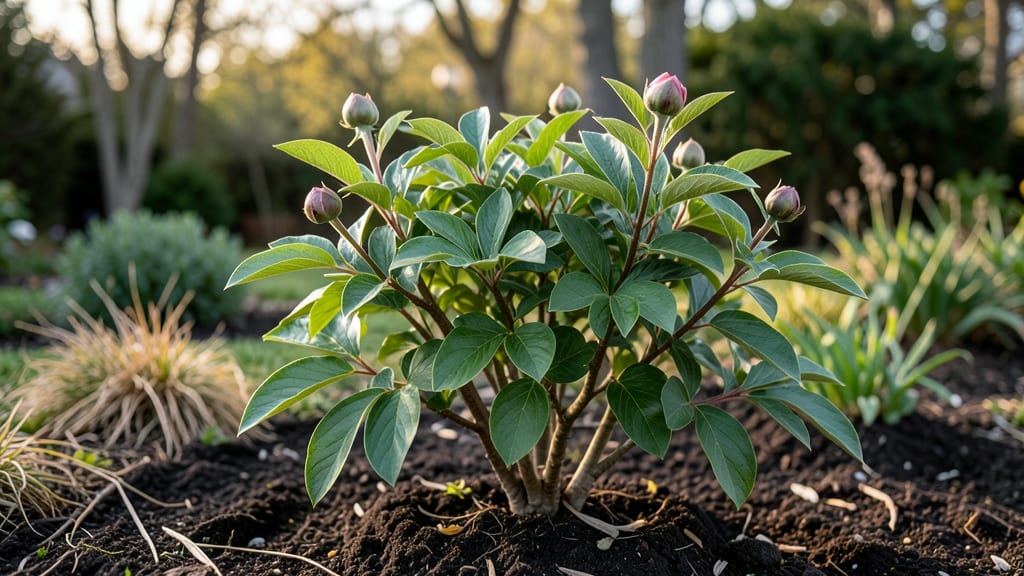
💥 Quick Answer Yes, perennials come back each year because their roots, crowns, or underground stems survive winter dormancy, regrowing foliage once conditions improve—though severe dieback may occur before regrowth…
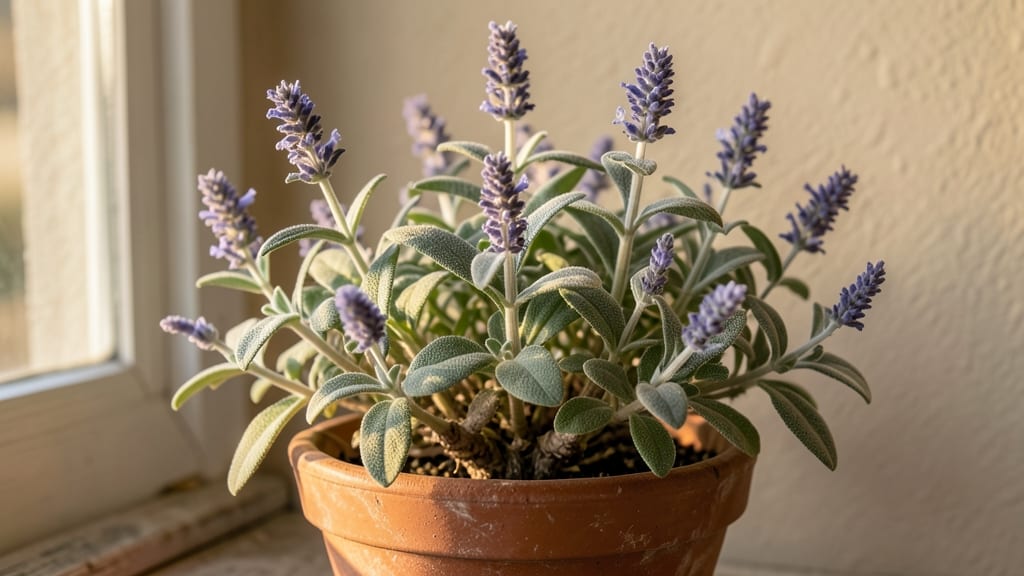
💥 Quick Answer Sage is a perennial plant that thrives in USDA hardiness zones 5 through 8, growing continuously year-round with proper care. It may die back during harsh winters but typically regrows in spring. In…
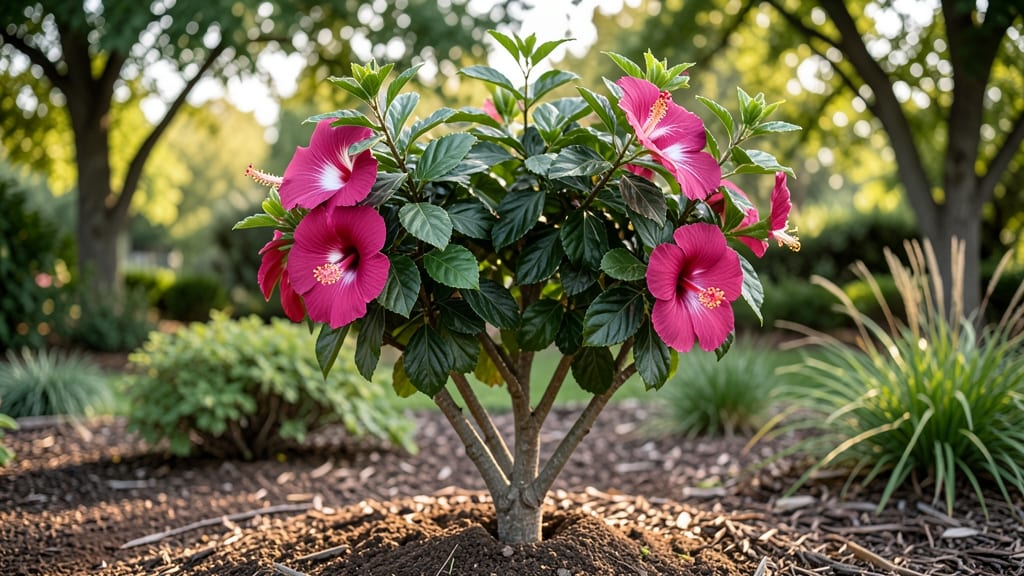
💥 Quick Answer Hibiscus plants are perennials in USDA Zones 8-11, where they grow back reliably each spring with proper care. In colder climates like Zones 3-7, they’re often grown as annuals or tender perennials…
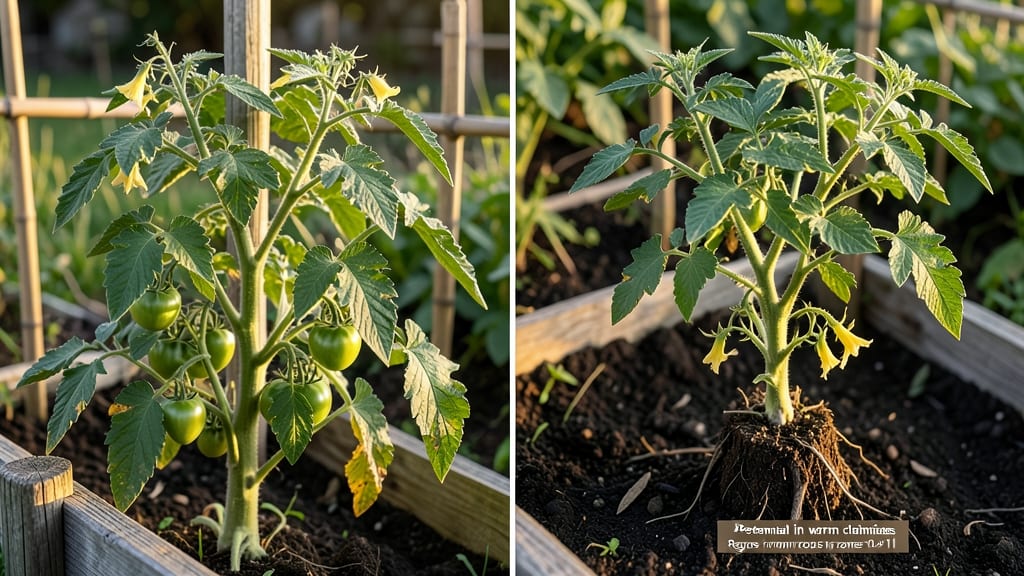
💥 Quick Answer Tomato plants are not perennial—they die after producing fruit in one growing season. However, their roots can sometimes regrow in warm climates, while cold-hardy varieties may survive mild winters with…
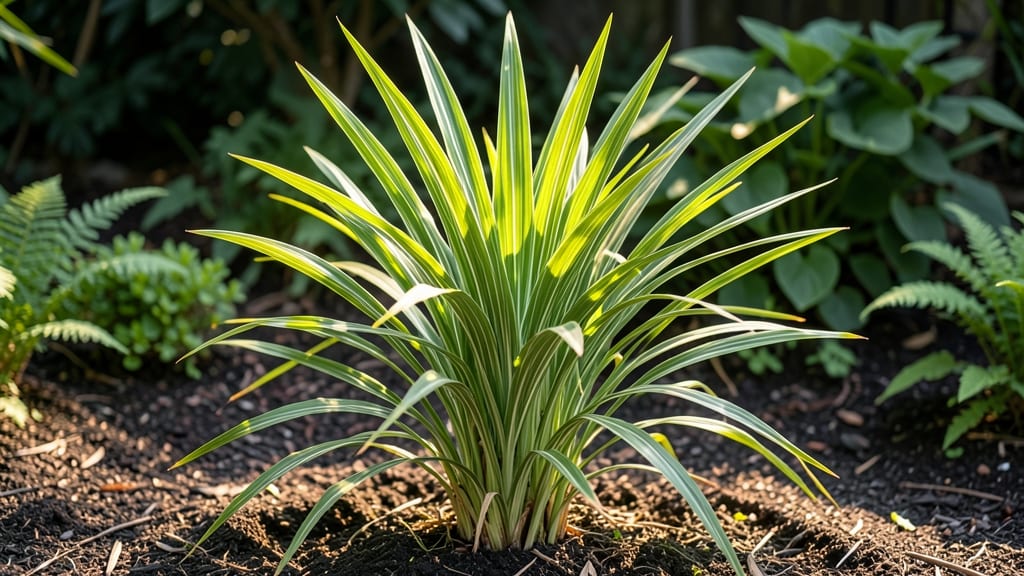
💥 Quick Answer This lemongrass plant is a perennial only in tropical and subtropical climates, thriving year-round in USDA zones 9-11, but dies back to the ground in colder regions. With proper care, it can regrow from…
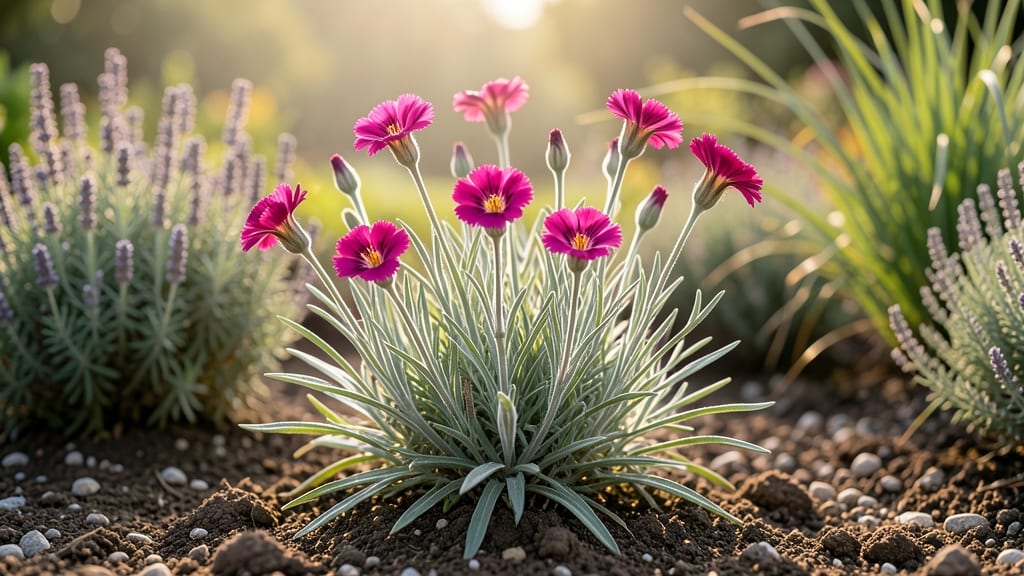
💥 Quick Answer Dianthus is a perennial in most climates, thriving through multiple growing seasons but often dying back to the ground in winter. Cold-hardy varieties survive in zones 3–9, while tender types may need…