
Flowers
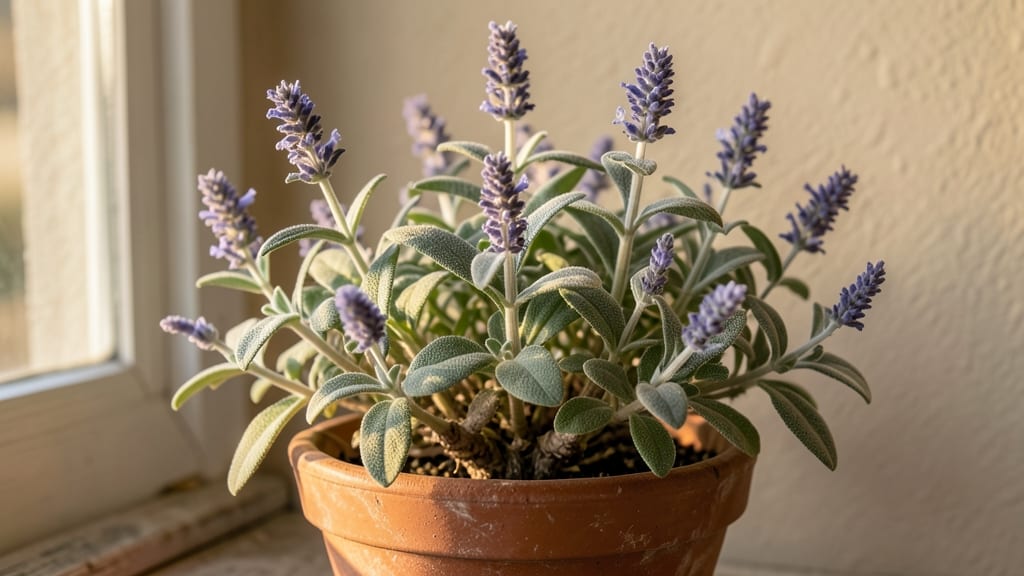
Sage is a perennial plant that thrives in USDA hardiness zones 5 through 8, growing continuously year-round with proper care. It may die back during harsh winters but typically regrows in spring. In colder regions, it’s often treated as an annual or protected with mulch.
This hardy herb belongs to the Salvia genus and naturally survives multiple growing seasons in moderate climates. 🌿 The key to its longevity lies in its ability to enter dormancy during cold snaps, conserving energy until warmer weather returns.
In zones 9 and above, sage thrives as a true perennial with minimal winter care, while gardeners in colder areas must take extra steps to protect it from freezing temperatures.
What makes sage particularly resilient is its deep root system, which allows it to draw moisture and nutrients even in dry conditions. However, its cold tolerance varies by variety—common culinary sage (Salvia officinalis) handles frost better than some ornamental types.
For gardeners in marginal zones, overwintering strategies like heavy mulching or container protection can make all the difference between losing your plant and enjoying fresh leaves year after year.
💡 In This Article
- Sage Plant Lifespan and Cold Hardiness Explained
- How to Overwinter Sage in Cold Climates
Sage plant lifespan and cold hardiness explained
Botanically, sage (Salvia officinalis) earns its perennial classification because it completes its life cycle over multiple growing seasons in ideal conditions. Unlike annuals that live just one year, perennials like sage develop deep root systems that store nutrients and energy, allowing them to regenerate after winter dormancy.
The plant's cold tolerance stems from its ability to enter a semi-dormant state when temperatures drop below 20°F, a process triggered by shorter daylight hours and lower soil temperatures.
The USDA hardiness zone system—ranging from 1 (extreme cold) to 13 (tropical)—helps predict where sage will survive winter. Sage thrives in zones 5-8 because these regions experience winters with minimum temperatures between -20°F and 10°F.
In zone 5, for example, sage may lose its above-ground foliage but survives because its roots remain protected by insulating soil. The deeper the roots (often 12-18 inches deep), the better they withstand freeze-thaw cycles that can heave shallower plants out of the ground.
What most gardeners don't realize is that sage's cold tolerance varies by variety. Culinary sage (Salvia officinalis) handles frost better than ornamental types like Salvia nemorosa or Salvia leucantha, which may require extra protection.
The plant's waxy leaves also play a role—this natural coating helps reduce water loss during cold snaps, a survival adaptation seen in other Mediterranean herbs like rosemary. 🌱 However, prolonged exposure to temperatures below -10°F can damage even hardy varieties, which is why zone 4 gardeners often treat sage as an annual.
Dormancy is sage's secret weapon against winter. During cold months, the plant conserves energy by slowing metabolic processes, much like how deciduous trees drop leaves. This dormancy period can last 3-5 months in colder climates, with regrowth typically beginning in early spring when soil temperatures reach 45°F.
The first sign of life is often purple-tinged new growth, followed by the familiar gray-green leaves that gardeners know. This cycle explains why sage may appear "dead" in winter but returns reliably each spring.
For gardeners pushing sage's limits in marginal zones (like zone 4), the difference between success and failure often comes down to soil preparation. Amending clay or sandy soils with 3-4 inches of compost before winter improves insulation and moisture retention.
The roots' ability to access these nutrients during dormancy directly impacts their resilience. In contrast, poor soil drainage can lead to root rot when combined with spring thaws, making soil health just as critical as temperature tolerance.
Consider this comparison: In zone 7, sage may survive winters with 2-3 inches of mulch, while zone 5 requires 4-6 inches of organic mulch (like straw or shredded leaves) to protect against -15°F temperatures. The mulch acts as a thermal blanket, maintaining soil temperatures 5-10°F warmer than ambient air.
This scientific principle—known as soil thermal insulation—is why gardeners in transitional zones often see better overwintering results with proper mulching than those who rely solely on the plant's natural hardiness.