
Planting
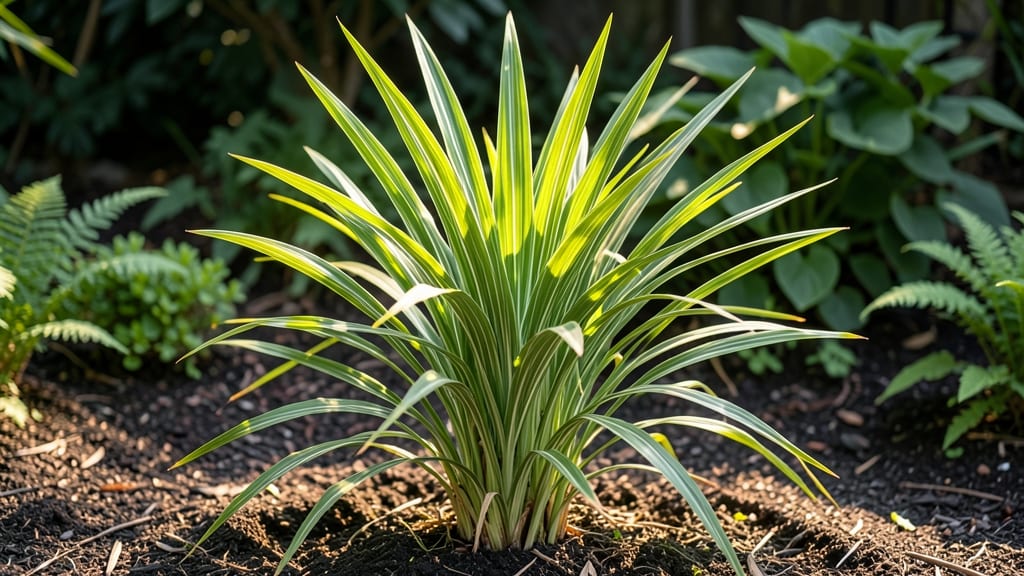
This lemongrass plant is a perennial only in tropical and subtropical climates, thriving year-round in USDA zones 9-11, but dies back to the ground in colder regions. With proper care, it can regrow from rhizomes in spring if protected or dug up for indoor overwintering.
This lemongrass plant is a perennial only in warm climates because its tropical origins mean it can't survive freezing temperatures. 🌱 In colder zones, the plant's above-ground growth will die when frost hits, but the underground rhizomes remain dormant until spring.
This natural survival mechanism lets it bounce back stronger if you protect the roots or move the plant indoors during winter. Many gardeners discover this resilience when they dig up their lemongrass in fall and replant it in pots, only to see fresh shoots emerge months later.
What sets lemongrass apart from other perennials is its rhizome system, which stores nutrients and energy underground. Unlike annuals that complete their life cycle in one season, lemongrass stores resources to regrow when conditions improve.
This makes it a semi-perennial in temperate climates - not quite annual, but not as hardy as true perennials like lavender. The key to success is understanding your local frost dates and acting before the first freeze.
💡 In This Article
- Lemongrass Growth Habits in Different Climates
- Overwintering Lemongrass: Step-by-Step Survival Guide
Lemongrass growth habits in different climates
The lemongrass plant's perennial nature stems from its tropical origins, where temperatures rarely drop below 50°F. In USDA zones 9-11, it grows continuously year-round, sending up new shoots from its underground rhizomes whenever conditions are favorable.
The rhizome system acts like a natural battery, storing carbohydrates and nutrients to fuel regrowth after seasonal slowdowns. This is why you'll see lemongrass in markets year-round in Hawaii or Florida - the plants never truly "sleep" during winter.
In colder climates (zones 7-8), the above-ground growth dies back when temperatures hit 32°F, but the rhizomes remain dormant until spring. The critical difference is that these underground stems can survive light frosts if protected by 3-4 inches of mulch or soil.
What's fascinating is how the plant prioritizes energy - it shuts down leaf production first but maintains root activity until the last possible moment, allowing it to rebound quickly when temperatures warm. This dormancy mechanism is similar to how ginger plants survive winter in their native Southeast Asia.
Here's what happens when temperatures drop below 28°F: the rhizomes experience cellular damage, and even with protection, regrowth may be delayed or stunted. The plant's natural defense is to concentrate sugars in its roots, creating a sort of antifreeze effect that prevents complete freezing.
However, this only works within limits - prolonged exposure to 20°F temperatures will kill even protected rhizomes. This is why gardeners in zone 6 or colder typically treat lemongrass as an annual unless they bring it indoors.
What most people don't realize is that lemongrass exhibits a growth pattern called "monocarpic succession" - it focuses all its energy on producing new shoots rather than flowering until it's established.
This is why your potted lemongrass might look sparse in winter but then explode with growth in spring when days lengthen. The plant's ability to regenerate from just a 2-inch rhizome piece makes it incredibly resilient, which is why it's often called a "come-back plant" in gardening circles.
Consider these key climate factors when growing lemongrass:
- Day length: Needs at least 10-12 hours of daylight for optimal growth
- Humidity: Thrives in 60-80% humidity - dry air causes the leaves to become brittle
- Soil temperature: Roots stay active when soil stays above 60°F
The plant's ability to adapt makes it a fascinating study in tropical plant physiology. While it's not as cold-hardy as true perennials like asparagus, its rhizome-based survival strategy gives it a significant advantage over annuals that must be replanted every season.
This is why many chefs and home growers consider lemongrass a "semi-perennial" - it behaves like a perennial in ideal conditions but requires extra care in marginal climates.