
Plants
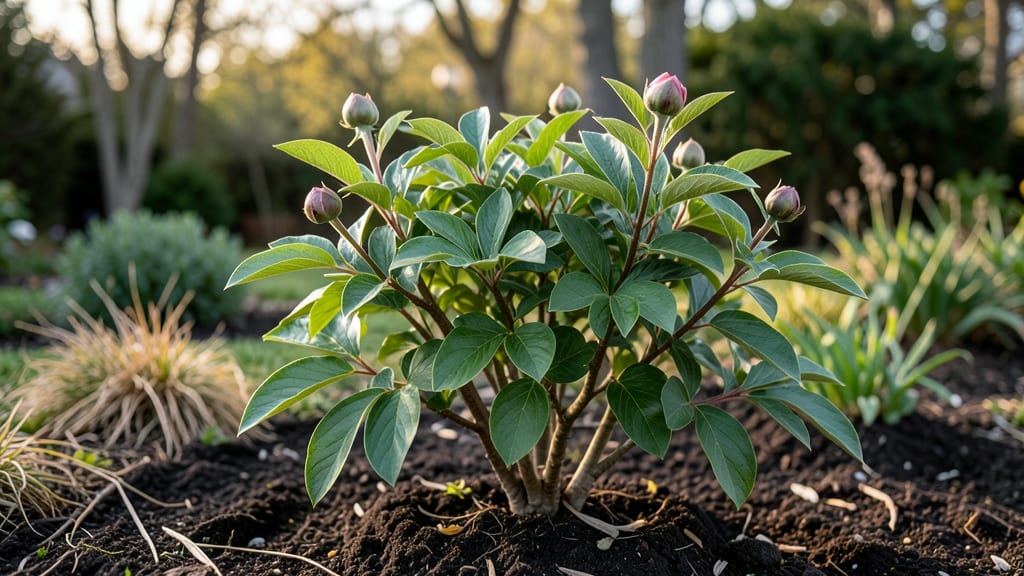
Yes, perennials come back each year because their roots, crowns, or underground stems survive winter dormancy, regrowing foliage once conditions improve—though severe dieback may occur before regrowth resumes.
Perennials rely on specialized survival strategies like rhizomes (horizontal stems) or bulbs (storage organs) that store energy underground during cold months. 🌱 When spring arrives, these structures trigger new growth from stored nutrients, often before you see visible shoots.
The key difference between dormancy and death is whether the plant's root system remains intact—if it does, regrowth is just around the corner, even if the above-ground parts look completely dead.
What many gardeners overlook is that moderate dieback is normal—up to 90% of foliage can brown and collapse while roots stay alive. The real red flags are mushy stems (rot) or no new growth after 4-6 weeks of warm weather.
I've seen peonies and hostas bounce back from what looked like total loss, but only when their crowns were still firm and the soil wasn't waterlogged.
💡 In This Article
- How Perennial Plants Survive Winter Dormancy
- Signs Your Perennials Are Dying vs. Just Dormant
How perennial plants survive winter dormancy
Perennial plants have evolved remarkable underground survival systems that let them "sleep" through winter. The most critical structures are rhizomes (like in iris), corms (crocus), and tubers (dahlias), which store carbohydrates as starches—up to 30-40% of their dry weight in some cases.
These storage organs act like biological batteries, converting sunlight energy into long-term fuel during growing seasons. When temperatures drop below 40°F, the plant's metabolism slows dramatically, sometimes by 90% or more, while roots continue respiring at minimal levels to maintain cell viability.
The crown—the transition zone between roots and stems—is another key survival structure. Many perennials like hostas and daylilies keep their crowns alive year-round, protected by 1-2 inches of mulch that insulates against freezing. Some, like peonies, even produce a protective layer of dead foliage that traps heat.
What's fascinating is how these plants regulate water content: they dehydrate slightly to 30-50% moisture levels (down from summer's 70-80%) to prevent ice crystal formation that could rupture cells. This is why you'll often see wilted but still-green leaves in late fall—the plant is essentially "drying out" to survive.
Light plays a surprising role too. Many perennials use a process called photoperiodism—they detect shortening daylight hours in autumn and trigger dormancy hormones. This biological clock ensures they enter dormancy at the optimal time, typically when soil temperatures hit 50°F.
The roots continue absorbing water and nutrients until the ground freezes, then switch to a maintenance mode where they only use stored reserves. Some perennials, like asparagus, even produce secondary roots deeper in the soil that remain active year-round, creating a safety net if the top growth dies back.
What most gardeners don't realize is how temperature fluctuations trigger regrowth. When spring arrives and soil temperatures reach 55-60°F for several days, the plant's apical meristems (growth points) receive chemical signals to wake up. These meristems contain undifferentiated cells that can differentiate into shoots or roots when conditions are right.
The speed of regrowth varies by species—some like bleeding heart can emerge in 2-3 weeks of warm weather, while others like trillium may take 6-8 weeks because they require specific soil moisture and temperature combinations.
Consider these key survival adaptations:
- Energy storage: Rhizomes store 2-3 times more starch than annuals, fueling regrowth
- Cold tolerance: Some roots can survive -20°F through antifreeze proteins that lower cell freezing points
- Water regulation: Specialized cells called bulkheads compartmentalize water to prevent ice damage
- Nutrient recycling: Dead foliage breaks down to return 50-70% of nitrogen to the soil
The most resilient perennials combine multiple strategies—like the Russian sage, which stores energy in both deep roots and woody stems, allowing it to regrow even after severe winter dieback.
This multi-layered approach explains why some perennials thrive in Zone 3 climates while others struggle in Zone 5, despite being from the same genus. 🌱