
Aphids
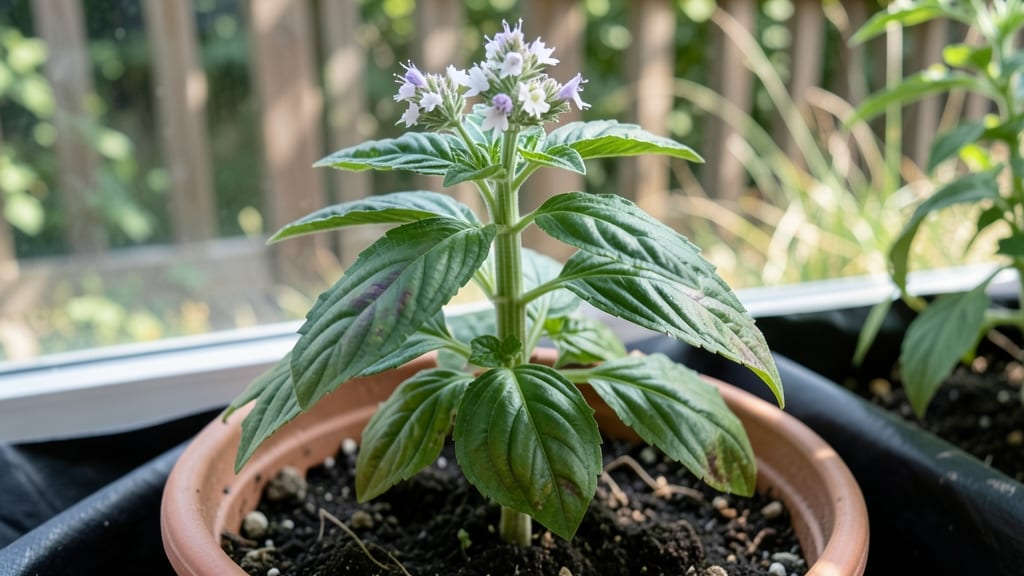
Is sweet basil a perennial? No, it behaves as an annual in most climates, meaning it won't survive winter frost and must be replanted each spring unless you take special steps like overwintering indoors or growing it in containers you can move. Its ability to persist through cold seasons depends heavily on your specific variety and local microclimate conditions.
This herb's tender nature comes from its tropical origins—sweet basil thrives in warm conditions and simply can't tolerate freezing temperatures. 🌱 Even in milder zones, prolonged exposure to temperatures below 32°F will kill the plant back to the ground.
That said, some gardeners in zones 9-11 can grow it as a semi-perennial with proper winter protection, while others in colder regions treat it like an annual for fresh summer harvests. The key difference lies in how you manage it through winter months rather than its inherent hardiness.
What many people don't realize is that sweet basil's growth habit makes it particularly vulnerable. Unlike hardy perennials that develop woody stems or deep root systems, basil remains soft-stemmed throughout its life cycle.
This means even a light frost can cause irreversible damage, which is why most gardeners simply replant from seed each spring rather than trying to overwinter it outdoors.
💡 In This Article
- Why Sweet Basil Fails as a Perennial in Cold Climates
- How to Extend Sweet Basil’s Lifespan Beyond One Season
Why sweet basil fails as a perennial in cold climates
Sweet basil's inability to survive winter stems from its tropical origins. Native to regions like India and Iran, this herb evolved in environments where temperatures rarely drop below 50°F. Its delicate stem structure—soft and herbaceous rather than woody—lacks the protective lignin that hardy perennials like rosemary or thyme develop.
When exposed to frost, these tender stems rupture, and the plant's vascular system collapses, preventing nutrient transport to roots.
The root system also plays a critical role. Sweet basil develops a shallow, fibrous root network that's efficient for warm-season growth but highly susceptible to cold damage. In contrast, perennial herbs like oregano have deep, woody roots that insulate against temperature fluctuations.
Even in USDA Zone 9, where winters are mild, basil often succumbs to sudden cold snaps below 32°F, while hardy perennials remain unaffected. 🌡️
What makes this particularly frustrating is how basil's growth cycle works. By late summer, the plant has already completed its primary flowering and seed production, leaving it vulnerable to winter's approach.
Unlike biennials that store energy in roots for regrowth, sweet basil has no such mechanism—its entire energy is focused on current season growth, not survival strategies.
Another key factor is basil's sensitivity to prolonged cold exposure. Even if temperatures hover around 40°F for extended periods, the plant's metabolic processes slow dramatically. This chilling injury causes cellular damage that manifests as brown, mushy stems and yellowing leaves—symptoms that are irreversible.
Unlike cold-hardy herbs that enter dormancy, sweet basil remains metabolically active until frost strikes.
Comparing sweet basil to true perennials reveals stark differences in their biological adaptations. Hardy herbs like thyme develop thick, silvery leaves coated with trichomes that reflect sunlight and reduce water loss. Their stems remain semi-woody year-round, providing structural support against wind and cold.
Sweet basil, however, remains completely dependent on warm conditions for survival, making it fundamentally unsuitable for perennial growth in temperate climates.
This biological limitation explains why most commercial basil production treats it as an annual crop. Even in regions with mild winters, gardeners typically replant each spring rather than attempting to overwinter the plants.
The energy required to protect basil through winter often exceeds the benefits of having a continuous harvest, making annual replanting the more practical approach for most gardeners. 🌱