I’ve been obsessed with plants since I was a kid, sneaking seeds from my mom’s garden to grow in old tin cans by the back porch. There’s something about watching something small turn into something alive that never gets old. This site is where I share the lessons I’ve learned—from the triumphs (that first tomato!) to the disasters (the time the squash vines took over the whole yard). I aim to make gardening approachable, whether you’re a beginner with a windowsill or a veteran with a full plot.
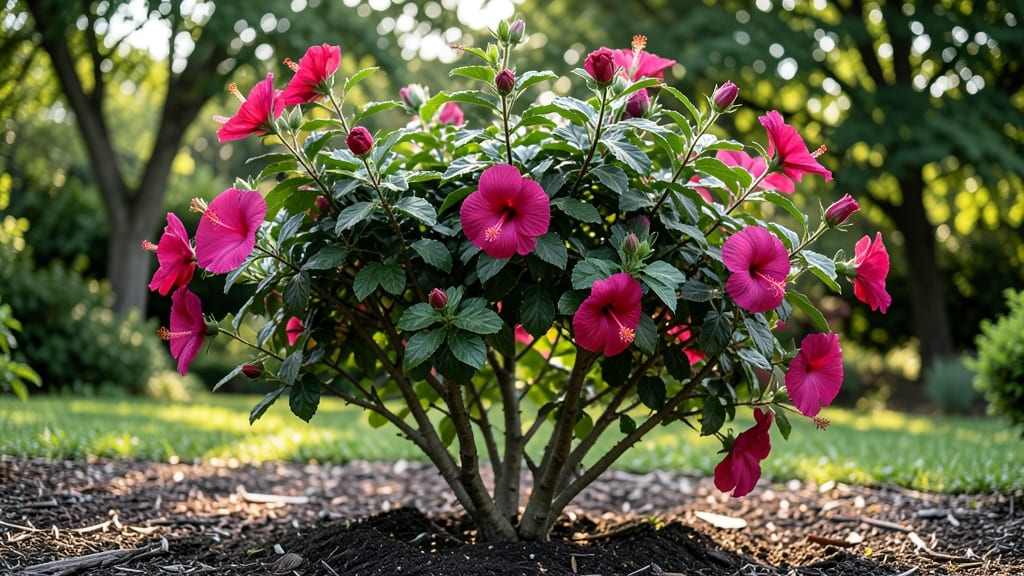
💥 Quick Answer Hibiscus flowers are perennial in warm climates like USDA Zones 8-11, where they regrow each year from their hardy root systems. However, in colder regions, they die back completely during winter and…
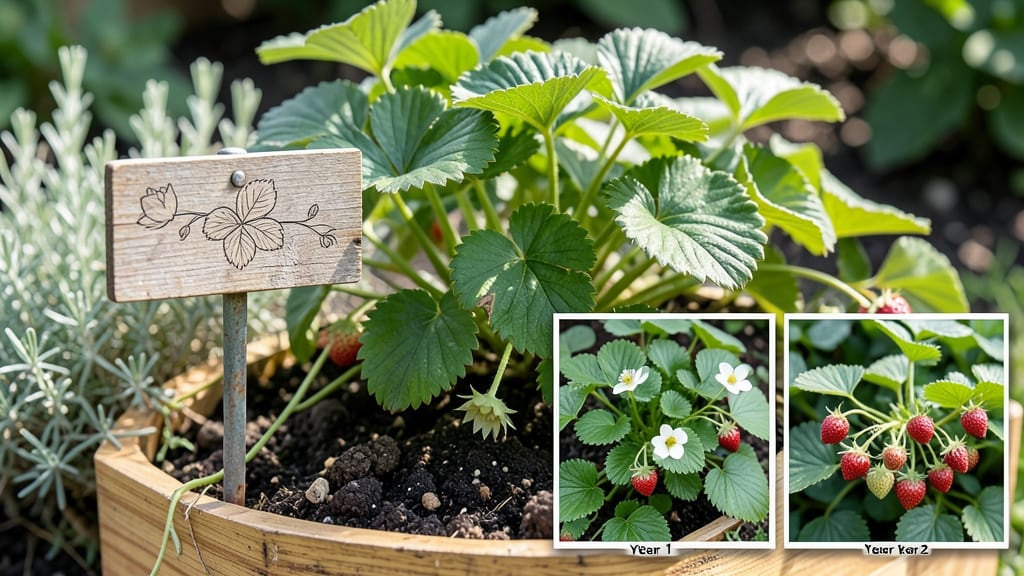
💥 Quick Answer Strawberries are perennials that survive multiple growing seasons but die back to the ground each winter in cold climates, regrowing from their crowns in spring with proper care and protection…
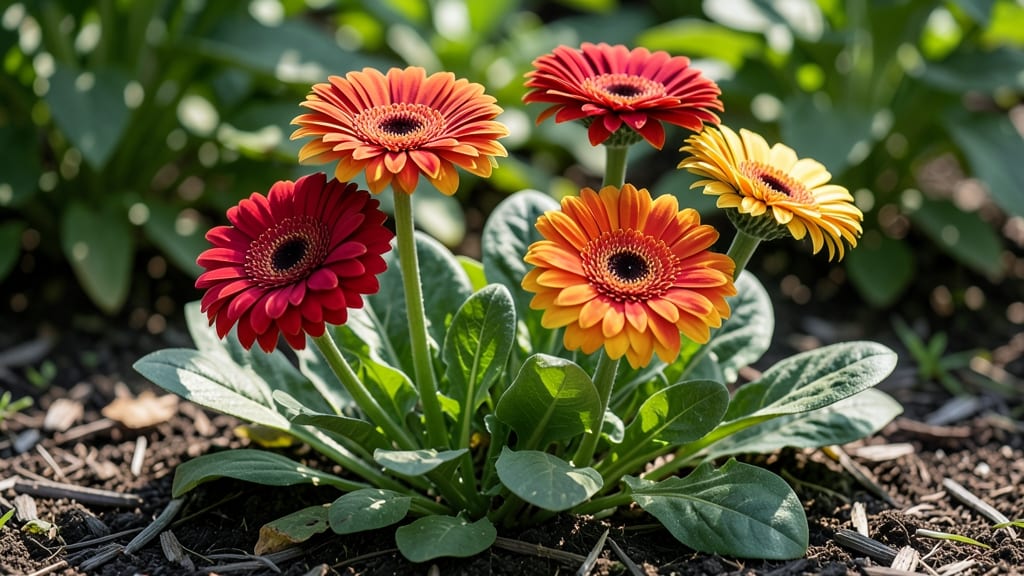
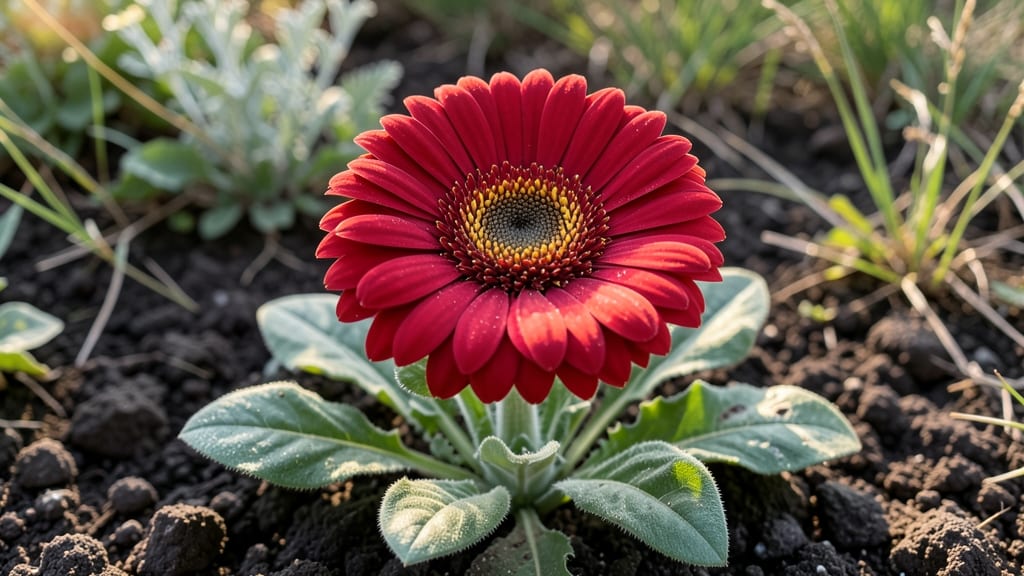
💥 Quick Answer Gerbera daisies are not true perennial plants in most climates—they die back to the ground each year in cold zones but can regrow from their root systems if winter conditions are mild. In warmer regions…
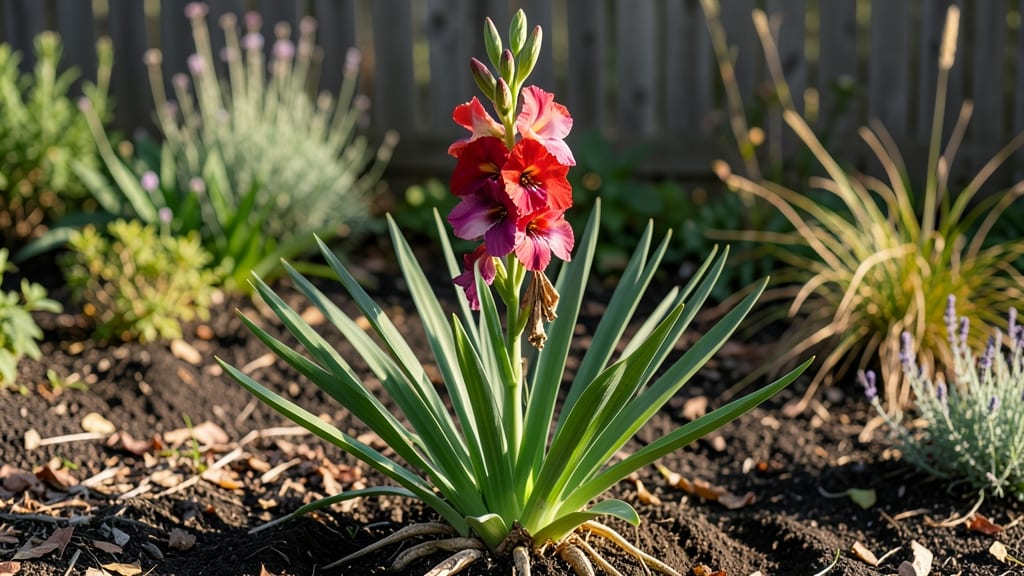
💥 Quick Answer Gladiolus aren't true perennials in most regions—their underground corms die back when frost arrives, forcing gardeners to dig them up each fall. But in warm climates (USDA zones 8+) with consistent…
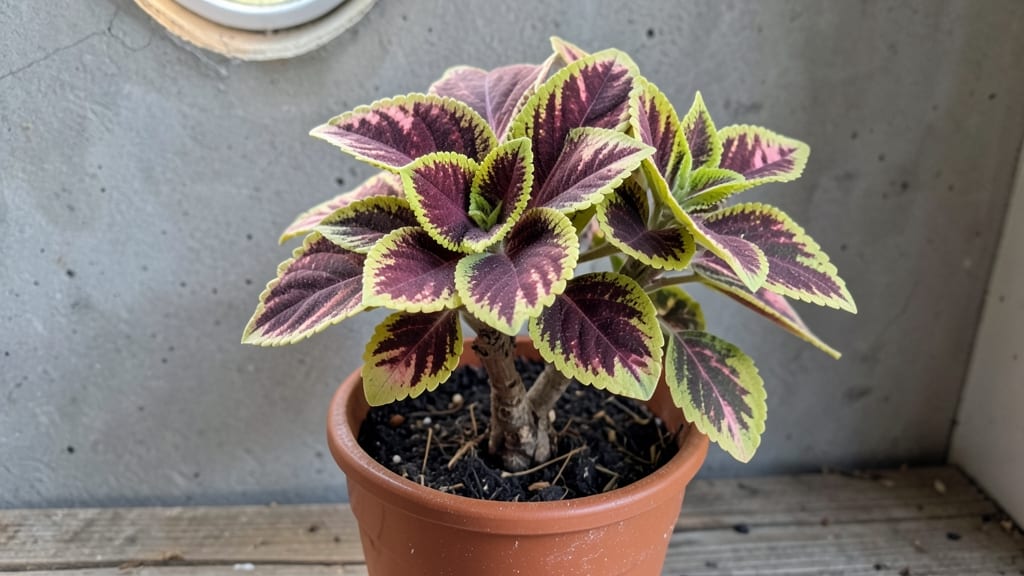
💥 Quick Answer Deciding whether a coleus plant is annual or perennial depends on your climate: it thrives as a perennial in warm, tropical regions but behaves like an annual in colder areas where frost kills its…
💥 Quick Answer Gerbera daisies are NOT true perennials in most climates—they thrive as annuals or tender perennials, dying back in frost but often regrowing from roots in warmer zones (USDA 9-11). Cold snaps typically…
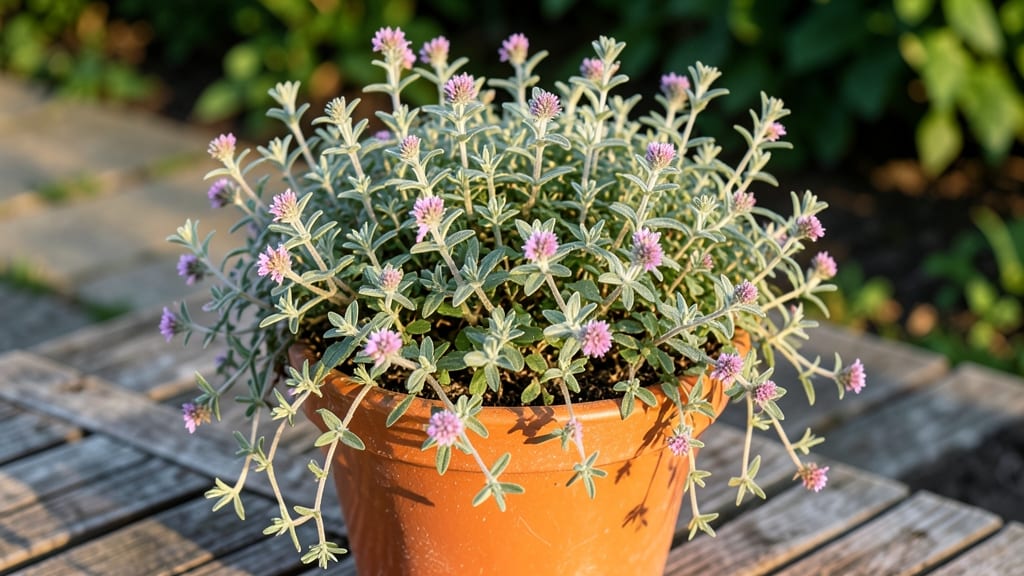
💥 Quick Answer Yes, thyme is a perennial herb that thrives year after year by relying on its hardy root system to regrow after winter dieback. While most varieties handle cold climates well, some may require winter…
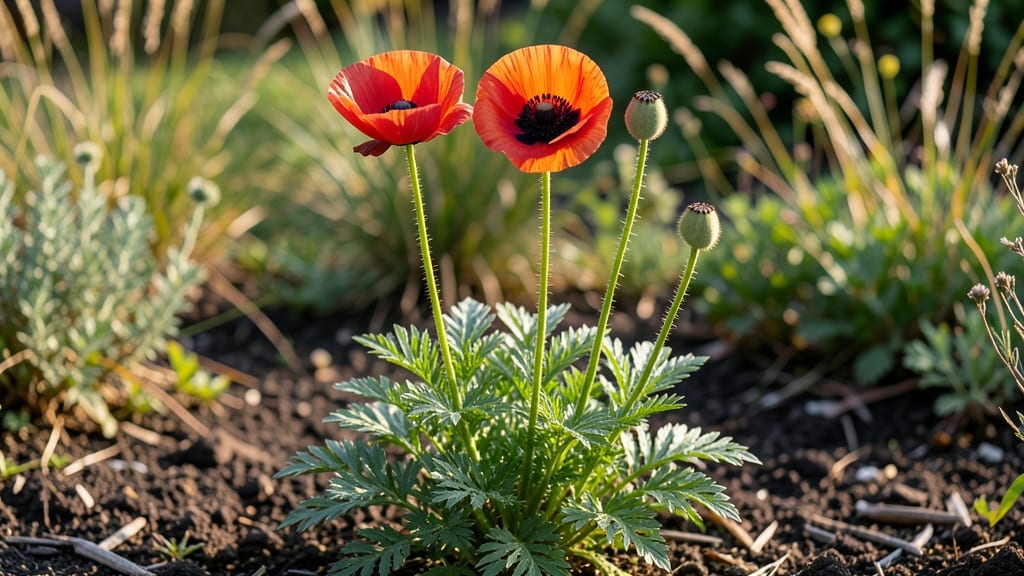
💥 Quick Answer Poppies aren't true perennials—they die back completely each year but spread aggressively through self-seeding, often reappearing naturally in spring. Their longevity varies by type, location, and growing…
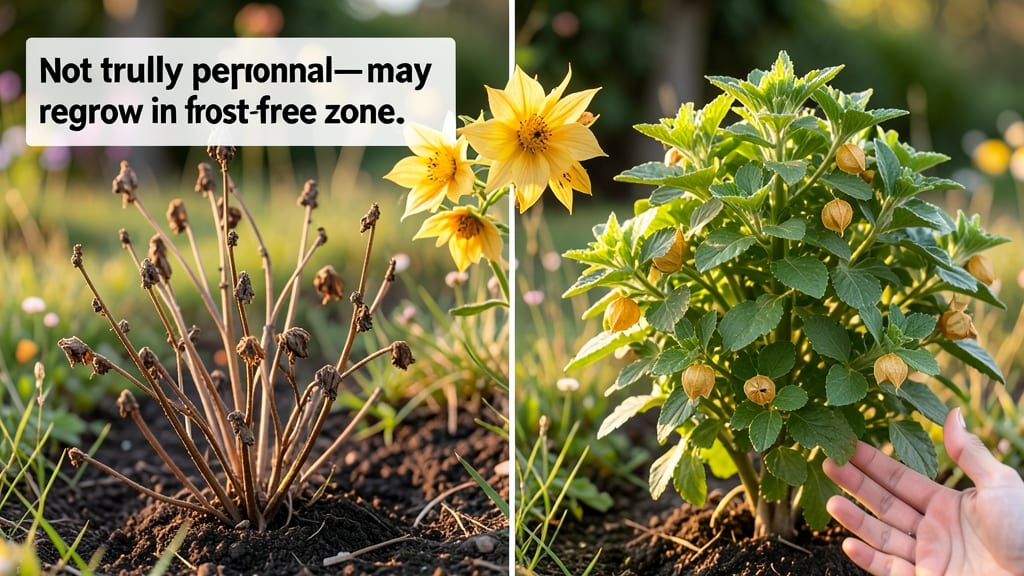
💥 Quick Answer Ground cherries aren't true perennials in most growing zones, even though they may resprout from the base each spring if frost isn't severe. Their above-ground growth dies back completely each winter, but…
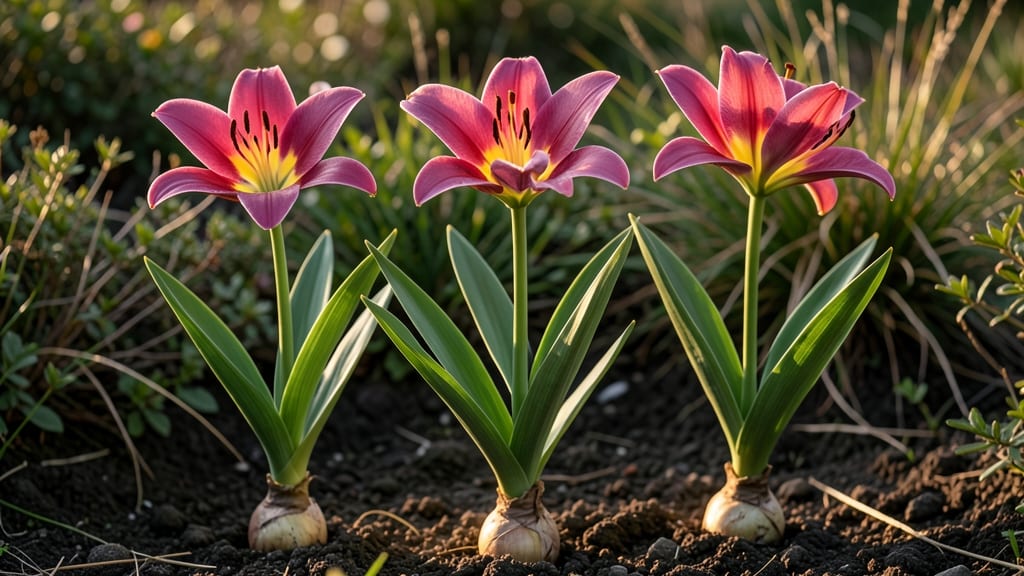
💥 Quick Answer Lilies are perennials because they return each year from underground bulbs, even though they lose their leaves in winter. With proper care, many varieties can live for decades, while their lifespan hinges…