
Plants
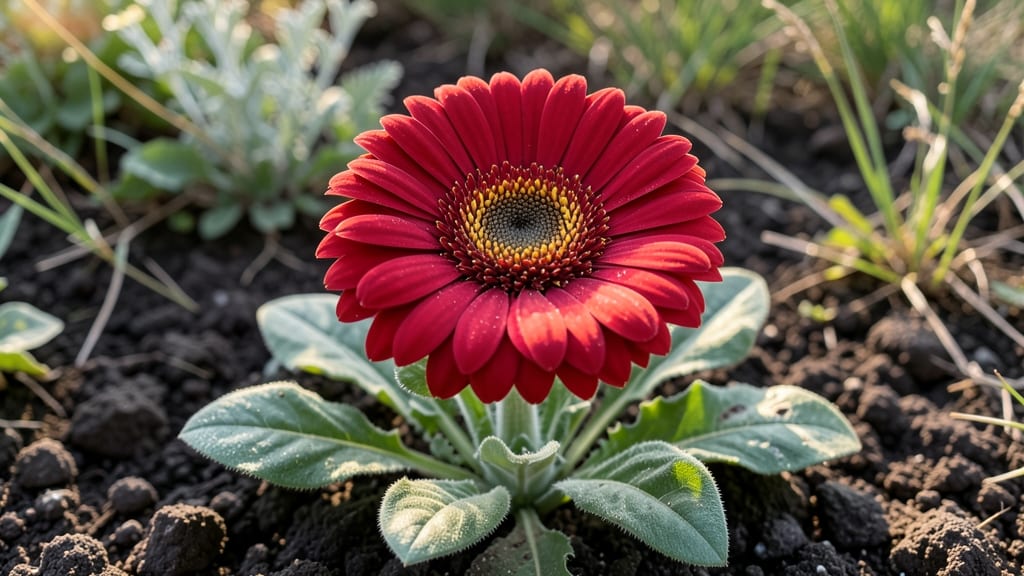
Gerbera daisies are NOT true perennials in most climates—they thrive as annuals or tender perennials, dying back in frost but often regrowing from roots in warmer zones (USDA 9-11). Cold snaps typically kill them unless protected or replanted yearly.
These vibrant flowers originated in tropical South Africa, where they naturally grow year-round without frost. 🌱 In cooler climates, their delicate foliage and crowns freeze back to the ground, but their roots often survive underground—explaining why they sometimes resprout in mild winters.
The key difference from true perennials lies in their inability to withstand prolonged freezing temperatures, which is why gardeners in zones 8 and below typically treat them as seasonal plants. Even in warmer zones, their lifespan is limited compared to hardy perennials like daylilies or coneflowers.
If you're growing gerberas in colder regions, you can extend their life by digging up containers or using thick mulch layers to protect the roots. Many gardeners also save seeds or root cuttings indoors over winter to replant in spring.
The trade-off? While not true perennials, their bright blooms make them worth the annual effort for seasonal color impact.
💡 In This Article
- Gerbera Daisy Cold Hardiness and Winter Survival Secrets
- Year-Round Gerbera Daisy Care: Extending Blooms Beyond One Season
Gerbera daisy cold hardiness and winter survival secrets
Gerbera daisies originated in the frost-free regions of South Africa, where temperatures rarely drop below 50°F. This tropical heritage explains why they struggle in winter—even a light frost (32°F) can damage their delicate leaves, while prolonged cold (20°F or lower) kills the entire plant above ground.
The confusion arises because their roots often survive in USDA zones 9-11, allowing regrowth when temperatures warm. In colder zones (like 7 or below), the roots typically freeze solid, requiring replanting each spring.
The key difference between gerberas and true perennials lies in their crown hardiness. Most perennials, like hostas or peonies, have crowns that can withstand -10°F to -20°F when properly mulched. Gerbera crowns, however, lack this cold tolerance—they simply don't have the biological mechanisms to survive freezing.
Their roots, while tougher, still face limits: in zone 8, they might survive winters with heavy mulch (4-6 inches of straw or leaves), but in zone 7, even this protection often fails.
What makes this tricky is how gerberas behave differently based on their growing method. Container-grown gerberas, for example, can be moved indoors during winter and replanted in spring—effectively making them annuals with a 3-4 month growing season.
In-ground plants, however, may resprout if the roots survive, creating the illusion of perennials. This "false perennials" status is why many gardeners in zones 8-9 treat them as semi-perennials, while those in colder areas replant yearly for seasonal color.
Here's what actually happens during winter: when temperatures drop below 40°F, gerbera foliage turns brown and dies back. The roots, however, enter a dormant state similar to bulbs but without true winter hardiness.
In zone 10, they might survive winters with minimal protection, but in zone 9, even a 2-week frost can be fatal. The science behind this is their lack of antifreeze proteins, which many cold-hardy plants produce to protect cellular structures during freezing.
For gardeners in marginal zones (8-9), the solution often involves deep mulching (using 8-12 inches of organic matter like pine straw) or row covers to raise soil temperatures by 5-10°F.
Even then, gerberas rarely survive multiple winters—most gardeners accept them as seasonal plants with 3-5 months of blooms rather than year-round performers. The trade-off? Their vibrant colors and long vase life make them worth the annual effort for many florists and home gardeners.
What most people don't realize is how gerbera roots behave differently from true perennials. While perennials like daylilies regenerate from rhizomes or corms each spring, gerbera roots are more like fibrous annual roots—they don't have specialized storage organs.
This means they can't sustain the plant through multiple winters without human intervention. In zone 10, some gardeners report gerberas lasting 2-3 years with careful winter care, but true perennial status remains elusive.