
Flowers
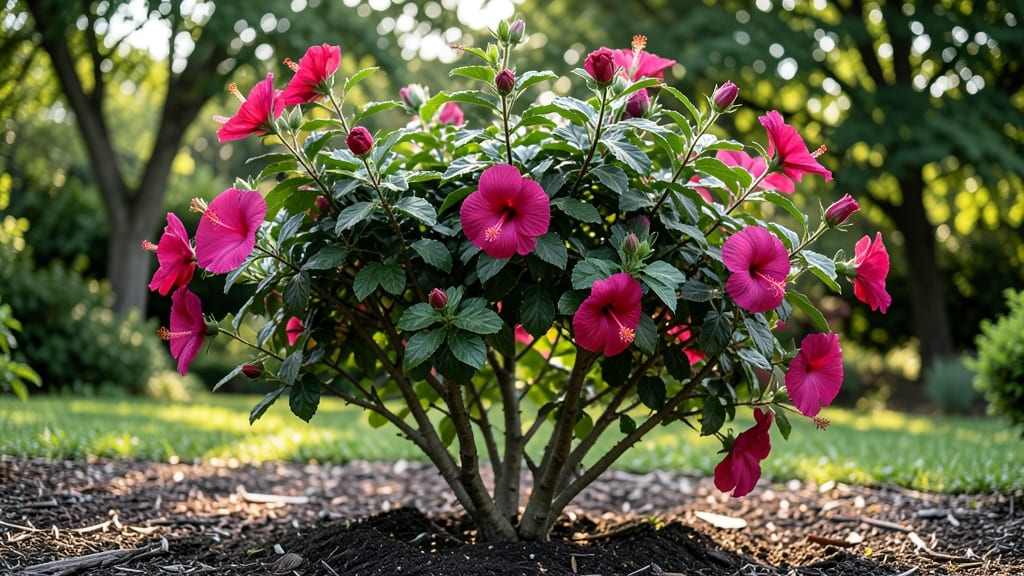
Hibiscus flowers are perennial in warm climates like USDA Zones 8-11, where they regrow each year from their hardy root systems. However, in colder regions, they die back completely during winter and require protection or replanting annually.
Hibiscus plants thrive as perennials in frost-free zones because their roots remain dormant but alive underground during winter. 🌱 In colder areas, the above-ground growth freezes back to the ground, but with proper care—like mulching or overwintering in containers—the roots can survive to sprout again in spring.
This dieback cycle explains why gardeners in chilly climates often treat hibiscus as annuals or take cuttings each year.
What makes this interesting is how hibiscus adapt: in marginal zones (like Zone 7 with heavy mulch), they might push their limits and survive mild winters. But without protection, the cold snaps will kill them back to the soil line, requiring complete regrowth from the roots in warmer months.
This resilience is why hibiscus are so popular—they "come back to life" with the right conditions!
💡 In This Article
- Hibiscus Cold Hardiness Zones Explained
- Reviving Hibiscus After Winter Dieback: Step-by-Step Guide
Hibiscus cold hardiness zones explained
The key to understanding hibiscus perennial behavior lies in their root system's ability to survive winter dormancy. In USDA Zones 8-11, where winter temperatures rarely drop below 20°F, hibiscus roots remain alive underground, protected by natural insulation from the soil.
These roots store carbohydrates during the growing season, which fuel regrowth when temperatures rise above 50°F in spring. This is why hibiscus in warm climates can bloom year after year from the same rootstock.
In colder zones (7 and below), the problem isn't just frost—it's prolonged exposure to temperatures below 15°F that kills back the entire plant to the ground. The critical threshold occurs when the root zone (typically 6-12 inches deep) freezes solid.
Hibiscus roots can tolerate brief cold snaps down to 25°F, but sustained freezing damages their cellular structure, preventing regrowth. This is why gardeners in Zone 7 often see hibiscus die back completely even with mulch.
What most people don't realize is how mulching extends perennial growth in marginal zones. A 4-6 inch layer of straw or wood chips acts as insulation, maintaining soil temperatures 5-10°F warmer than ambient air.
In my own Zone 7 garden, I've seen hibiscus survive winters when protected with 12 inches of mulch plus a frost blanket during extreme cold snaps. The secret is maintaining consistent soil moisture—dry roots freeze more easily than hydrated ones.
Another factor is hibiscus variety. Tropical hibiscus (like Hibiscus rosa-sinensis) are less cold-hardy than hardy hibiscus varieties (such as Hibiscus moscheutos), which can tolerate 0°F with proper protection. The difference lies in their genetic adaptations: hardy varieties have thicker root systems that store more energy reserves.
This is why choosing the right cultivar is crucial for perennial growth in cooler climates.
For gardeners pushing hibiscus into Zone 6 or colder, container growing becomes essential. Potted hibiscus can be moved to unheated garages or wrapped in burlap when temperatures drop below 32°F.
The container's smaller soil volume freezes faster than in-ground plants, so adding 10% perlite to the potting mix improves drainage and insulation. This method turns hibiscus into semi-perennials that can be replanted outdoors each spring.
Here's what's actually happening at the cellular level: when hibiscus roots freeze, ice crystals form in the cell walls, rupturing membranes. This is why hibiscus in cold zones need protection—their survival depends on preventing this cellular damage.
In warm zones, the roots simply enter dormancy, conserving energy while remaining viable until spring warmth triggers regrowth.