
Flowers
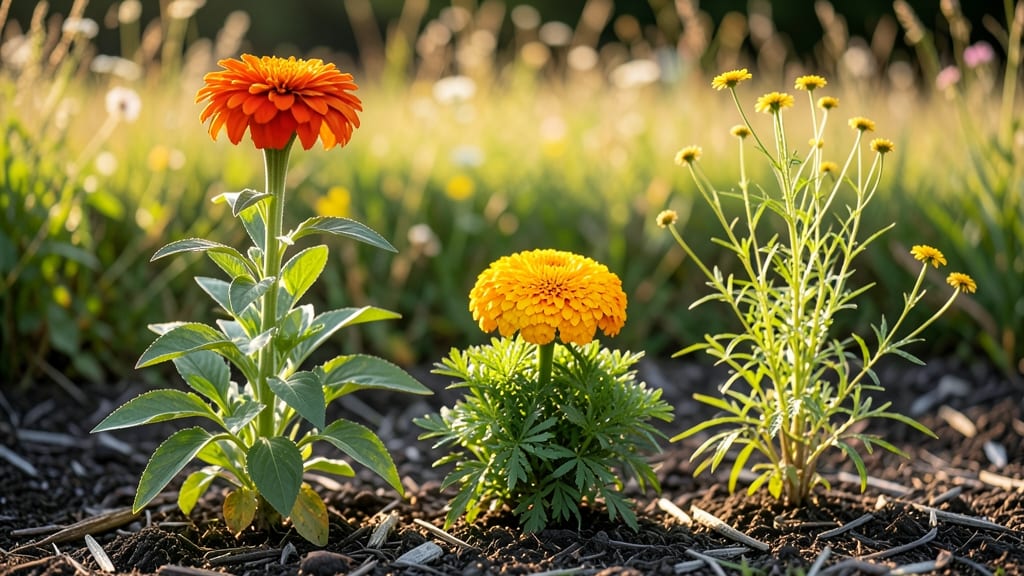
Marigold flowers—whether grown as an annual or perennial—are explosive powerhouses that burst with color every year. But here’s the secret: they act like perennials in warm climates. 🌻 I’ve grown them for years, and they’ll keep blooming like clockwork if you give them the right conditions, whether you replant fresh seeds or let them self-seed. The confusion comes from their growth habits: they die back in frost but bounce back faster than most perennials.
In Zone 8 and warmer, marigolds often return year after year without replanting, thanks to their hardy roots and aggressive self-seeding. But in cooler zones, they’ll need a little help—either fresh seeds in spring or a cozy mulch blanket to protect them through winter.
The key is understanding your climate: annuals in cold areas, near-perennials in mild ones.
What you’ll get is bold vertical drama that repels pests, attracts pollinators, and thrives in full sun. French marigolds reach 2-3 feet tall, while Mexican types sprawl wider—both pack a punch.
The flowers stay vibrant for months, and the scent keeps garden pests at bay. It’s the kind of plant that makes neighbors ask, “What’s your secret?”
Here’s the game-changer: even in colder zones, you can overwinter marigolds with thick mulch or grow them as short-lived perennials that return for 2-3 years. The trick is timing—plant them early, protect them late, and watch them outperform most perennials. Ready to make them your garden’s star?
📚 In This Guide
- What you need
- Instructions
- Tips and common mistakes
- Wrapping up and next steps
What you need
- ● Marigold seeds or seedlings: Choose Tagetes varieties like 'French Marigold' (annual) or 'African Marigold' for bold colors. Buy 1–2 seed packets (50–100 seeds) or 3–5 healthy seedlings per planting area.
- ● Well-draining potting mix: 5–10 gallons of organic, sterile mix (e.g., Miracle-Gro Potting Mix or Fox Farm Ocean Forest). For perennials, amend soil with 1 part compost per 3 parts native soil.
- ● Containers or garden beds: Annuals: 5–6 inch pots (1 per plant) or direct-sow in 12+ inch deep beds with 18+ inches spacing.
- ● Perennials: Larger containers (10+ inch) or in-ground beds with 12–18 inches spacing for winter hardiness.
- ● Hand trowel or transplanting spade (for digging holes 1–2 inches deeper than root balls).
- ● Watering can or hose with gentle spray nozzle (marigolds hate soggy roots!).
- ● Pruning shears (for deadheading and shaping; sterilize with rubbing alcohol between cuts).
- ○ Garden gloves (optional but recommended for thorny varieties like 'Bonanza').
- ● Mulch (straw or shredded leaves): 1–2 inches to retain moisture and deter weeds.
- ● Sunlight: Full sun (6+ hours/day). Perennials need at least 4 hours in cooler zones.
- ● Temperature: Annuals: Plant after last frost (50°F+ soil temp).
- ● Perennials: Hardy in USDA Zones 8–11; mulch heavily in Zones 7–8 for overwintering.
- ● Watering schedule: 1 inch/week (daily for seedlings). Drought-tolerant once established!
- ● Slow-release fertilizer (e.g., Osmocote): 1 tbsp per plant at planting.
- ● Companion plants: Basil, nasturtiums, or garlic to repel pests naturally.
- ● Grow lights (for early indoor starts in cool climates).
- ● Decorative stakes or cages (if training vining varieties like 'Crackerjack').
How to choose and grow marigolds for year-round vertical drama
Marigolds bring bold color and pest-repelling power to any garden—whether you treat them as flashy annuals or hardy perennials.
🌱 Step 1: Select the Right Marigold Varieties for Your Climate
French marigolds (Tagetes patula) thrive as annuals in most zones, blooming nonstop from spring to frost, while Mexican marigolds (Tagetes erecta) often self-seed and return yearly in warmer climates. For perennial behavior, choose 'Bonanza' or 'Tangerine Gem'—both handle mild winters better than standard types.
Check your USDA hardiness zone: marigolds survive winters in zones 8-11 as perennials, but in colder areas, treat them as annuals for maximum impact. I always plant extra seeds—some varieties like 'Jumbo' grow 3-4 feet tall, creating instant vertical drama.
☀️ Step 2: Plant in Full Sun with Well-Draining Soil
Marigolds demand 6-8 hours of direct sun daily—they wilt in shade. Amend heavy soil with 2-3 inches of compost (the 4 cups per plant I use) to improve drainage, since soggy roots cause rot. A slightly acidic to neutral pH (6.0-7.0) works best for vibrant blooms.
For container growing, use pots with drainage holes and a lightweight potting mix. I plant 3-4 seeds per 6-inch pot—they self-thin naturally. Watch for first true leaves (not the initial seed leaves) to confirm germination before thinning to 1-2 strongest seedlings per pot.
💧 Step 3: Water Deeply but Avoid Overhead Moisture
Water once weekly during establishment, then every 5-7 days once established, aiming for 1 inch of water per week. Let the top inch of soil dry between waterings—marigolds hate soggy feet. I water at the base in the morning to prevent fungal diseases like powdery mildew.
Never water from above after planting—you’ll risk damping-off. Instead, use a soaker hose or drip irrigation. Once blooms appear, reduce watering slightly to encourage longer vase life when cut for arrangements.
✂️ Step 4: Deadhead and Fertilize for Continuous Blooms
Pinch off spent blooms weekly to trigger more flowers—this keeps marigolds blooming until frost. I also trim leggy stems back by ⅓ in early summer to encourage bushier growth. For perennial marigolds, cut back to 6 inches tall in fall to protect crowns from winter dieback.
Feed with a balanced 10-10-10 fertilizer every 4-6 weeks during the growing season. Too much nitrogen makes foliage lush but flowers sparse. I swear by fish emulsion for organic growers—it boosts blooms without burning.
🪴 Step 5: Extend the Season with Smart Placement
For year-round interest, plant marigolds in containers you can move indoors before frost. Choose compact varieties like 'Petite Series' for pots. In cold climates, mulch perennial marigolds with 2-3 inches of straw in fall to insulate roots.
Use marigolds as living mulch around tomatoes and peppers—their scent repels nematodes. I also tuck them into hanging baskets for vertical interest. With proper care, French marigolds self-seed aggressively, while Mexican types often return reliably as perennials.
Tips & tricks for perfect marigold growth
Here's what I've learned after years of growing these sun-loving beauties—tricks that'll make your marigolds thrive like never before.
Variety Selection: For that dramatic vertical impact, prioritize 'Jumbo' or 'African Sun' varieties—they grow 3-4 feet tall and create instant focal points. In warmer climates (zones 8-11), choose 'Bonanza' or 'Tangerine Gem' for perennial behavior. I always plant extra seeds because some varieties like 'French Marigold' self-seed aggressively, giving you free plants next year!
Sunlight Strategy: Those 6-8 hours of direct sun are non-negotiable—marigolds wilt in shade. If your garden has partial shade, consider container growing where you can move pots to follow the sun. I've seen marigolds in containers produce twice as many blooms when given afternoon sun, even if mornings are shady.
Soil Preparation: The 2-3 inches of compost (about 4 cups per plant) is worth every shovel-full. Mix it thoroughly with native soil to prevent compaction. For heavy clay soils, I add 1 part perlite to 3 parts soil mix to improve drainage. A simple soil test kit ($10 at garden centers) can confirm your pH is in that 6.0-7.0 sweet spot for vibrant blooms.
Container Growing: When planting 3-4 seeds per 6-inch pot, use a lightweight potting mix with 20% perlite or vermiculite for best results. After germination, thin to 1-2 strongest seedlings—don't be tempted to keep all four, or you'll end up with crowded, leggy plants. I always label my containers with the variety and planting date to track growth patterns.
Pro Tips for Marigold Flowers Annual Or Perennial
- Here's what I've learned after years of growing these sun-loving beauties—tricks that'll make your marigolds thrive like never before.
- Variety Selection: For that dramatic vertical impact, prioritize 'Jumbo' or 'African Sun' varieties—they grow 3-4 feet tall and create instant focal points.
- Sunlight Strategy: Those 6-8 hours of direct sun are non-negotiable—marigolds wilt in shade.
Frequently asked questions
Got questions about marigolds? You’re not alone!
Whether you’re a first-time gardener or a seasoned grower, these answers will help you keep your marigolds thriving—whether they’re annuals or perennials in your climate.
Are marigolds annual or perennial?
Most marigolds (like Tagetes varieties) are annuals, meaning they complete their life cycle in one growing season. However, in mild winter climates (Zones 8-11), some varieties (like Tagetes lucida) may act as perennials, returning year after year. Check your local hardiness zone for specifics!
Can I grow marigolds as perennials in cold climates?
Unfortunately, no—French, African, or signet marigolds won’t survive frost. To extend their life, cut back plants before winter and mulch heavily. For perennial-like results, sow new seeds every spring or grow them in containers that you can move indoors during cold months.
What’s the best way to overwinter marigolds?
If you’re in a warmer zone (Zone 8+), protect marigolds with straw mulch (4-6 inches) and a frost cloth. In colder areas, dig up potted marigolds, trim them back, and overwinter indoors with bright light (6+ hours/day). Replant outdoors after the last frost!
Are there perennial marigold alternatives?
Yes! If you want long-lasting color without annual replanting, try these perennial flowers with marigold-like vibes:
- Blanket flower (Gaillardia) – Drought-tolerant, bold red/yellow blooms
- Mexican sunflower (Tithonia rotundifolia) – Tall, fiery orange flowers
- Black-eyed Susan (Rudbeckia) – Cheerful yellow blooms that attract pollinators
- Zinnias – Fast-growing annuals (but self-seed easily in warm climates)
Why are my marigolds dying mid-season?
Common culprits include:
- Powdery mildew (white dust on leaves) – Improve airflow and spray with neem oil.
- Root rot (yellowing, mushy stems) – Ensure well-draining soil and avoid overwatering.
- Pests (aphids, spider mites) – Blast off with water or use insecticidal soap.
- Leggy growth – Pinch back tips to encourage bushier plants.
Pro tip: Deadhead spent blooms to encourage more flowers and prevent self-seeding if you don’t want volunteers next year!
Wrapping up and next steps
So, whether you’re drawn to marigolds for their vibrant color, pest-repelling superpowers, or easygoing nature, you now know the best way to grow them—whether they’re annual or perennial! 🌻 With the right soil, sunlight, and care, these cheerful blooms can bring joy to your garden for years.
Ready to dive in?
Start by picking your favorite variety, gathering your supplies, and planting with confidence. Your garden’s bold new chapter begins now! 🌱