
Picking
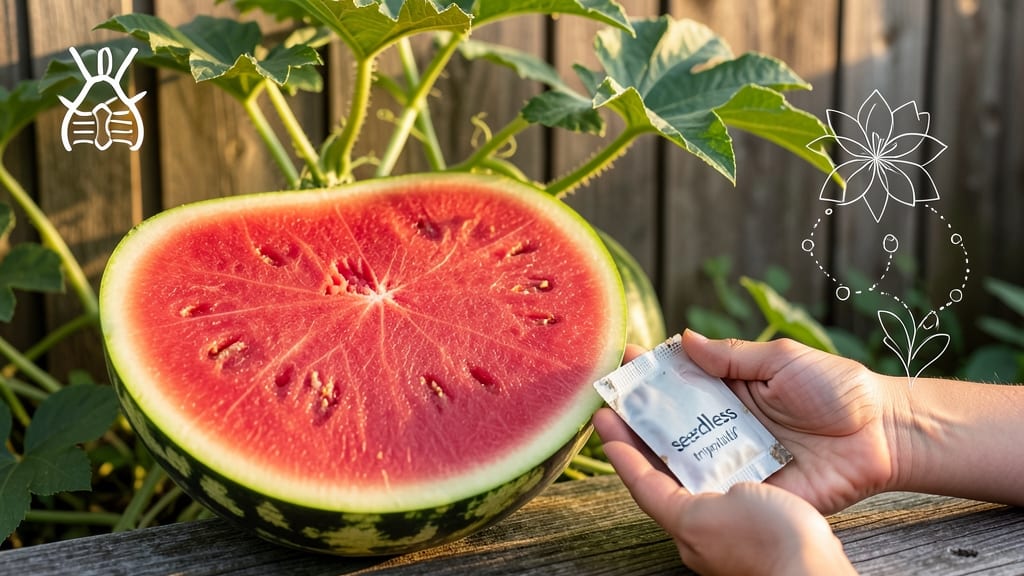
They make seedless watermelon through controlled pollination using triploid seeds, which are produced by crossing tetraploid (four sets of chromosomes) and diploid (two sets) watermelon plants. This genetic process prevents seed formation while maintaining the fruit's natural sweetness and juicy texture.
This clever breeding technique relies on chromosome manipulation—when a tetraploid plant (with double the usual chromosomes) pollinates a diploid plant, the resulting seeds develop into triploid plants. 🌱 The extra chromosome set makes these seeds sterile, so they can't produce viable offspring, but the fruit itself remains perfectly edible.
Many commercial seedless varieties use this same method, though some newer types are produced through natural mutations that skip pollination entirely.
The process isn't just about removing seeds—it's about preserving flavor. Since seedless watermelons develop from sterile seeds, they can focus all their energy on growing sweet, juicy flesh rather than seed production. This is why they often taste even sweeter than their seeded counterparts.
For gardeners, growing seedless varieties requires careful planning, as you'll need to plant both tetraploid and diploid varieties together to trigger the pollination process.
💡 In This Article
- Triploid Watermelon Pollination: The Chromosome Science
- Growing Seedless Watermelons: Pollination Techniques for Home Gardeners
Triploid watermelon pollination: the chromosome science
Watermelon seedlessness starts with chromosome manipulation—a process where breeders create plants with abnormal chromosome counts. Most watermelons are diploid, meaning they have two sets of chromosomes (2n).
But to make seedless varieties, breeders first create tetraploid plants with four sets of chromosomes (4n) by treating diploid plants with colchicine, a chemical that doubles their chromosome count.
When pollen from these tetraploid plants fertilizes a normal diploid watermelon flower, the resulting seeds develop into triploid plants (3n) with three sets of chromosomes.
The magic happens because these triploid seeds can't complete meiosis—the cell division process that produces gametes (sperm and egg cells). With an odd number of chromosomes, the cells can't properly pair up during division, so no viable seeds form.
However, the fruit itself develops normally because the plant's growth processes remain unaffected. This is why seedless watermelons have no seeds but maintain their signature sweetness and texture—commercial varieties like 'Sugar Baby' and 'Black Diamond' use this exact triploid breeding method.
What's fascinating is how this affects the fruit's development. Normally, watermelons allocate about 10-15% of their energy to seed production. In triploid varieties, that energy gets redirected entirely to flesh development, which is why they often have thicker rinds and more juice.
The sugar content can actually increase by up to 20% compared to seeded varieties, as there's no competition for resources. This genetic trick isn't just about convenience—it's a biological hack that makes the fruit more desirable while eliminating waste.
There's a catch, though: triploid plants are completely sterile. They can't reproduce sexually, which means every seedless watermelon you buy comes from carefully maintained parent plants.
This is why commercial seed companies sell special seedless watermelon "seed packets"—what you're actually planting are diploid and tetraploid seeds that you need to grow together to produce the triploid fruit. Without both parent types, you won't get seedless watermelons at all. 🌱
For those curious about the numbers, here's how it breaks down: A tetraploid plant (4n) pollinates a diploid plant (2n), creating a triploid seed (3n). When this triploid seed germinates, it grows into a plant that can't produce seeds because its cells can't properly divide during reproduction.
Yet the plant itself remains perfectly healthy and productive, demonstrating how chromosome manipulation can dramatically alter plant characteristics without harming the organism.
The science behind this process was first developed in the 1930s, but modern seedless watermelons have been refined through decades of selective breeding. Today's varieties not only lack seeds but often have improved disease resistance and longer shelf lives.
The key takeaway is that seedlessness isn't about removing seeds after they form—it's about preventing their development at the genetic level while ensuring the fruit remains delicious and abundant.