
Companion Plants
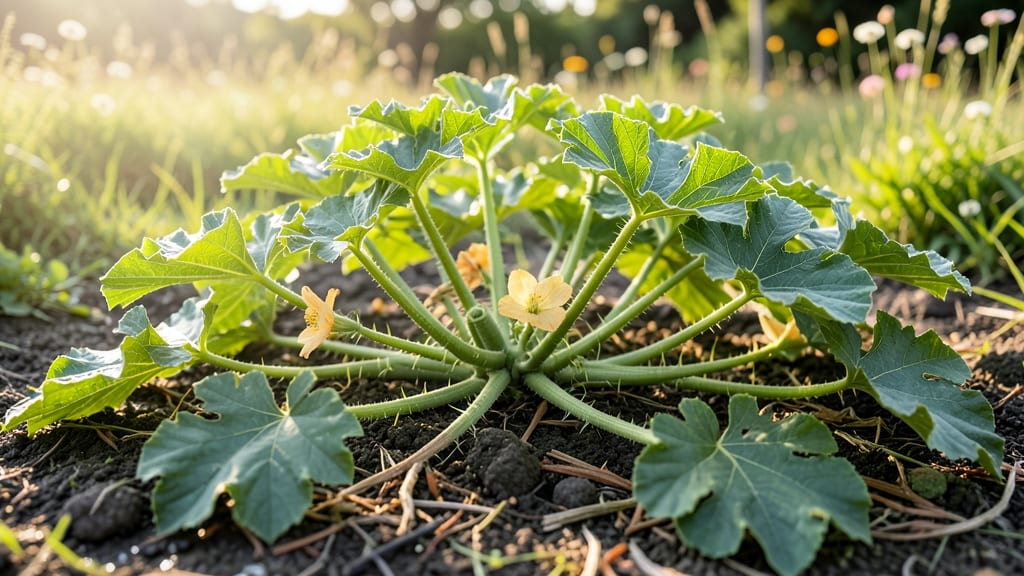
Watermelon plants do have thorns, which grow along the vines and stems as a natural defense mechanism against pests and animals, though they are softer than cactus thorns and less painful to handle with gloves.
Those tiny, sharp protrusions might surprise you if you're used to handling smooth watermelon vines, but they serve a critical purpose. 🌱 Thorns act as the plant's first line of defense against hungry critters like deer or rabbits, deterring them from nibbling on tender leaves or fruits.
Unlike prickly cactus thorns, these are more like fine, hair-like spines that won't pierce through gardening gloves—though they can still snag skin if you're not careful while harvesting.
Interestingly, thorns develop more aggressively when the plant feels stressed—whether from drought, poor soil, or pest pressure. This means well-maintained watermelon plants may have fewer thorns, while neglected ones could become downright prickly. The good news? These thorns don't affect fruit quality—they're purely a survival tactic for the vine itself.
💡 In This Article
- Why Watermelon Vines Develop Thorns and Their Role in Plant Survival
- How to Safely Prune Watermelon Vines Without Getting Pricked
Why watermelon vines develop thorns and their role in plant survival
Watermelon thorns aren't just random growths—they're a sophisticated evolutionary adaptation designed to protect the plant from herbivores.
These tiny, hair-like spines grow from specialized stem tissues called axillary buds, typically appearing in clusters along the main vines and secondary runners. 🌱 The thorns contain silica deposits that harden their structure, making them sharp enough to deter small animals but flexible enough to avoid snapping under pressure.
This dual-purpose design ensures the plant can fend off pests without compromising its own structural integrity.
The primary function of these thorns is defense against chewing insects like beetles, as well as larger animals such as deer or rabbits that might browse on tender leaves or young fruit. Studies show that plants with thorns experience up to 40% less herbivory damage compared to thornless varieties.
Interestingly, watermelon thorns are more concentrated near leaf nodes and along the main stem where new growth emerges—strategic locations that maximize protection for vulnerable areas. Unlike thornless cucumbers or pumpkins, watermelons develop these defenses as a standard trait across most commercial varieties.
What's fascinating is how thorn development responds to environmental stressors. When watermelon plants experience drought or nutrient deficiencies, they produce more aggressive thorn growth as a survival mechanism. This phenomenon, called "induced defense," means well-watered plants in rich soil may have fewer thorns, while stressed plants can become noticeably pricklier.
The thorns themselves contain small amounts of bitter compounds that further discourage herbivores from feeding, creating a multi-layered defense system that's both physical and chemical.
Comparing watermelon thorns to those of other cucurbit plants reveals some interesting differences. Pumpkin thorns, for example, are thicker and more rigid, designed to protect against larger animals like raccoons. Cucumber plants typically produce fewer thorns, relying more on toxic compounds in their leaves.
Watermelon thorns strike a balance—soft enough to avoid damaging the plant's own growth while still being effective against common garden pests. This middle-ground approach explains why watermelon vines can be handled with basic gardening gloves, unlike the more aggressive defenses found in some wild cucurbit species.
The thorns' placement also serves a functional purpose in vine growth. They create small air pockets around the stems, improving circulation and reducing fungal diseases that thrive in dense foliage.
This dual role as both protector and structural support makes watermelon thorns an elegant example of plant adaptation. 🌿 The next time you're harvesting watermelons, notice how the thorns point downward along the vines—this orientation helps channel rainwater away from the stem, preventing rot while maintaining the plant's defensive posture.
For gardeners, understanding this botanical defense system offers practical insights. Pruning watermelon vines during dry periods can reduce thorn density, making harvesting easier while still maintaining the plant's natural protections.
The thorns' presence actually indicates a healthy plant—one that's actively investing energy in its own survival rather than just producing fruit. This dual-purpose growth strategy explains why watermelon plants remain resilient even in less-than-ideal conditions.