
Featured
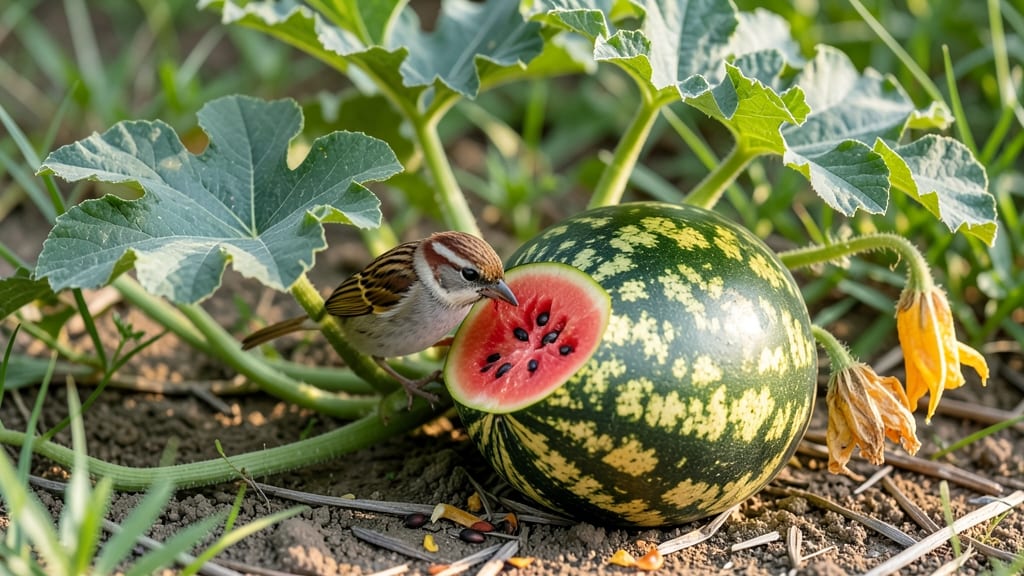
Birds eat watermelon safely, especially the juicy flesh and seeds, which provide hydration and natural sugars, but they generally avoid the tough rind due to its indigestible fiber. While the rind isn't poisonous, large amounts could upset their delicate digestive systems.
Watermelon's sweet, hydrating flesh and nutrient-rich seeds make it a popular treat for many backyard birds, including robins, sparrows, and even hummingbirds. 🌿 The natural sugars offer quick energy, while seeds provide protein and healthy fats—similar benefits to sunflower seeds but in a more refreshing package.
However, the thick, fibrous rind is rarely eaten because birds lack the digestive enzymes to break it down efficiently. If you're feeding birds watermelon, I recommend cutting it into small pieces and removing the rind entirely to avoid any potential digestive issues.
For best results, offer watermelon in moderation—think of it as a special snack rather than a staple food. Birds naturally prefer foods that are easy to digest, so combining watermelon with other bird-friendly fruits like berries or apples creates a more balanced diet.
During hot summer days, watermelon's high water content can be especially beneficial, helping birds stay hydrated while they forage.
💡 In This Article
- Nutritional Value of Watermelon for Birds
- Safe Ways to Feed Watermelon to Birds
Nutritional value of watermelon for birds
Watermelon's juicy flesh is packed with 92% water content, making it an excellent hydration source for birds, especially during hot summer months when dehydration risks rise. The natural sugars (about 6-8% by weight) provide quick energy, similar to how hummingbirds rely on nectar.
This sugar content is comparable to other bird-friendly fruits like grapes (15% sugar) but with significantly more hydration—ideal for species like orioles that need both energy and moisture.
The seeds, often overlooked, contain 18-20% protein and healthy fats, offering nutritional benefits akin to sunflower seeds but in a more digestible package.
Birds like robins and sparrows frequently consume these seeds, which also aid in digestion due to their fiber content. 🌱 The rind, however, contains 1.5-2% fiber that's too dense for most bird digestive systems, leading them to avoid it naturally.
This fiber density is nearly double that of watermelon flesh, making it difficult to break down.
For comparison, watermelon's nutritional profile stands out when stacked against other bird-safe fruits. Blueberries offer 14% sugar but lack the hydration watermelon provides, while apples contain 10-14% fiber—far more than watermelon's rind.
The key advantage of watermelon lies in its balance: high hydration, moderate sugar, and seed protein without the extreme fiber content found in many other fruits.
Birds' digestive systems are finely tuned to process foods with low fiber and high moisture, which is why they instinctively gravitate toward watermelon's flesh and seeds. The rind's tough cellulose structure requires enzymatic breakdown that most birds simply don't possess, making it a poor choice for their diet.
Even if a bird were to consume rind fragments accidentally, the lack of digestive enzymes would likely lead to undigested material passing through their system.
Consider this: a 100-gram serving of watermelon flesh provides about 46 calories, with nearly all coming from natural sugars and minimal fiber.
In contrast, the same weight of rind would offer only 20-25 calories but with 1.5 grams of indigestible fiber—a mismatch for a bird's lightweight digestive tract designed for efficiency rather than bulk processing.
What most people don't realize is that watermelon's nutritional value extends beyond just the flesh. The black seeds, when crushed slightly, release their protein content more efficiently, making them an excellent snack for seed-eating birds.
This is why you'll often see sparrows and finches pecking at watermelon rinds left on the ground—not for the rind itself, but for the seeds that become exposed during the process.