
Pests
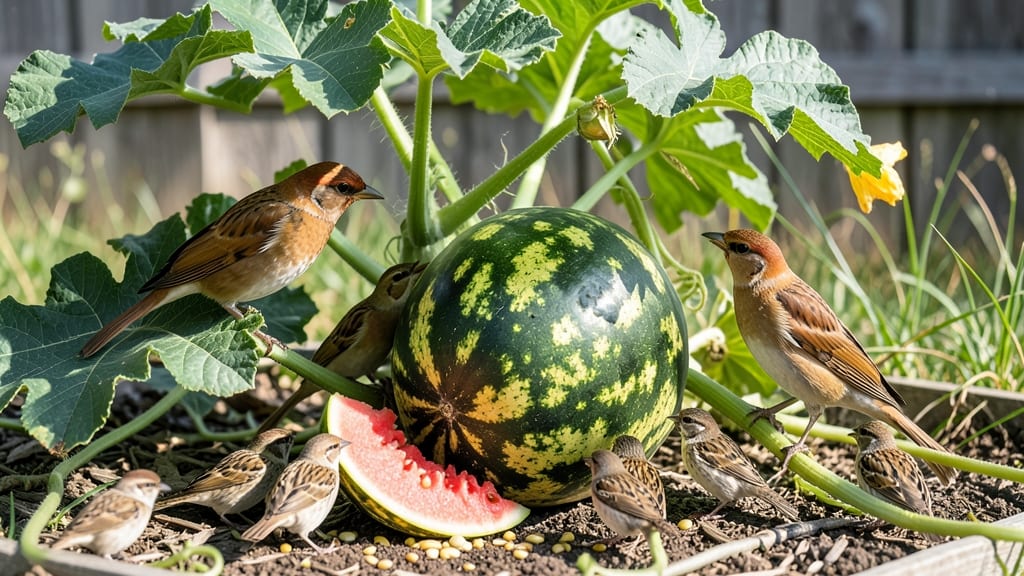
Wild birds do eat watermelon, especially the seeds and rind, which provide hydration, fiber, and protein-rich nutrients. Offer small, seedless pieces to avoid choking hazards and remove uneaten portions after 24 hours to prevent pests or spoilage.
Watermelon isn't just a refreshing snack for humans—birds love it too, particularly the nutrient-packed seeds and fibrous rind. 🌱 The high water content helps keep birds hydrated during dry seasons, while the seeds offer essential protein and healthy fats.
I've noticed robins and sparrows especially enjoy the seeds, though larger birds like cardinals may peck at the juicy flesh. The key is preparation: always cut watermelon into bite-sized chunks to prevent choking, and avoid overfeeding to keep your backyard clean and pest-free.
For best results, place watermelon pieces near bird feeders or on a flat surface where birds can easily access them. Remove any uneaten fruit within 24 hours to discourage mold growth or attract unwanted pests like raccoons.
Pairing watermelon with other bird-friendly foods like mealworms or sunflower seeds creates a balanced treat that mimics their natural diet.
💡 In This Article
- Nutritional Benefits of Watermelon for Wild Birds
- Safe Ways to Feed Watermelon to Backyard Birds
Nutritional benefits of watermelon for wild birds
Watermelon offers birds a hydrating and nutrient-dense snack, especially during dry seasons when natural water sources may be scarce.
The fruit's 92% water content provides essential hydration, while its natural sugars give birds a quick energy boost—similar to how athletes use sports drinks for electrolytes. 💧 The flesh contains small amounts of vitamin C and potassium, which support immune function and muscle activity in birds.
The real nutritional powerhouses, however, are the seeds and rind. Watermelon seeds contain 18-20% protein by weight, making them an excellent plant-based protein source for seed-eating birds like finches and sparrows. The rind provides dietary fiber, which aids digestion and helps birds feel full longer.
Interestingly, the rind's tough texture also helps scrub birds' beaks clean while they peck at it—a natural dental benefit.
While watermelon offers clear benefits, overfeeding can lead to problems. The high sugar content in the flesh can cause digestive upset if consumed in excess, leading to loose droppings or even diarrhea in some species.
Moldy watermelon is particularly dangerous, as it can produce mycotoxins harmful to birds. Always use fresh, organic watermelon when feeding, and remove any uneaten portions within 24 hours to prevent spoilage and pest attraction.
Seasonal availability also matters. In summer, when watermelon is abundant, birds naturally consume more of it due to its refreshing properties. However, during colder months, birds may prefer higher-fat foods like suet or peanuts.
The key is to offer watermelon as a supplementary treat rather than a dietary staple, especially for species that rely on insects or seeds as their primary food source.
Consider this comparison: A 1-inch cube of watermelon contains about 4 calories and trace minerals, while a single sunflower seed provides 5 calories and more protein. Watermelon works best as a hydrating supplement rather than a protein replacement.
For birds like hummingbirds, the nectar-like juice can be particularly appealing, while larger birds like blue jays may focus on the seeds and rind.
What most people don't realize is how the fruit's natural chemistry makes it appealing to birds. The sweetness comes from natural sugars like fructose and glucose, which birds can metabolize quickly.
The seeds' protein content makes them comparable to commercial birdseed mixes, though they lack the fat content found in sunflower seeds. This balance makes watermelon a safe, occasional treat rather than a dietary mainstay.