
Orchid Care
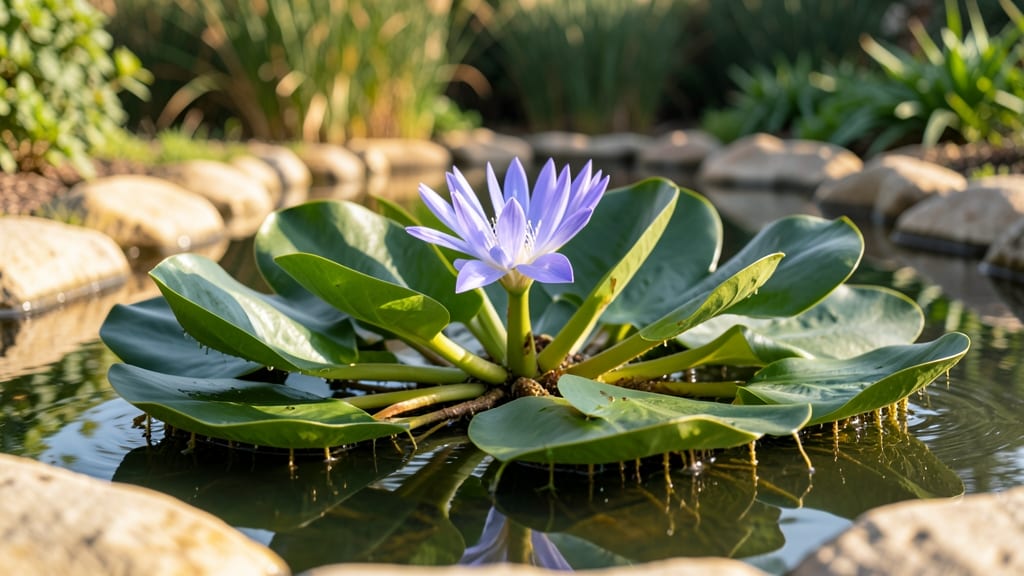
Water hyacinth in Florida is classified as a prohibited aquatic plant under state law due to its rapid spread, which clogs waterways, disrupts ecosystems, and threatens native species. Removal is mandatory, and possession without a permit is illegal.
This invasive plant isn't just a nuisance—it's a full-blown ecological crisis in Florida's waterways. 🌿 The way it spreads is relentless: a single plant can produce thousands of seeds annually, while its dense mats block sunlight, suffocating submerged plants and starving fish of oxygen.
I've seen firsthand how quickly these mats can transform a peaceful pond into a choked, lifeless zone within months.
Florida's strict regulations exist for good reason. Without intervention, water hyacinth could wipe out entire wetland ecosystems that support everything from endangered species to commercial fisheries. The state treats this as seriously as you'd treat a house fire—because once it takes hold, controlling it becomes nearly impossible.
💡 In This Article
- Why Water Hyacinth Is a Major Ecological Threat in Florida
- Legal Steps to Remove or Report Water Hyacinth in Florida
Why water hyacinth is a major ecological threat in Florida
Water hyacinth (Eichhornia crassipes) thrives in Florida’s warm climate, growing at rates of up to 6 inches per day under ideal conditions. Its rapid expansion creates dense mats that block 90-95% of sunlight from reaching water below, starving submerged aquatic plants like hydrilla and tapegrass.
These plants are the foundation of Florida’s wetlands, providing habitat for fish, turtles, and birds—many of which are already endangered due to habitat loss.
The real damage happens when these mats decompose. Water hyacinth has a high nitrogen and phosphorus content (up to 3% dry weight), which fuels algal blooms when it rots. These blooms then deplete oxygen in the water, creating "dead zones" where fish and invertebrates suffocate.
In Lake Okeechobee, for example, water hyacinth infestations have been linked to mass fish kills and the collapse of seagrass beds, which are critical nursery grounds for species like snook and tarpon.
What makes water hyacinth so hard to control is its triple threat of reproduction: a single plant can produce 1,000–2,000 seeds per year, which remain viable for 20+ years in the soil. Even small fragments of the plant can regrow into full-sized specimens—a process called vegetative propagation.
In the Everglades, this has led to 100+ square miles of infested waterways, making manual removal nearly impossible without coordinated efforts.
The plant’s floating roots also create physical barriers that disrupt water flow, increasing flood risks in low-lying areas. Boaters often get tangled in these mats, damaging engines and propellers, while homeowners near canals report clogged drainage systems and mosquito breeding grounds in the stagnant water trapped beneath the plants.
The economic cost? Florida spends millions annually on control efforts, yet the problem persists.
Perhaps most alarming is how water hyacinth outcompetes native species like water lettuce or pickerelweed. Unlike these plants, which have evolved alongside Florida’s ecosystems, water hyacinth has no natural predators here.
In its native Amazon basin, beetles and weevils keep it in check—but in Florida, there’s nothing to stop its unchecked growth. This ecological imbalance is why state agencies treat it like a category 1 invasive, on par with lionfish or Burmese pythons.
Here’s the kicker: even well-intentioned gardeners have accidentally introduced water hyacinth to Florida ponds. A single discarded plant can start a self-sustaining infestation within a season.
That’s why Florida’s Aquatic Plant Management Program enforces strict penalties—because once it’s in your waterway, the battle to remove it is far costlier than prevention. 🌿