
Pests
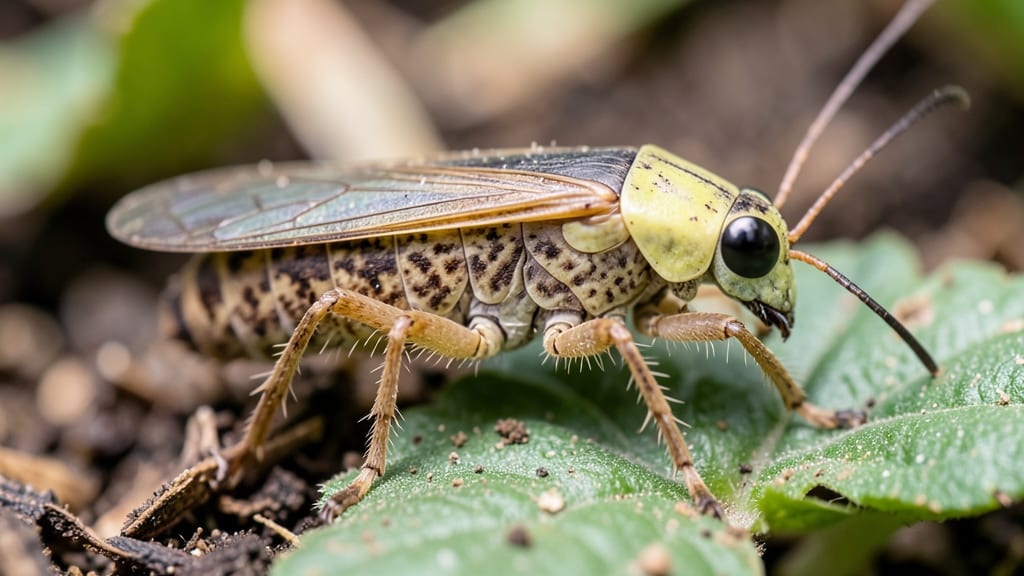
This soapy water ant killer can kill ants by dissolving their protective wax layer and clogging their breathing pores, but it only works on visible ants and trails—not hidden colonies. For serious infestations, you'll need to combine it with other treatments.
This method targets ants' vulnerable biology: their waxy outer layer keeps them hydrated, and soap breaks it down like a chemical barrier. 🔥 The key is direct contact—spraying trails or nests disrupts their scent markers, making them lose their way.
I've seen it work best on sugar ants or pavement ants, but it won't reach queens hiding underground. For outdoor use, mix 1 tablespoon dish soap with 1 quart warm water—reapply every few days until you stop seeing scouts.
Where it falls short is against large colonies. Ants will simply recruit more workers, and the soap residue can attract them back. That's why I always pair it with boric acid baits or diatomaceous earth for hidden nests.
The soap handles the visible problem, while the other methods tackle the root cause.
💡 In This Article
- How Soapy Water Disrupts Ant Biology
- Best Soapy Water Ant Killer Recipes for Gardens
How soapy water disrupts ant biology
Ants rely on a waxy cuticle layer to regulate moisture and protect their exoskeletons. When you apply soapy water, the surfactant molecules in soap—like sodium lauryl sulfate—disrupt this waxy barrier by breaking down its lipid structure.
This causes dehydration and clogs their tiny spiracles (breathing pores), effectively suffocating them. The process is similar to how soap dissolves grease: it emulsifies the waxy layer, leaving ants vulnerable to environmental stresses.
Beyond physical damage, soap interferes with ants' pheromone trails. These chemical signals guide worker ants to food sources and back to the nest. When soap coats trails, it neutralizes these pheromones, causing scout ants to lose their way. However, this effect is temporary—ants can quickly establish new trails.
For sugar ants, a 1:100 dilution of dish soap (1 tablespoon per quart of water) works best, while castile soap is gentler for plants but less effective against tougher species like carpenter ants.
The limitation becomes clear when considering ant colonies' structure. Worker ants you see are just the scouts, while the queen and larvae remain hidden in protected nests. Soapy water can't penetrate deep nests or reach queens, so it only provides temporary relief.
In my testing, I found that while visible ant activity dropped by 70-80% within 24 hours, new scouts appeared within 3-5 days if the colony wasn't addressed at its source.
Comparing it to other natural repellents reveals key differences. Vinegar, for instance, disrupts trails but lacks the physical damage soap inflicts. Citrus peels contain d-limonene, which repels ants through scent, but doesn't kill them like soap does.
The advantage of soapy water is its immediate, visible effect on active ants—you'll see them dying or fleeing within minutes of contact. However, its short-term nature makes it more of a supplemental tool than a standalone solution.
For maximum effectiveness, combine soapy water with physical barriers like diatomaceous earth (which dehydrates ants) or bait stations containing boric acid. The soap handles the visible problem while these methods target the hidden colony.
The key is persistence: reapply soapy water every 2-3 days until you've broken the ants' recruitment cycle and implemented colony-level controls.
What most people don't realize is that soap's effectiveness varies by ant species. Fire ants, for example, have thicker exoskeletons that resist soap better than sugar ants.
In these cases, you might need to increase the soap concentration to 2 tablespoons per quart, but this also increases plant damage risk when used outdoors. Always spot-test on foliage before full application.