
Flowers
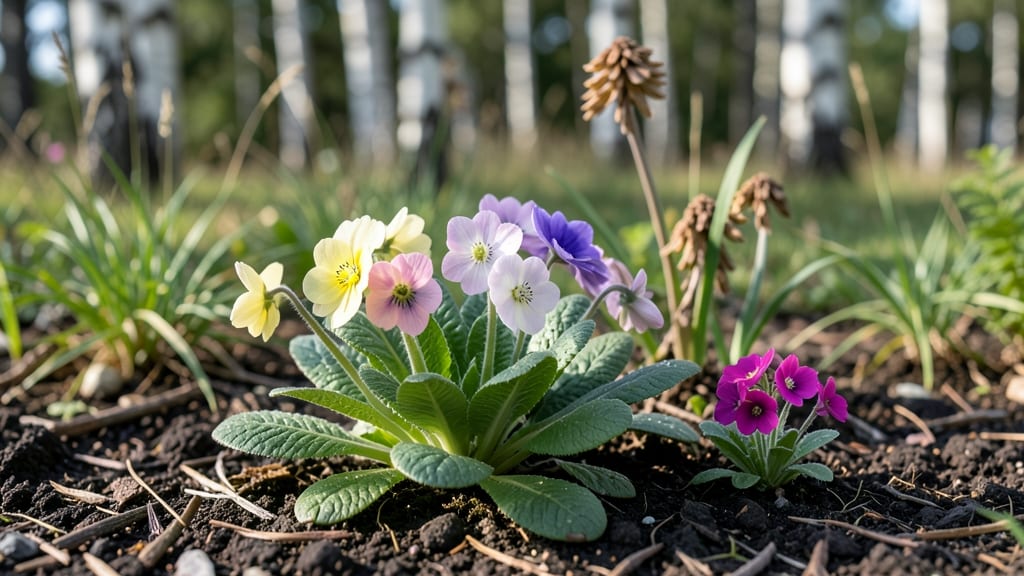
Deciding between primrose annuals and perennials means choosing between fleeting bursts of color or year-after-year reliability. 🌸 I’ve grown both, and the perennials always win for me—they’re like the loyal friends of the garden, returning stronger every spring with minimal effort.
The key difference? Annuals give you bold, seasonal drama, while perennials reward patience with low-maintenance resilience that outlasts the season.
Both thrive in similar conditions: partial shade, moist but well-draining soil, and consistent watering—but perennials handle cold snaps like champions. My cowslip primroses (a perennial variety) push through snow in Zone 5, while annuals like polyanthus fizzle in frost.
The trade-off? Perennials need light pruning after blooming to encourage next year’s flowers, while annuals demand replanting yearly. For me, the perennial’s persistence makes it worth the extra care.
Here’s the game-changer: perennials bloom longer if you deadhead spent flowers and mulch in fall. I’ve seen mine flower from late spring into summer with just a little attention.
Annuals, meanwhile, need weekly deadheading to keep blooms coming—but they’re perfect for cutting gardens or containers where you want fresh faces every season. The choice boils down to whether you prefer convenience or variety.
Pro tip: Mix both! Use annuals for seasonal pops in pots or borders, then anchor them with perennials for structure. My front yard’s shady nook now has a perennial primrose backbone with annuals filling gaps—best of both worlds.
Let’s dive into how to make either (or both!) thrive in your garden.
📚 In This Guide
- What you need
- Instructions
- Tips and common mistakes
- Wrapping up and next steps
What you need
- ● Primrose plants: Annuals: 3–6 plants per 1 sq ft (for vibrant clusters)
- ● Perennials: 2–4 plants per 1 sq ft (for established growth)
- ● Well-draining potting mix: 1–2 bags (1–2 cu ft each), or garden soil amended with compost (50% soil, 50% compost for perennials).
- ● Containers or garden bed: Containers: 6–12" deep pots with drainage holes (1 plant per 6" pot).
- ● Garden beds: Partial to full shade, 6–12" deep soil.
- ● Slow-release fertilizer: 10–10–10 or balanced organic fertilizer (1 tbsp per plant at planting).
- ● Mulch: 2–3" layer of shredded bark or straw (to retain moisture and regulate soil temp).
- ● Garden trowel or hand shovel (for transplanting).
- ● Watering can or hose with gentle spray nozzle (avoid overhead watering to prevent fungal issues).
- ○ Gloves (optional, for handling soil or thorny stems).
- ● Pruners or scissors (for deadheading spent blooms or dividing perennials).
- ○ pH test kit (optional): Ideal soil pH for primroses is 6.0–7.0 (adjust with lime or sulfur if needed).
- ● 🌡️ Cold-hardy varieties: Choose Primula denticulata (perennial) or Primula malacoides (annual) for zones 3–9.
- ● ✨ Container hack: Mix in perlite (20%) to improve drainage for potted primroses.
- ● 🎯 Perennial prep: Divide clumps every 3–4 years in early spring to keep blooms vigorous.
How to plant and maintain primroses for reliable spring color
Primroses thrive where many flowers fail—cold winters and damp springs. Here’s how to plant them for bold, natural returns year after year.
🌱 Step 1: Choose Your Primrose Type and Planting Site
Primroses fall into two categories: annuals (like polyanthus) that bloom once and perennials (like cowslips or oxlip) that multiply underground. Annuals deliver instant color but must replant yearly, while perennials reward patience with self-seeding clumps. I always opt for perennials in shady borders—they spread reliably and return thicker each spring.
Site selection is critical. Primroses crave partial to full shade (they’ll scorch in hot afternoon sun) and well-draining soil that stays moist but never soggy. Test your soil: press a handful—if it holds a shape but crumbles when poked, it’s ideal. Amend heavy clay with 2-3 inches of compost before planting. I mark the spot with a stake to avoid disturbing roots later.
🪴 Step 2: Plant at the Right Depth and Spacing
Dig holes twice as wide as the root ball but only as deep as the container’s base. Primroses hate being buried too deep—their crowns (where leaves meet roots) should sit just above soil level. I use a trowel to loosen roots gently if they’re circling the pot, then place the plant so the top of the root ball aligns with the surrounding soil.
Space annuals 8-12 inches apart for a dense display, while perennials can stretch to 12-18 inches since they’ll spread. Fill gaps with compost-enriched soil, pressing lightly to remove air pockets. Water immediately to settle the soil—you’ll see the crowns settle slightly as moisture fills voids.
☀️ Step 3: Water and Mulch for Winter Resilience
Primroses need consistent moisture but despise wet feet. Water deeply once weekly (or daily in extreme heat) until the top 2 inches of soil feel damp. I check with my finger—if it’s dry at that depth, it’s time to water. Overhead watering can rot leaves, so aim for the base and avoid wetting foliage after dark.
After the first frost, apply a 2-inch layer of mulch (cypress or shredded bark works best) to insulate roots. This keeps soil temperatures stable through winter, preventing heaving when freeze-thaw cycles occur. I leave a 1-inch gap around stems to avoid trapping moisture against the crown.
✂️ Step 4: Deadhead and Divide for Long-Term Growth
Snip spent blooms just above the first set of leaves to encourage new flowers. I use clean scissors and avoid cutting into leaf tissue—this prevents disease entry points. For perennials, divide clumps every 3-4 years in early spring when new growth appears. Dig up the entire plant, separate sections with a sharp knife, and replant the healthiest divisions.
Watch for yellowing leaves—this often signals overcrowding or poor drainage. If the soil stays soggy for days after rain, amend with organic matter to improve drainage. Perennials may self-seed aggressively; I thin seedlings to 2-3 inches apart to prevent competition with mother plants.
⏰ Step 5: Protect from Pests and Winter Damage
Slugs and snails adore primroses. I place copper tape barriers around containers or sprinkle diatomaceous earth lightly around plants (reapply after rain). For severe infestations, handpick pests at dusk when they’re most active—drop them into soapy water to avoid harming beneficial insects.
In harsh winters (below 10°F), mound an extra 1-2 inches of mulch around perennials. Annuals may die back completely, but their roots often survive to resprout in spring. I mark their locations with biodegradable plant markers to avoid disturbing them during winter cleanup.
Tips & tricks for perfect primrose planting and care
These simple yet game-changing strategies will help your primroses thrive for years to come.
Soil Preparation Secret: Before planting, mix 2-3 inches of compost into the soil to improve drainage and fertility. I like to add a handful of perlite or coarse sand to heavy clay soils—this creates tiny air pockets that prevent soggy roots. Test your soil's moisture by pressing a handful; it should hold shape but crumble when poked. This texture ensures primroses get the dampness they love without drowning.
Planting Depth Matters: Never bury primrose crowns more than an inch below soil level. The crown is where leaves meet roots, and burying it too deep suffocates the plant. I use a trowel to gently loosen circling roots before planting, then place each primrose so the top of the root ball sits just above the surrounding soil. This small detail prevents rot and encourages vigorous growth.
Winter Protection Strategy: When temperatures drop below 10°F, add an extra 1-2 inches of mulch around perennials to create an insulating blanket. I use cypress mulch because it breaks down slowly and won't compact like straw. Leave a 1-inch gap around stems to prevent moisture buildup against the crown—this simple spacing prevents winter rot.
Pest Prevention Tactics: Slugs and snails are primrose's worst enemies. I've found copper tape barriers work best around containers, while diatomaceous earth creates a natural barrier in garden beds. For severe infestations, handpick pests at dusk when they're most active. Drop them into soapy water to avoid harming beneficial insects—this method keeps your garden ecosystem balanced while protecting your primroses.
Pro Tips for Primrose Annual Or Perennial
- These simple yet game-changing strategies will help your primroses thrive for years to come.
- Soil Preparation Secret: Before planting, mix 2-3 inches of compost into the soil to improve drainage and fertility.
- Planting Depth Matters: Never bury primrose crowns more than an inch below soil level.
Frequently asked questions
about primroses—whether annual or perennial—can help you make the best choices for your garden! Here are answers to some of the most common queries:Are primroses annuals or perennials?
Primroses come in both forms! Annual primroses (like Primula malacoides) complete their life cycle in one season and must be replanted yearly. Perennial primroses (e.g., Primula denticulata) return year after year, often thriving in cold climates. Check the variety—labels usually specify!
Can primroses survive winter?
Yes! Many perennial primroses are cold-hardy (zones 3–8) and tolerate frost. Mulch the base with straw or leaves in late fall to insulate roots. Annuals, however, won’t survive winter—plant them in spring or early fall for best results. Pro tip: Avoid soggy soil in winter to prevent rot!
How do I keep primroses blooming all season?
Deadhead spent blooms regularly to encourage new flowers. For perennials, fertilize lightly in early spring with a balanced 10-10-10 formula. Annuals may need pinching back after the first flush to promote bushier growth. Ensure they get partial shade (especially in hot climates) to prevent wilting.
Why aren’t my primroses blooming?
Common culprits include too much sun (leads to leaf burn), overcrowding (competition for nutrients), or poor soil drainage. Ensure they’re in well-draining, slightly acidic soil (pH 6.0–7.0) and avoid heavy fertilizers. Perennials may need a rest period—don’t fertilize in late summer!
What are good alternatives to primroses?
If you love primroses but want variety, try:
- Cyclamen – Cold-hardy and blooms in winter.
- Violas – Edible, long-lasting annuals with similar colors.
- Heuchera – Perennial with striking foliage (great for shade).
- Lungwort – Hardy perennial with unique spotted leaves.
Wrapping up and next steps
Whether you’re drawn to the bold, cheerful blooms of annual primroses or the reliable charm of perennials, these cold-resistant beauties bring joy with minimal fuss! 🌸 Their ability to thrive in chilly climates and return year after year makes them a gardener’s dream—perfect for adding color to early spring or extending your garden’s season.
Ready to grow your own? Start by choosing the right variety for your zone, then grab your gloves and get planting—your garden (and pollinators!) will thank you.
Next step: Sketch a cozy corner of your garden where these blooms can shine, and visit our planting guide for seasonal tips!