
Flowers
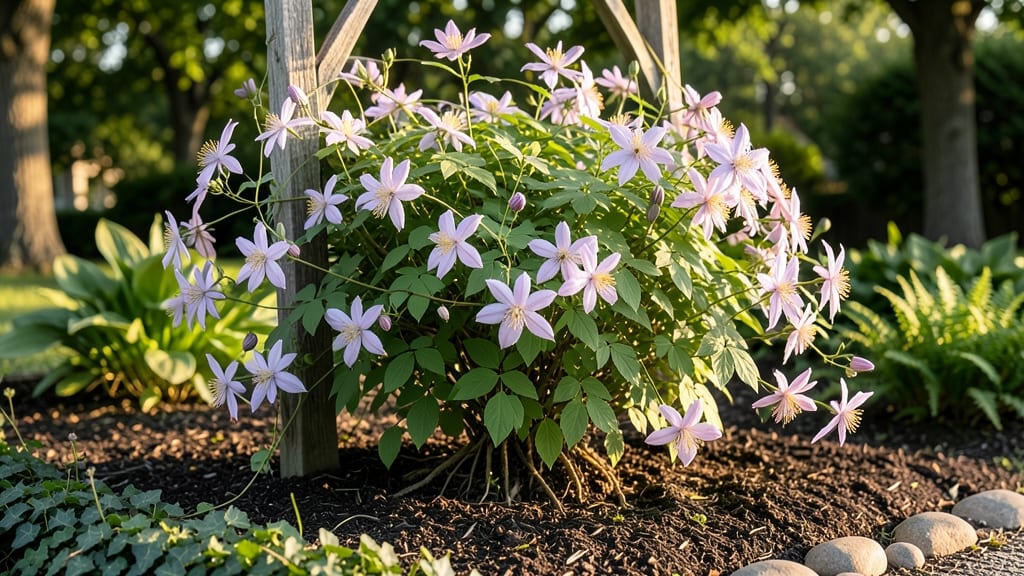
Perennial climbing flowers transform blank walls into living tapestries—no annual replanting required. 🌿 I’ve turned my shady fence into a lush floral curtain using hardy vines that return every spring with barely any effort from me. The secret lies in choosing the right plants for your light and space, then letting them do the heavy lifting. These plants thrive with minimal fuss: water them once a week during dry spells, prune once a year, and watch them climb higher than store-bought annuals ever could. My favorite, clematis, blooms from early summer through fall, while hops provide year-round greenery for privacy. The best part? They outperform flimsy annuals by lasting decades. You’ll create vertical drama that changes with the seasons—spring’s fresh foliage, summer’s cascading blooms, and autumn’s fiery hues. Pair them with ornamental grasses for texture or hostas for shade-loving companions. The results? A garden that feels like a fairy tale, not a chore. Works for any space—balconies, trellises, or even old wooden ladders. Here’s how to pick the perfect climbers for your yard.
📚 In This Guide
- What you need
- Instructions
- Tips and common mistakes
- Wrapping up and next steps
What you need
- ● Perennial climbing plants: Choose 3–5 varieties (e.g., Clematis, Honeysuckle, Climbing Roses, or Passionflower). Opt for disease-resistant cultivars for low-maintenance growth.
- ● Support structures: 1–2 trellises (6–8 ft tall, metal or wood, with diamond or lattice designs for optimal climbing).
- ● OR 1–2 arbors (for larger spaces, 8–10 ft tall).
- ● OR obelisks (for smaller areas, 4–6 ft tall).
- ● Potting mix: 3–5 gallons of well-draining, organic potting soil (mix with perlite or compost for aeration).
- ● Containers or garden beds: 1–2 large pots (15–20 gallons each, with drainage holes) for container gardening.
- ● OR a raised bed (3 ft wide x 6 ft long x 1 ft deep) for in-ground planting.
- ● Fertilizer: 1 lb of balanced, slow-release fertilizer (10-10-10 or organic options like fish emulsion).
- ● Mulch: 2–3 bags of organic mulch (shredded bark or straw) to retain moisture.
- ● Pruning shears (bypass pruners, sharp and clean).
- ● Garden gloves (for protection while handling thorny plants).
- ● Hose with adjustable nozzle (for gentle watering).
- ● Plant ties or soft twine (to guide vines during early growth).
- ● Soil moisture meter (to monitor watering needs).
- ● Decorative lights (solar-powered string lights to highlight climbers at night!).
How to plant and maintain perennial climbing flowers
Here’s how I transform vertical spaces into lush, low-maintenance displays that bloom year after year.
🌱 Step 1: Choose the Right Location and Support
Perennial climbers like clematis, honeysuckle, or climbing roses thrive in full sun to partial shade, with at least 6 hours of sunlight daily. I always check the mature height of the plant—tall varieties (like wisteria) need sturdy 8-foot trellises or arbor frames, while shorter climbers (like morning glories) can manage 4-5 foot obelisks. Install supports before planting so roots don’t disturb them later.
Dig a hole twice as wide as the root ball but only as deep as the container’s base. This prevents burying the stem too deep, which can rot. Amend heavy clay soil with 2-3 inches of compost mixed into the bottom of the hole—perennials reward long-term care with decades of blooms.
☀️ Step 2: Plant at the Correct Depth and Stake for Stability
Remove the plant from its container and loosen tangled roots gently with your fingers. Position it so the top of the root ball sits level with the surrounding soil—never deeper. Fill the hole halfway, then water deeply to settle the soil and eliminate air pockets. This ensures roots make immediate contact with moisture.
Insert 3-4 stakes around the perimeter of the planting hole before backfilling. Tie the main stems loosely to the stakes with soft plant ties (not wire). Climbers grow fast, and proper support from day one prevents flopping. Mulch with 2-3 inches of organic mulch (like shredded bark) to retain moisture and suppress weeds.
💧 Step 3: Water Deeply and Monitor Soil Moisture
Water thoroughly after planting, then again every 2-3 days until the plant establishes roots (4-6 weeks). You’ll know it’s ready when new leaves emerge and the soil feels dry only 1-2 inches deep when touched. Overwatering is the biggest mistake—perennials hate soggy roots.
After the first month, reduce watering to once a week unless your region experiences hot, dry spells. Climbers like clematis need consistent moisture but excellent drainage. If the soil stays damp for more than 48 hours, amend with sand or perlite to improve airflow.
✂️ Step 4: Prune for Health and Encourage Vertical Growth
Prune late winter or early spring (before new growth starts) to shape the plant and remove dead wood. For spring-blooming climbers (like climbing roses), cut back one-third of the oldest stems to encourage vigorous new growth. For summer-blooming varieties (like clematis), trim after flowering to maintain shape.
Train vines along the support by tying new growth loosely every 4-6 inches as it extends. Avoid tight ties—they can girdle stems as the plant thickens. I always leave 2-3 inches of space between the tie and the stem to allow for growth. Fertilize lightly in early spring with a balanced 10-10-10 formula to support new foliage.
🌿 Step 5: Mulch and Protect for Long-Term Success
Replenish mulch annually in early spring to a 2-3 inch layer. This protects roots from temperature swings and retains moisture. In USDA Zones 5-7, I add an extra 4-6 inches of mulch in winter to insulate tender roots. Avoid piling mulch against the stem—keep it 2-3 inches away to prevent rot.
Watch for powdery mildew or aphids on new growth. A neem oil spray applied in early summer prevents most issues. Perennial climbers are low-maintenance, but a little attention in their first year ensures they’ll thrive for decades with minimal effort.
Tips & tricks for perfect perennial climbing flowers
Here's what nobody tells you about keeping these beauties thriving with almost no effort.
Location Intelligence: I always check the mature height of my plants before buying. That 6-hour sunlight requirement? It's non-negotiable for most climbers. For example, clematis needs morning sun and afternoon shade in hot climates, while roses can handle full sun all day. If your space only gets 4 hours of sun, choose shade-tolerant varieties like ivy or climbing hydrangea instead.
Support Setup Secret: Install your trellis or arbor BEFORE planting—trust me, you don't want to be digging around established roots later. For heavy climbers like wisteria, use metal or heavy-duty wooden frames that won't sag under weight. I've seen cheap plastic trellises collapse under a single season's growth. Also, position supports so they're visible from your favorite viewing spot—they become part of the decor too!
Planting Depth Trick: The top of the root ball should sit level with the surrounding soil, never buried deeper. I use a small wooden stake to mark the correct depth before digging. If you bury the stem too deep, it can rot from lack of oxygen. For container-grown plants, check the container's base level—it's your guide for proper depth placement.
Watering Wisdom: Those first 4-6 weeks are critical—don't skip the 2-3 day watering schedule. I test soil moisture by pushing my finger 1-2 inches deep; if it feels dry, it's time to water. For clay soil, I add sand or perlite to improve drainage before planting. The goal is consistently moist but never soggy—think of it like a well-watered sponge, not a swamp.
Pro Tips for Perennial Climbing Flowers
- Here's what nobody tells you about keeping these beauties thriving with almost no effort.
- Location Intelligence: I always check the mature height of my plants before buying.
- Support Setup Secret: Install your trellis or arbor BEFORE planting—trust me, you don't want to be digging around established roots later.
Frequently asked questions
Got questions about growing and maintaining perennial climbing flowers? You’re not alone! Here are some of the most common queries—plus straightforward answers to help you create a stunning vertical garden with ease.
What’s the easiest perennial climbing flower for beginners?
Start with Clematis or Honeysuckle—both are hardy, fast-growing, and forgiving. Clematis thrives in partial shade and pairs well with roses, while honeysuckle attracts pollinators and blooms reliably with minimal fuss. Pro tip: Choose a variety labeled "early," "mid," or "late" to extend your blooming season!
How long does it take for perennial climbers to establish and bloom?
Most perennials take 1–2 years to fully establish, with some (like Climbing Roses) flowering in their first season if planted early. Patience pays off—once rooted, they’ll reward you with decades of blooms with minimal replanting. Pro tip: Deadhead spent flowers to encourage repeat blooming!
Can I grow perennial climbers in containers?
Opt for compact varieties like Clematis ‘Jackmanii’ or Star Jasmine in large containers (15+ gallons) with well-draining soil. Use a trellis or obelisk for support, and ensure the container gets 6+ hours of sunlight. Troubleshooting: Containers dry out faster—water deeply 2–3 times weekly in summer!
What pests or diseases should I watch for, and how do I prevent them?
Common issues include aphids (sap-sucking pests) and powdery mildew (white fungal spots). Preventative care:
- Spray plants with neem oil early in the season.
- Ensure good airflow around vines to deter mildew.
- Remove infected leaves immediately to stop spread.
Do perennial climbers need pruning? If so, when?
Yes! Pruning timing depends on the type:
- Spring bloomers (e.g., Clematis ‘Early Sensation’): Prune right after flowering.
- Summer/fall bloomers (e.g., Honeysuckle): Prune in late winter to shape and remove dead wood.
What’s a low-maintenance alternative to high-climbing perennials?
Try Ivy (Hedera helix) or Virginia Creeper for zero-fuss coverage. Both are perennial, drought-tolerant, and thrive in shade. For flowers, Passionflower is another easy climber with vibrant blooms—just give it a sturdy trellis and consistent watering!
Wrapping up and next steps
Transforming your garden into a lush, vertical paradise with perennial climbing flowers is easier—and more rewarding—than you think! These stunning plants offer year-round beauty with minimal fuss, making them the perfect choice for gardeners of all levels.
Whether you’re drawn to the delicate charm of clematis or the bold drama of roses, these climbers will elevate your space with grace and resilience.
Ready to get started? Pick one (or two!) plants that inspire you, gather your supplies, and let nature do the rest. Before you know it, your walls, trellises, and fences will be adorned with vibrant blooms that keep giving—season after season. Happy gardening! 🌸✨