
Picking
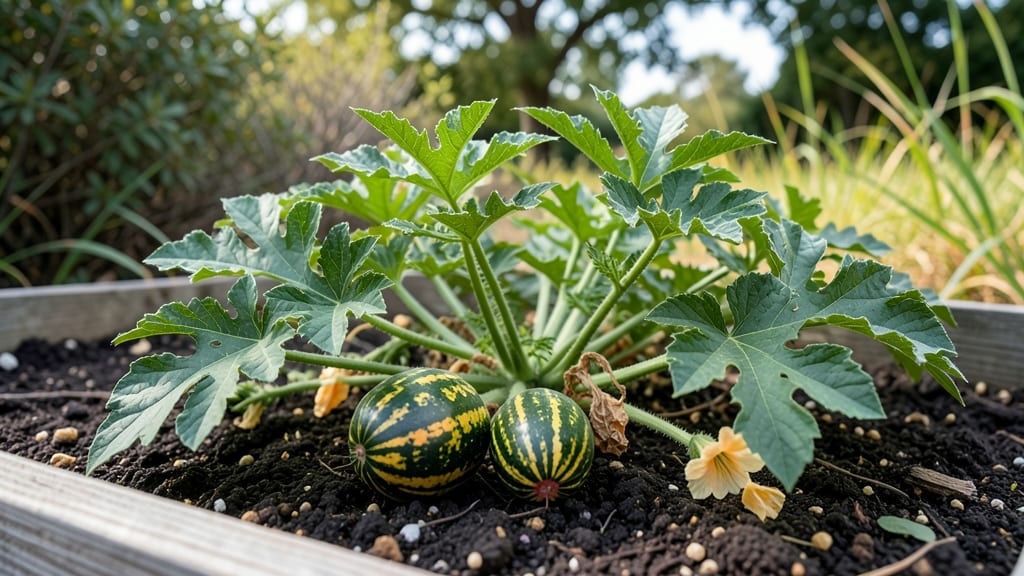
Mexican mini watermelons stay small because their genetics and cultivation methods are specifically designed to limit vine spread and fruit size, resulting in bite-sized fruits typically 3-6 inches wide. These varieties require warm climates, well-draining soil, and minimal space, making them perfect for urban gardens or containers.
These tiny watermelons aren't just a novelty—they're a result of careful breeding and growing techniques. 🌱 Unlike their larger counterparts, Mexican mini watermelons develop on compact vines that naturally restrict growth, while selective pruning keeps the plants manageable.
The key to their success lies in warm temperatures (75-90°F) and consistent moisture without waterlogging, which prevents the fruit from expanding beyond their signature small size.
I've found that container growing works exceptionally well, as it gives you precise control over soil quality and drainage—critical factors for maintaining their petite proportions.
What makes them so appealing is their versatility in both culinary and decorative uses. Their concentrated sweetness means you get more flavor per bite, and their manageable size makes them perfect for snacking straight from the vine or adding to salads and desserts without overwhelming the dish.
Plus, their compact nature means you can grow multiple plants in limited spaces, making them a fantastic option for city dwellers or small homesteads.
💡 In This Article
- Genetic and Environmental Factors Behind Mini Watermelon Size
- Growing Mexican Mini Watermelons: Step-by-Step Guide
Genetic and environmental factors behind mini watermelon size
Mexican mini watermelons owe their tiny stature to a combination of selective breeding and natural growth limitations. Unlike traditional watermelons that can sprawl across large areas, these varieties have been cultivated to develop on compact vines that rarely exceed 3-4 feet in length.
The genetic dwarfing trait restricts both vine spread and fruit size, producing those signature bite-sized melons measuring just 3-6 inches in diameter. This controlled growth isn't just about aesthetics—it's a practical adaptation that makes them ideal for small spaces while maintaining their signature sweetness.
The growing environment plays a crucial role in maintaining their small size. These melons thrive in warm climates with temperatures consistently between 75-90°F, which triggers their natural growth patterns. Too much heat or cold can disrupt this balance, causing vines to either become leggy or produce uneven fruit.
Daylight exposure matters too: they need about 8-10 hours of full sun daily to develop properly, but excessive heat without proper ventilation can stress the plants and lead to larger, less desirable fruit. The soil must be well-draining and rich in organic matter to support their compact root systems.
Pruning techniques are another key factor in controlling size. By selectively removing lateral shoots and keeping only the main vines, gardeners can channel the plant's energy into producing smaller, sweeter fruit rather than allowing the vines to sprawl and develop larger melons.
This method also improves air circulation, reducing the risk of disease that could otherwise affect fruit development. The result is a plant that stays manageable while producing an abundant harvest of those perfect mini melons.
Nutrient management is equally important for maintaining their small size. Too much nitrogen in the soil encourages leafy growth at the expense of fruit development, while balanced fertilization with phosphorus and potassium promotes healthy fruit production.
I've found that a slow-release fertilizer applied at planting time, followed by occasional side-dressing, works best for these compact varieties. The key is to avoid over-fertilizing, which can lead to larger but less flavorful fruit.
These melons also exhibit a unique growth pattern where the fruit sets early in the season, allowing them to mature quickly before the heat of summer becomes too intense.
This rapid development cycle is another reason they stay small—they simply don't have time to grow larger in their short growing window. The combination of genetic traits, careful cultivation, and environmental control creates the perfect conditions for producing these charming mini melons consistently.
What's fascinating is how their small size actually enhances their flavor. The concentrated sugars in these tiny melons make them sweeter per bite than their larger counterparts, which often develop a watery texture as they grow bigger.
This natural concentration of flavor is one of the reasons they've become so popular among gardeners and food enthusiasts alike.