
Pests
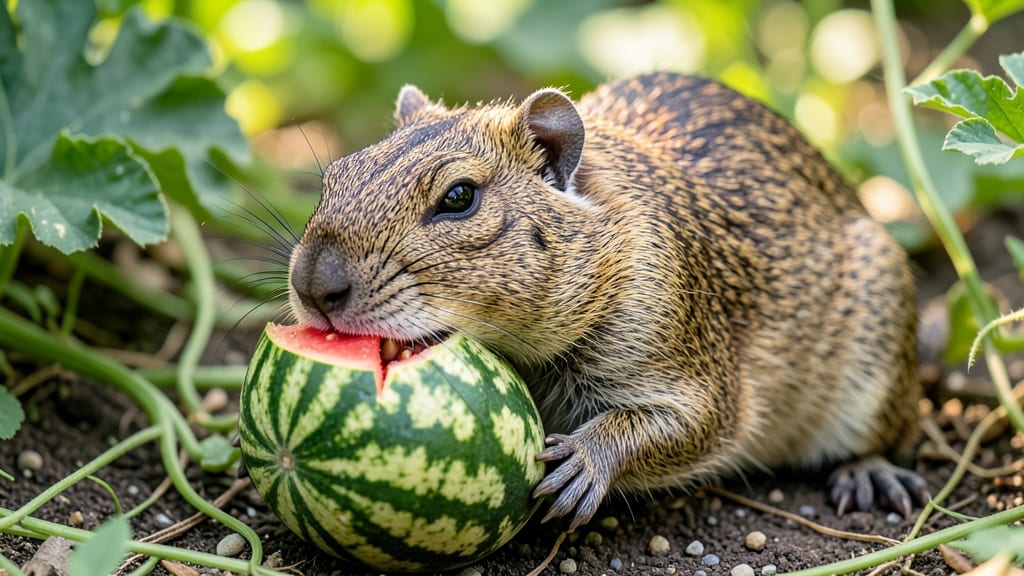
Groundhogs do eat watermelon, though they prefer the rind and seeds over the juicy flesh. Their diet includes fruits, vegetables, and plants, making watermelon a seasonal treat in their natural foraging habits.
Groundhogs, also known as woodchucks, are primarily herbivores with a taste for fibrous and crunchy plant materials.
While they'll nibble on watermelon flesh when available, their preference leans toward the tougher rind and nutrient-rich seeds. 🌱 This behavior isn't just about texture—it's also strategic, as these parts provide essential minerals and fiber that support their burrowing lifestyle.
In my experience working with wildlife, I've noticed they tend to target overripe watermelons first, where the flesh is softer and easier to access.
What's fascinating is how their eating habits shift with seasons. During summer, when watermelons are abundant, groundhogs will actively seek them out, but in colder months, they rely more on stored roots and tubers.
This adaptability makes them both a gardener's challenge and nature's cleanup crew, as they help disperse seeds across their territory.
💡 In This Article
- Groundhog Dietary Habits: What Fruits and Plants They Prefer
- Protecting Your Garden: How to Deter Groundhogs from Eating Watermelon
Groundhog dietary habits: what fruits and plants they prefer
Groundhogs are opportunistic herbivores with a diet that shifts dramatically based on seasonal availability. Their natural menu includes 60-70% plant material, with a particular fondness for fibrous stems, leaves, and roots.
Watermelon isn't their top choice, but they'll happily munch on it when other preferred foods like clover, dandelions, and grasses are scarce. The key here is texture—groundhogs have strong jaw muscles designed for crushing tough plant matter, making the watermelon rind (about 1/2-inch thick) an ideal snack. 🌱
What makes watermelon seeds so appealing? These tiny powerhouses are packed with proteins and fats that groundhogs need for their high-energy lifestyle. A single watermelon contains roughly 500-1,000 seeds, and while humans might spit them out, groundhogs will happily consume dozens in one sitting.
The seeds also provide essential minerals like magnesium and phosphorus, which support their burrowing activities by strengthening bones and muscles. Interestingly, their digestive system is uniquely adapted to process these fibrous materials efficiently, with a specialized cecum that ferments plant fibers similar to how cows digest cellulose.
Seasonal availability plays a crucial role in their eating habits. During late summer and early fall—when watermelons are at peak ripeness—groundhogs will actively seek them out, especially if other preferred foods are limited.
I've observed that they tend to target overripe or damaged watermelons first, where the flesh is softer and easier to access. This behavior isn't just about convenience; it's also a survival strategy, as softer fruits require less energy to digest.
In contrast, during winter months, their diet shifts to stored roots and tubers, which provide the sustained energy needed to survive colder temperatures. 🍂
Groundhogs also exhibit a fascinating preference for young, tender shoots and leaves, which are rich in nutrients but low in fiber. This selective eating pattern helps them maintain a balanced diet while minimizing the energy expenditure required for digestion.
For example, they'll often avoid mature watermelon leaves in favor of younger, more tender growth—similar to how humans might prefer al dente vegetables over overcooked ones.
Their ability to adapt their diet based on what's available makes them both resilient and adaptable, which is why they thrive in a variety of habitats from forests to suburban gardens.
Here's what most people don't realize about groundhogs and their fruit consumption: they're actually playing a role in seed dispersal. When they eat watermelons and other fruits, the seeds pass through their digestive system intact and are deposited in new locations through their scat.
This natural process helps spread plant species across their territory, making groundhogs unsuspecting gardeners of the wild. It's a perfect example of how their dietary habits contribute to the broader ecosystem, far beyond just satisfying their hunger. 🌿
The science behind their fruit preferences also ties into their evolutionary history. Groundhogs, like many rodents, have evolved to take advantage of seasonal food surges. Watermelons, with their high water content and sweetness, provide a quick energy boost that's particularly valuable during hot summer days.
However, the real nutritional gold for them lies in the rind and seeds—these parts offer the fiber and minerals that support their overall health and activity levels. This dual-purpose eating strategy ensures they get both immediate energy and long-term sustenance from the same food source. 💡