
Flowers
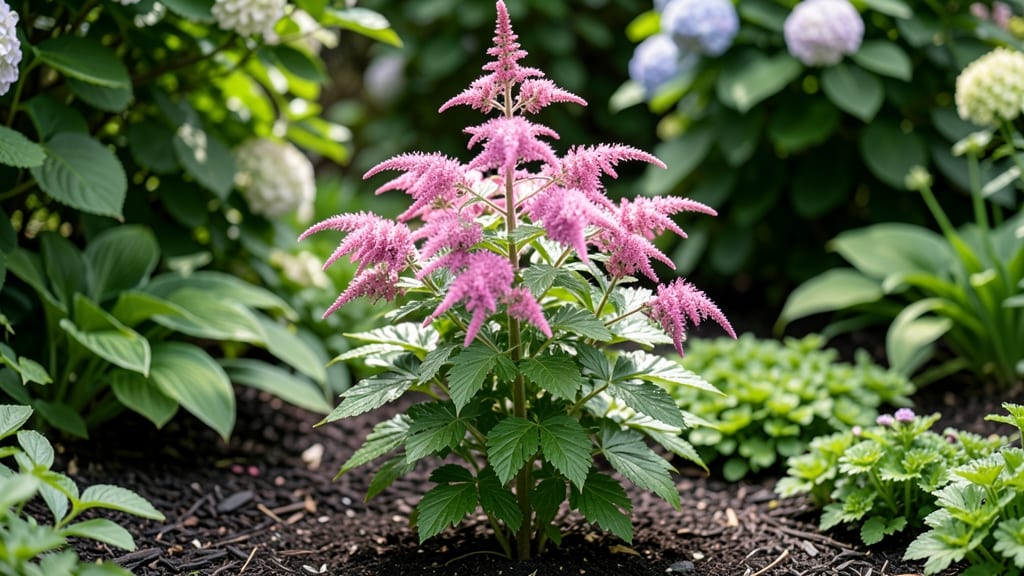
Yes, astilbe is a perennial plant that returns each spring with feathery plumes, thriving in USDA hardiness zones 3 through 8 when given proper winter care and well-drained soil.
Astilbe earns its reputation as a reliable garden staple because its deep root system stores energy underground during winter, allowing it to rebound with vigor once temperatures rise. 🌿 Unlike annuals that complete their life cycle in one season, astilbe's roots remain dormant but intact through freezing conditions, making it a low-maintenance choice for gardeners in colder climates.
The key to its success lies in protecting the crown with mulch during harsh winters—this simple step can mean the difference between a plant that survives and one that thrives year after year.
What sets astilbe apart is its adaptability to different soil types, though it does best in moist, well-draining conditions. Many gardeners divide their clumps every 2-3 years to maintain healthy growth and prevent overcrowding, which naturally extends the plant's lifespan.
The feathery plumes you love aren't just decorative—they're a sign of a plant that's putting all its energy into reblooming each season, making astilbe one of nature's most resilient perennials.
💡 In This Article
- How Astilbe Survives Winter in Different Climates
- Best Practices for Long-Term Astilbe Growth
How astilbe survives winter in different climates
Astilbe's ability to return year after year stems from its specialized root system called a rhizome, which stores carbohydrates like starch and sugars during dormancy. These energy reserves fuel new growth when spring arrives.
Unlike annuals, astilbe roots remain alive underground even in freezing temperatures, with cell membranes adapting to protect against ice crystal formation. This natural antifreeze mechanism allows survival in zones as cold as 3, where winter temps can drop to -30°F.
The plant's winter strategy involves a process called vernalization, where cold exposure actually triggers flowering hormones. This means astilbe needs cold periods to bloom properly in spring.
In milder zones (7-8), where winters rarely drop below 10°F, astilbe may not require protection, but in colder regions, a 4-6 inch layer of mulch (like shredded bark or straw) acts as insulation to prevent crown heaving when soil freezes and thaws.
What's fascinating is how astilbe's foliage strategy differs by climate. In colder zones, the leaves often die back completely, while in warmer zones, they may stay green through winter. This adaptation conserves energy—dead foliage protects the crown, while live leaves photosynthesize when possible.
The key to success in extreme climates is protecting the crown (where stems meet roots) with mulch or burlap wraps during the harshest months.
For gardeners in transition zones (5-6), where temperatures fluctuate wildly, astilbe benefits from microclimate protection. Planting near south-facing walls or under deciduous trees creates a warmer microclimate that extends the growing season.
I've seen astilbe thrive in zone 5 when planted near brick walls, where the masonry absorbs and radiates heat back to the plants.
Another survival trick is astilbe's ability to regenerate from small root fragments. Even if winter damage occurs, as long as 1-2 inches of root remain viable, new shoots will emerge in spring.
This makes astilbe incredibly resilient—it's not uncommon to see plants recover from winter dieback that would kill less hardy perennials.
Consider these climate-specific care tips for optimal survival:
- Zones 3-4: Apply 6+ inches of mulch in late fall and cover with burlap if temps drop below -20°F
- Zones 5-6: Use 4 inches of mulch and plant in sheltered spots to avoid windburn
- Zones 7-8: Minimal protection needed—focus on summer watering to prevent stress
The plant's ability to adapt these strategies makes astilbe one of the most reliable perennials for gardeners seeking consistent seasonal color with minimal effort. 🌟