
Light Requirements
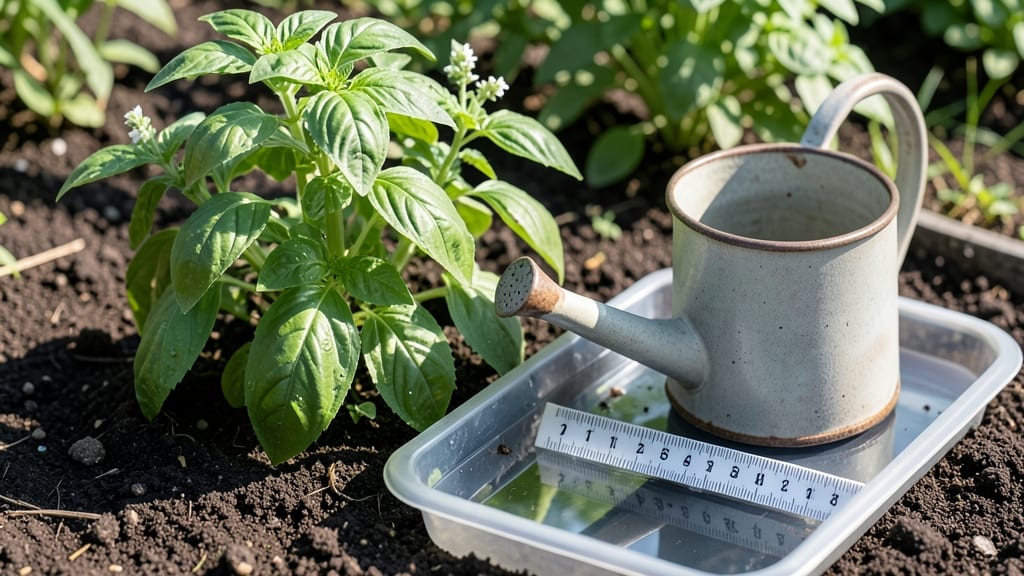
To determine how much is 2 inches of water, you're looking at about 1.04 cups or 8.32 fluid ounces, though container shape affects the exact volume. In gardening, this translates to roughly 0.13 gallons or 0.5 liters—essential for maintaining proper soil moisture for healthy plant growth.
Understanding how much liquid 2 inches represents helps whether you're measuring for cooking, gardening, or DIY projects. The conversion relies on surface area—since volume equals depth multiplied by area, a wide container will hold more than a narrow one.
For example, a 12-inch pot with 2 inches of water holds about 1.5 cups, while a 6-inch pot holds closer to 0.75 cups. This principle is why gardeners use rain gauges: they measure depth, not total volume, to ensure consistent soil hydration. 🌱
In gardening specifically, applying 2 inches of water weekly (or more during heatwaves) mimics natural rainfall patterns. To measure accurately, use a straight-edged container like a trowel or ruler placed vertically in the soil—fill it to 2 inches, then pour the water around it.
Overwatering can suffocate roots, while underwatering stresses plants, so checking soil moisture with your finger (top 1-2 inches should feel damp) is just as important as volume measurements.
💡 In This Article
- Converting Inches of Water to Cups and Ounces for Plant Watering
- Best Practices for Applying 2 Inches of Water to Garden Soil
Converting inches of water to cups and ounces for plant watering
The conversion from inches to cups or ounces depends on the surface area of your container. For a standard 12-inch diameter pot, 2 inches of water equals roughly 1.5 cups (12 fluid ounces).
This is calculated by multiplying the depth (2 inches) by the pot’s radius squared (πr²), then converting to volume. A narrower pot (like a 6-inch diameter) would hold only about 0.75 cups—showing how container shape drastically alters total volume. 🔥
In gardening, this translates to 0.13 gallons (or 0.5 liters) per square foot of soil. The key is understanding that 2 inches of water isn’t a fixed volume—it’s a depth measurement applied over a specific area.
For example, a 10x10-foot garden bed would need 13 gallons of water to reach this depth, while a small 3x3-foot container would only require 1 gallon. This is why gardeners use rain gauges or trowels to measure depth rather than pouring fixed amounts.
For precise measurements at home, use a measuring cup or ruler. Fill a straight-sided container (like a mason jar) to 2 inches, then pour the water into your pot. This method ensures accuracy regardless of the container’s shape.
In cooking, the same principle applies—2 inches of water in a wide saucepan might be 1.25 cups, while in a tall, narrow kettle, it could be 1 cup or less. Always account for the container’s dimensions! ✨
Why does depth matter so much in gardening? Plants absorb water through their root zones, and 2 inches ensures moisture reaches down to where roots actively grow.
Sandy soil drains faster, so you might need 2 inches every 2-3 days, while clay soil retains moisture longer, requiring watering every 7-10 days. Overwatering (exceeding 2 inches) can lead to root rot, while underwatering stresses plants—making depth measurements critical for balance. 💧
For those without measuring tools, a spoon or credit card can work as a makeshift ruler. Place it vertically in the soil, fill to 2 inches, then pour the displaced water around it. This DIY trick works for both pots and garden beds, ensuring consistent hydration without guesswork.
The goal is to mimic natural rainfall, where 1 inch of rain roughly equals 0.62 gallons per square yard—helping plants thrive without waste.
In cooking, this conversion helps with recipes like risotto or soups where 2 inches of simmering liquid (about 1.5 cups) is needed. The difference between a wide stockpot (holding more) and a narrow saucepan (holding less) can alter cooking times and flavors.
Always adjust based on your container’s size for perfect results. 🍲